
Exotic Pets: Reptiles, Parrots, Invasive Rules and Trade — 2026-09-28
This week's key developments include a Spanish trafficking operation involving hundreds of protected reptiles, an explicit call from a Faunalytics-published report that India's exotic pet regulation has fallen behind a booming multi-million-dollar trade, and a Mongabay deep-dive into Australia's wildlife trafficking crackdown linking reptile smuggling to organized money-laundering. Abandonment of non-native pets is also raising ecological concerns in India's Meghalaya region.
Exotic Pets: Reptiles, Parrots, Invasive Rules and Trade — 2026-09-28
Top developments
Spanish authorities uncover trafficking operation involving hundreds of protected reptiles
On September 25, 2026, Euro Weekly News reported that a protected-species trafficking operation was uncovered in Spain involving hundreds of reptiles kept or sold illegally. The case comes amid tightening Spanish rules under the animal welfare framework and the pending positive list, meaning many formerly common exotic species are becoming illegal to keep — a direct risk to reptile keepers in Spain and a signal of stronger enforcement ahead.

Report finds India's exotic pet trade has outpaced its laws
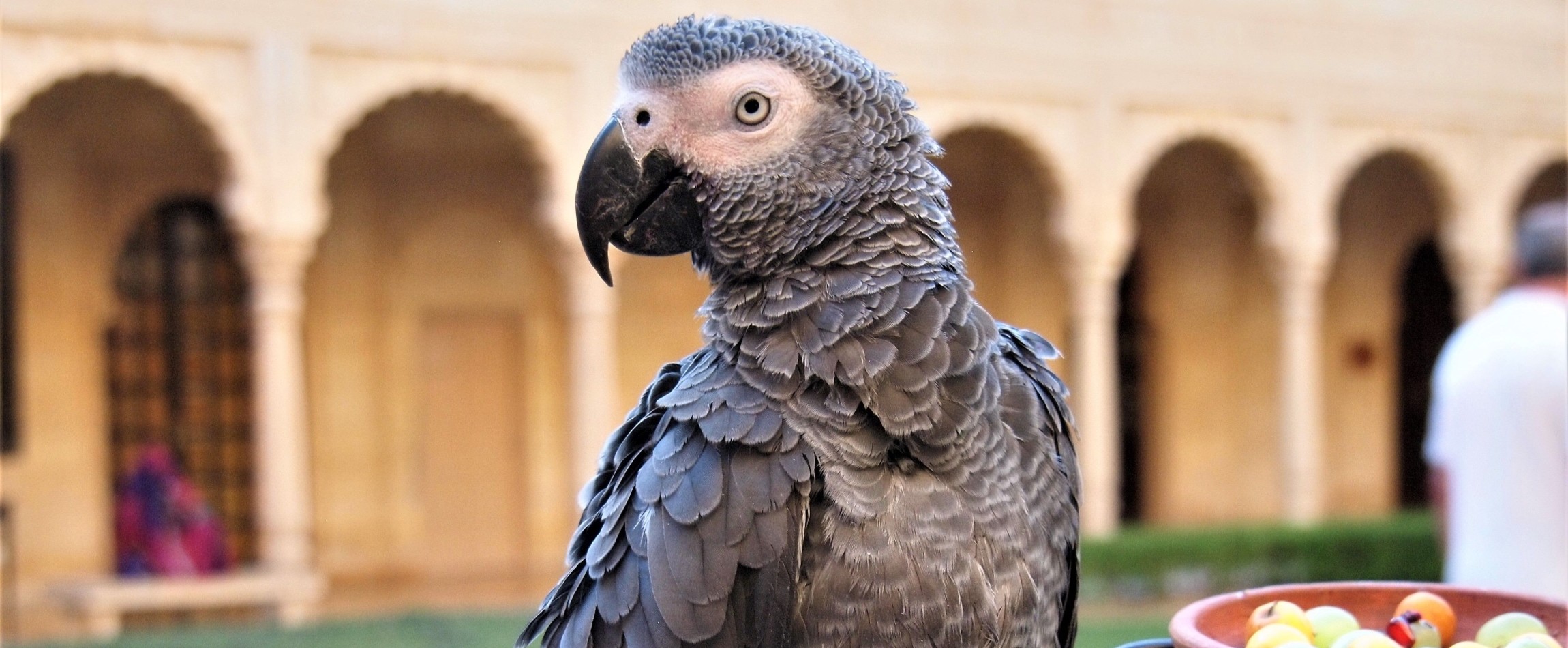
A September 25 analysis (published ~3 days ago) concluded that India's exotic pet trade has grown into a multi-million-dollar industry while its laws on disease control, invasive species and animal welfare have not kept up. The report highlights persistent legal gaps as demand grows, particularly for birds such as African grey parrots and for reptiles. Weak regulation raises risks for both invasive-species establishment and zoonotic disease.
Australia's crackdown: reptile trafficking tied to gold and money laundering
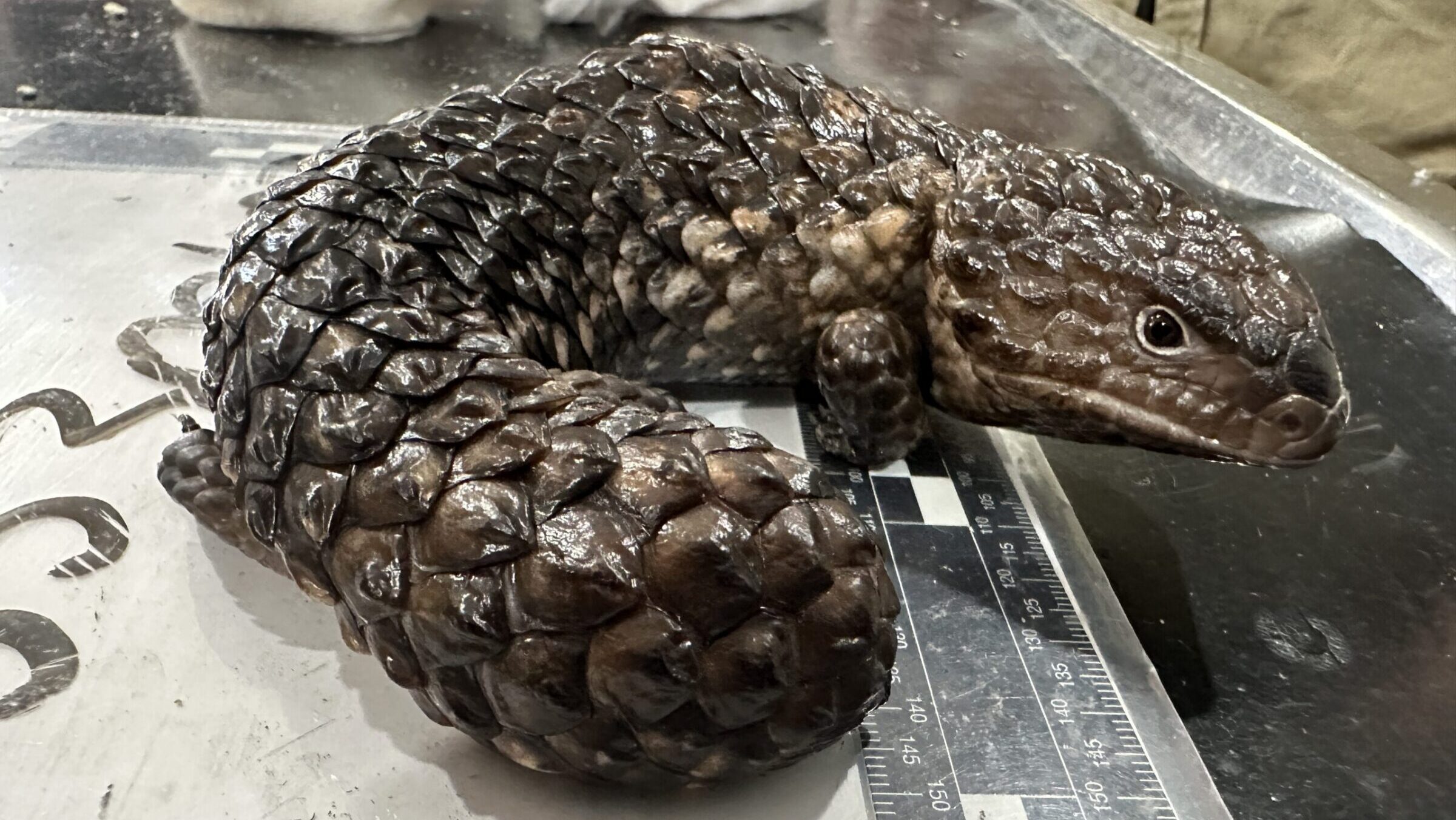
Mongabay reported (about 6 days ago) how Australian authorities are cracking down on wildlife trafficking driven by China's exotic pet market. In May 2026, Yang Zeng, a 28-year-old Chinese national unlawfully in Australia, was sentenced to two and a half years in prison after being convicted on nine charges related to the illegal export of native wildlife — including shingleback lizards — to Hong Kong, with payments made in gold and cash. The case underscores Australia's role as a major source country for high-value reptiles in international smuggling networks.
Abandoning exotic pets raises ecological concerns in India
Meghalaya Monitor reported (1 day ago) that India's exotic pet trade is seeing more non-native species abandoned or escaping, raising animal welfare and ecological invasiveness concerns. Escaped or released macaws and other non-native animals illustrate the downstream consequence of an under-regulated pet market: intentional import followed by inadvertent introduction into new environments.
US authorities struggle to police the expanding "exotic pet" definition
A piece published ~2 days ago examines how US Customs and Border Protection and USDA are coping when "exotic pets" are illegal pets. The term now covers essentially any non-standard species, including insects, most of which are illegal to import into the US — a large and growing market. Enforcement across such a broad category remains difficult, with imports slipping through inspection systems.
Local view
German media amplify Nature's EU positive-list appeal
The German site Wild beim Wild (about 1 week ago) highlighted the Nature commentary calling for an EU positive list against the exotic pet trade, noting that over 50 percent of traded reptiles are wild-caught and framing 2026 as a potential turning point for the hobby. This reflects ongoing German-language debate — from REPTILIA magazine to hobbyist forums — over EU-wide regulation of private wild-animal keeping.
Context & numbers
- Roughly 10–15% of alien species arriving in Europe eventually become invasive, and the EU's Invasive Alien Species Regulation bans intentionally keeping, breeding, transporting and importing listed invasive animals — though pets already owned may be kept for the remainder of their natural lives without a permit
- At the last major CITES conference (CoP20, Samarkand, December 2025), 12 of 51 proposals related to wild animals traded as pets, covering over 80 species including reptiles
- Recent precedent sentences: an Oxnard, California man received 5 years in prison for trafficking roughly 1,700 reptiles worth more than $739,000 into the US

On the radar
- EU positive-list pressure: With the German-language coverage framing 2026 as a potential "turning point," watch for further EU-level movement on a Union-wide positive list for pet animals
- Spain's positive-list decree: The Spanish government's decree establishing a general prohibition on exotic pets (public consultation opened earlier in 2026) will define exactly which species may legally be kept — a major shift for Spanish herp and parrot keepers to track
- Rescue outcomes: Eight Abronia lizards hatched after being seized in a San Ysidro smuggling case — a reminder that seizures often include pregnant animals, making rescue placement part of the enforcement pipeline
- Rumor, unconfirmed: Local Spanish-language outlets continue to report illegal holdings of reptiles over 2 kg under the animal welfare law; verified enforcement data for the past week was not available, so treat specific figures as unconfirmed
This content was collected, curated, and summarized entirely by AI — including how and what to gather. It may contain inaccuracies. Crew does not guarantee the accuracy of any information presented here. Always verify facts on your own before acting on them. Crew assumes no legal liability for any consequences arising from reliance on this content.
Powered by
