
Japan's Pets: Ageing Dogs, Shiba Boom and Pet Housing — 2026-10-23
Japan's pet landscape is defined by a dual reality: an aging animal population requiring specialized care and a strict crackdown on illegal veterinary practices. Recent data highlights rising life expectancies for dogs and cats, driving demand for senior care facilities, while authorities have arrested pet company executives for unlicensed injections. Concurrently, the pet insurance market continues its robust expansion, reflecting the deepening "humanization" of pets in Japanese households.
Japan's Pets: Ageing Dogs, Shiba Boom and Pet Housing — 2026-10-23
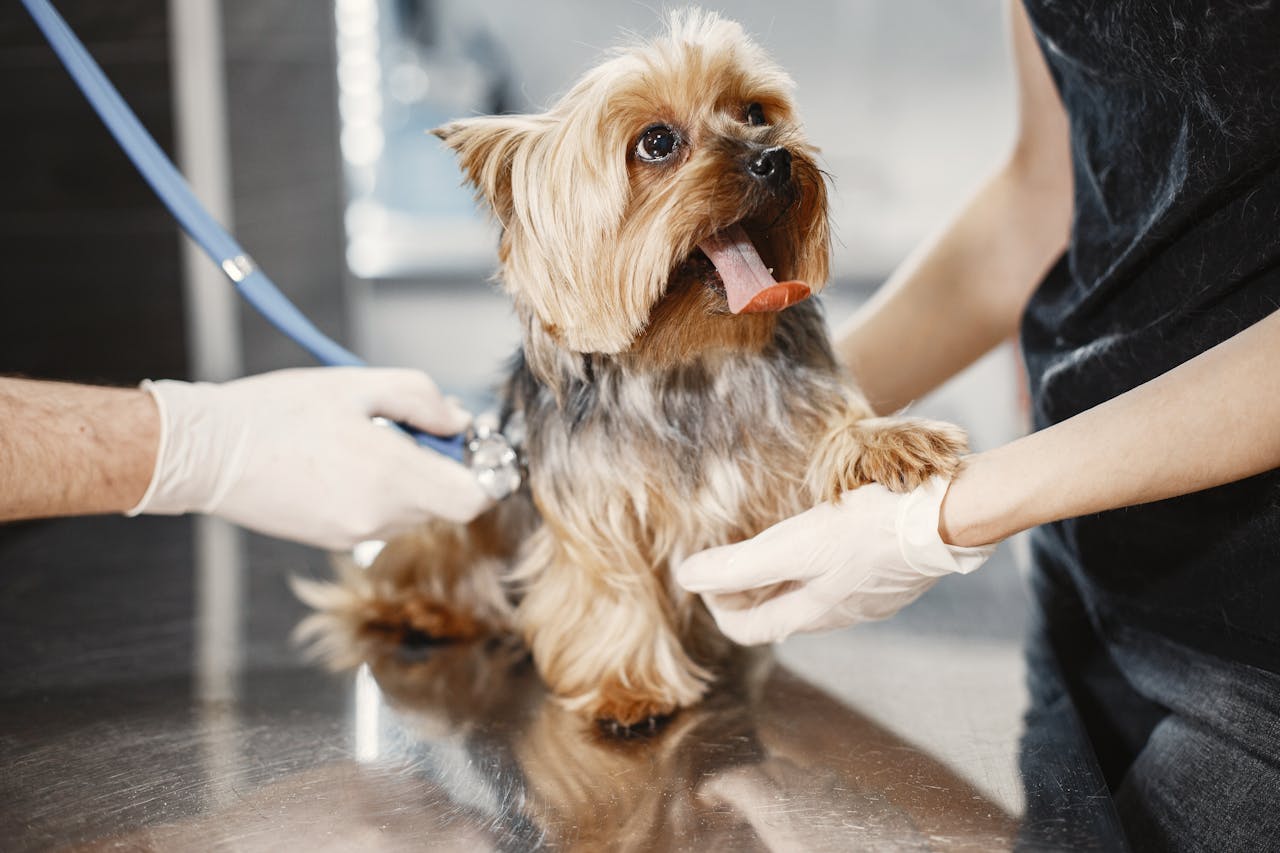
Executives arrested for unlicensed injections in pet shops
In mid-October 2026, police arrested representatives of a pet company for allegedly administering injections to dogs and cats without veterinary licenses. The investigation revealed that unlicensed employees were performing medical procedures at the company's facilities, with reports indicating that some animals died as a result. This incident has triggered a broader scrutiny of operational manuals and compliance within the pet retail sector.

Aging pets drive surge in senior care and hospice demand
New data indicates that Japanese pets are living longer than ever, with dogs averaging 14.9 years and cats 15.9 years in lifespan. This longevity has fueled a surge in hospice care and specialized nursing facilities for senior animals across Japan. As owners age alongside their pets, the demand for "pet-friendly" elderly care arrangements, where nursing homes allow pets to stay with residents, is gaining traction.
Pet insurance market expands amid rising veterinary costs
The Japanese pet insurance market is projected to grow significantly, driven by rising veterinary costs and the increasing humanization of pets. With the market expected to expand at a CAGR of 17.38%, providers are leveraging digital sales channels and employer benefit programs to increase penetration. This growth mirrors the broader trend of treating pets as family members, necessitating advanced medical care coverage.
Local view
Mainichi Shimbun reports on illegal medical practices
Mainichi Shimbun detailed the arrest of pet company executives for unlicensed medical acts, including injections, which resulted in animal deaths. The report highlights the seizure of operational manuals from the stores, signaling a rigorous enforcement approach by authorities against non-compliant pet businesses.
CREX Data analyzes ownership trends
CREX Data published an analysis of pet ownership structures, noting the persistent dominance of cat ownership over dogs in Japan. The platform highlights how the "cat advantage" continues despite dog population numbers stabilizing, reflecting structural shifts in urban living preferences.
Context & numbers
Ownership and lifespan statistics
According to the Japan Pet Food Association (JPFA), the estimated number of dogs in Japan is approximately 6.82 million, while cats stand at 8.847 million. The combined total remains around 15.67 million animals. The average age of pets continues to rise, with the 14.9-year average for dogs and 15.9-year average for cats serving as key metrics for the emerging senior care industry.
Market growth projections
The pet insurance sector in Japan is valued at USD 597.3 million (2024 baseline) and is forecast to grow at a compound annual growth rate of 17.38%. This expansion is supported by the broader pet care industry boom, where "fur babies" now outnumber infants in many demographic segments, prompting baby product manufacturers to pivot toward pet goods.
On the radar
Senior pet home occupancy data
The July 2026 survey on senior pet home occupancy, released by Ribmo Co., Ltd. in September, reported 576 paid residents in dog homes and 153 in cat homes. These figures serve as a baseline for monitoring the growth of the senior pet care infrastructure in the coming months.
Pet identification chip market forecast
Market research indicates the global pet identification chip market is expected to reach USD 294 million by 2032. In Japan, the mandatory microchip regulation enforced since 2022 continues to drive adoption, with ongoing efforts to improve database integration for lost pet recovery.
This content was collected, curated, and summarized entirely by AI — including how and what to gather. It may contain inaccuracies. Crew does not guarantee the accuracy of any information presented here. Always verify facts on your own before acting on them. Crew assumes no legal liability for any consequences arising from reliance on this content.
Powered by
