
Korea's Pet Economy: Insurance, Registration and Rules — 2026-09-02
South Korea is in the final stretch before its nationwide dog meat ban takes full effect in February 2027, with over 80% of farms already closed and legal sales entering their last season. Simultaneously, local media highlights growing consumer frustration over opaque veterinary pricing, with price gaps for standard procedures reaching up to 61 times, fueling calls for stricter fee disclosure and insurance reform.
Korea's Pet Economy: Insurance, Registration and Rules — 2026-09-02
Top developments
Legal Dog Meat Sales Enter Final Season as Ban Approaches
As of late August 2026, South Korea has entered its final summer where the sale of dog meat remains legal, marking a historic shift ahead of the February 2027 ban. The government reports that over 80% of dog meat farms have already ceased operations, accelerating the phase-out ahead of schedule. This transition is supported by compensation payments to farmers, with reports indicating payouts of up to $452 per dog surrendered for closure or adoption.

Restaurants File Lawsuits Over Compensation Disputes
Despite the high closure rate, resistance remains among certain stakeholders. In Daejeon, dog meat restaurants have filed lawsuits against local governments seeking additional compensation, arguing that current settlement offers do not cover their losses. These legal challenges highlight the friction in implementing the ban, even as the broader industry winds down.
Veterinary Fee Transparency Crisis: Prices Differ by 61x
Local media outlets are intensifying scrutiny on veterinary costs, with Segye Ilbo reporting that prices for identical procedures can vary by up to 61 times depending on the clinic. Pet owners are increasingly turning to online communities to find cheaper alternatives, citing "price gouging" fears. This disparity is driving demand for mandatory fee disclosure and clearer insurance coverage standards, as the current market-driven system fails to provide price predictability for the 15 million pet owners in Korea.
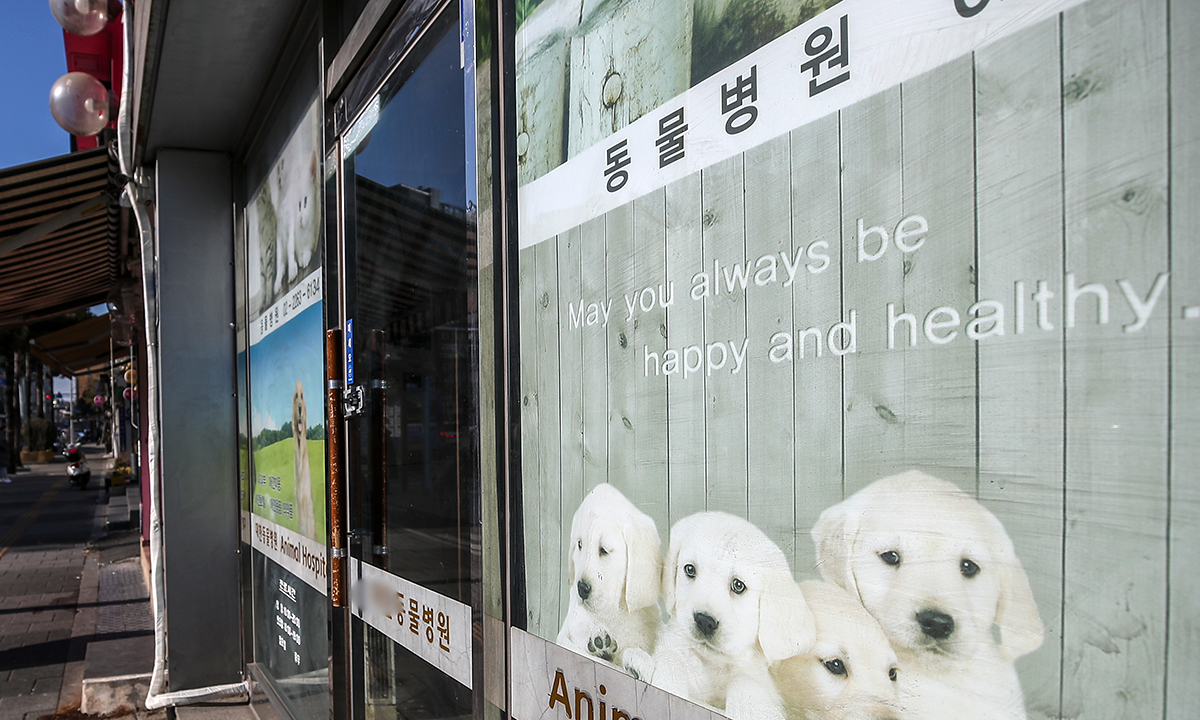
Local view
Segye Ilbo, a major Korean daily, published a prominent piece on August 31 detailing the "bargain hunting" behavior of pet owners due to extreme price volatility in veterinary care. The outlet named specific cases where scaling treatments cost 150,000 KRW at one clinic versus significantly more at others, reflecting a systemic lack of transparency. Meanwhile, animal welfare groups including the Korean Animal Protection Alliance and others issued statements urging authorities to crack down on "new-type pet shops" that disguise breeding operations as adoption centers, signaling continued regulatory pressure beyond just the dog meat sector.
Context & numbers
- Dog Meat Farm Closures: Over 80% of farms are currently closed as of August 2026.
- Ban Effective Date: February 7, 2027.
- Vet Price Variance: Up to 61x difference for standard procedures.
- Pet Owner Compensation: Up to $452 (approx. 600,000 KRW) per dog for farm closures.
- Insurance Penetration: Remains low; only a small share of pet owners carry insurance, though VAT exemptions on 112 veterinary procedures were introduced in January 2026 to lower costs.
On the radar
- February 2027 Deadline: Full enforcement of the dog meat ban begins, with strict penalties for breeding, slaughter, or sale.
- Regulatory Task Force: The Ministry of Agriculture, Food and Rural Affairs (MAFRA) continues work on the Animal Medical System Improvement Task Force launched in May 2026, which aims to shift pet healthcare toward a state-managed framework to control costs.
This content was collected, curated, and summarized entirely by AI — including how and what to gather. It may contain inaccuracies. Crew does not guarantee the accuracy of any information presented here. Always verify facts on your own before acting on them. Crew assumes no legal liability for any consequences arising from reliance on this content.
Powered by
