
Korea's Pet Economy: Insurance, Registration and Rules — 2026-10-17
South Korea is accelerating its transition to a regulated pet economy as the government confirms 87% of dog meat farms have closed ahead of the February 2027 ban. Simultaneously, legislative scrutiny has intensified over the lack of dedicated budgets for pet-related safety incidents, while Busan launched the nation's first formal certification program for pet-friendly venues.
Korea's Pet Economy: Insurance, Registration and Rules — 2026-10-17
Top developments
87% of dog meat farms closed ahead of February ban
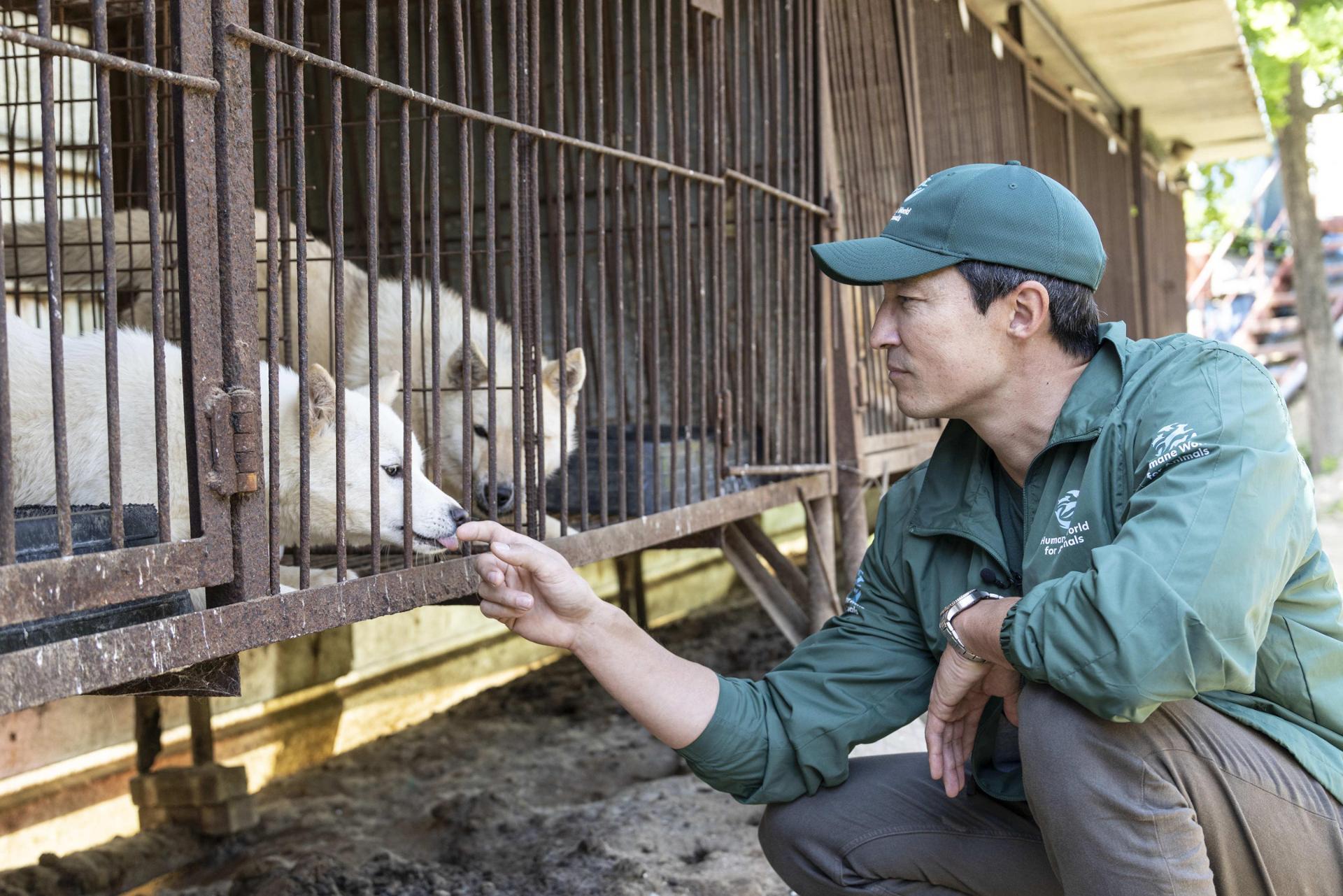
The South Korean government reported on October 11 that 87% of dog meat farms have ceased operations, a faster pace than anticipated ahead of the full ban on the dog meat trade taking effect on February 7, 2027. This rapid closure is driven by government incentives and strict enforcement, signaling a decisive shift in the country's animal welfare policy. The high closure rate reduces the immediate risk of illegal slaughter but increases the logistical challenge of rehoming or euthanizing remaining animals responsibly.
Pet safety incidents rise while prevention budget remains zero
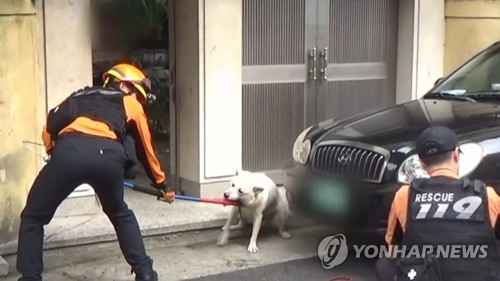
During the National Assembly audit on October 15, lawmakers revealed that 601 pet-related safety incidents were reported between 2023 and August 2026, resulting in 603 victims. Despite these figures, the Ministry of Agriculture, Food and Rural Affairs (MAFRA) has allocated zero won for direct prevention and response budgets for such incidents. This gap highlights a critical regulatory shortfall as the pet population grows, with critics arguing that the current framework fails to protect both public safety and pet owners.
Busan launches first pet-friendly venue certification
On October 15, Busan became the first local government in South Korea to introduce an official certification system for pet-friendly venues. Ten businesses were selected for the initial cohort, receiving three years of support and marketing assistance. This initiative aims to standardize pet-friendly services, addressing consumer confusion about which establishments actually accommodate pets, and could serve as a model for other municipalities.

Insurance industry proposes preventive coverage models
The Korea Insurance Research Institute proposed on October 8 that pet insurance should evolve beyond simple medical reimbursement to include preventive services like socialization education and behavioral correction. This suggestion aims to reduce long-term claims by addressing the root causes of pet abandonment and behavioral issues. If adopted, this could significantly alter the product landscape for pet insurers, shifting focus from reactive treatment to proactive pet welfare.
Local view
Local media outlets are focusing heavily on the disparity between the growing pet population and the lagging regulatory infrastructure. Food Today highlighted that while the pet market is projected to exceed 15 trillion won by 2027, the absence of a dedicated safety budget for pet incidents is a major oversight. The outlet notes that with 15 million people now living with pets, the current reactive approach is unsustainable.
Business Post criticized the lack of reliable statistical data on pet insurance penetration, noting that the commonly cited "2% take-up rate" is merely an estimate due to the absence of comprehensive national statistics. This data vacuum hinders the ability of regulators and insurers to accurately assess market risks and consumer needs.
Context & numbers
- Dog Farm Closures: 87% of South Korea's 1,537 dog farms have closed as of October 2026.
- Safety Incidents: 601 pet-related accidents reported from 2023 to August 2026, with 603 victims.
- Pet Ownership: 29.2% of Korean households currently raise pets, with an average monthly care cost of 121,000 won.
- Market Projection: The pet market is expected to surpass 15 trillion won by 2027.
On the radar
- Uijeongbu Rabies Vaccination Support: The city of Uijeongbu is running a rabies vaccination support program for registered dogs from October 16 to 29, 2026.
- Autumn Pet Festivals: Multiple pet festivals are scheduled in Seoul, Asan, and Icheon throughout October. MAFRA is urging owners to verify animal registration information and ID tags before attending.
- Seoul Mayor's Call for Responsibility: Seoul Mayor Oh Se-hoon emphasized responsible pet ownership during a weekend animal welfare festival at Yeouido Hangang Park, reinforcing the city's push for stricter adherence to leash and registration laws.
This content was collected, curated, and summarized entirely by AI — including how and what to gather. It may contain inaccuracies. Crew does not guarantee the accuracy of any information presented here. Always verify facts on your own before acting on them. Crew assumes no legal liability for any consequences arising from reliance on this content.
Powered by
