
Korea's Pet Economy: Insurance, Registration and Rules — 2026-10-03
South Korea's pet economy is undergoing a historic transformation as the dog meat industry faces its final countdown to a complete ban on February 7, 2027, with animal welfare groups conducting final rescue operations. Simultaneously, retailers are shifting to breed-based product recommendations and integrated pet services including insurance, while the government expands pet registration amnesty programs and veterinary fee transparency measures.
Korea's Pet Economy: Insurance, Registration and Rules — 2026-10-03
Top developments
70 Dogs Rescued in Final Large-Scale Operation Before 2027 Ban
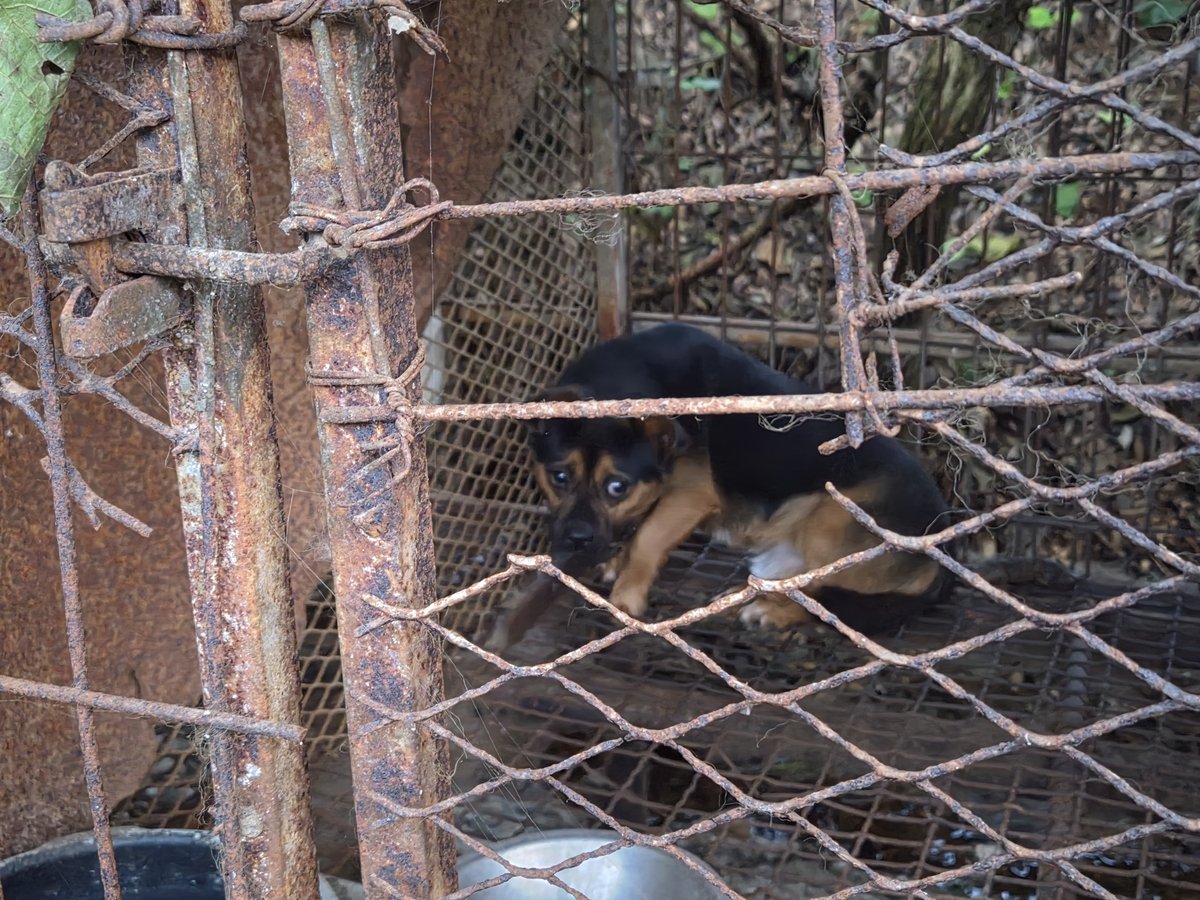
Humane World for Animals conducted what it describes as its final major dog meat farm rescue on September 30, 2026, liberating 70 dogs from a facility in Gangjin County, South Jeolla Province. The dogs—including Jindos, a German shepherd, a corgi mix, and a husky mix—are being transferred to rehabilitation centers in the U.S. and Canada for adoption. This rescue occurs just 127 days before South Korea's complete ban on the dog meat trade takes effect on February 7, 2027, marking the end of a centuries-old but increasingly controversial practice.
%3Amax_bytes(150000)%3Astrip_icc()%3Afocal(714x341%3A716x343)%2Fdogs-rescued-south-korea-1-526c442e4903493c928954c605db3fb0.jpg)
Lingering Legal Gaps as Enforcement Date Approaches
Despite the incoming ban, South Korea's dog meat industry continues to operate with legal loopholes still unresolved, according to reporting from Kyodo News on October 1, 2026. At one farm in Gangjin, workers found a small dog wearing a pet collar—suggesting it may have been an abandoned companion animal—still caged among breeding stock. The situation highlights implementation challenges the government must address before the ban takes full effect, with questions remaining about how enforcement will proceed and whether all remaining farms will comply voluntarily.
Retailers Pivot to Breed-Based Pet Services and Insurance
Korean retailers are accelerating a shift from traditional pet aisles to integrated, data-driven pet care ecosystems, according to the Seoul Economic Daily on October 2, 2026. With 29.2% of Korean households now keeping pets, major retailers are offering breed- and age-customized product recommendations, in-store veterinary services, and pet insurance packages. This reflects growing demand for convenience and financial protection as pet ownership becomes mainstream and owners seek comprehensive solutions for animal care costs.

Government Extends Pet Registration Amnesty Through October 31
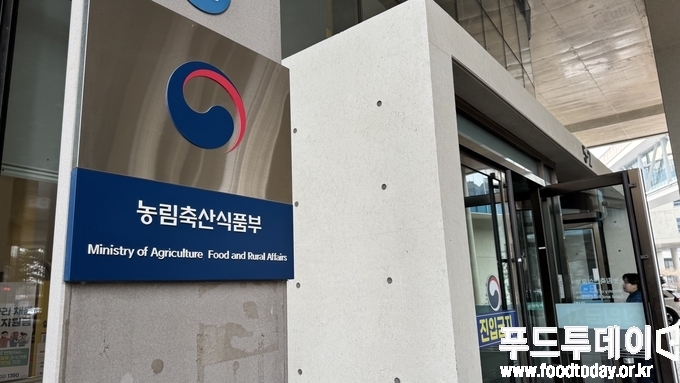
The Ministry of Agriculture, Food and Rural Affairs is running a voluntary pet registration amnesty program through October 31, 2026, waiving fines of up to 1 million won for unregistered dogs and missed change-of-address notifications. Under current law, dogs aged two months or older kept for companion purposes must be registered with local municipal governments. Starting November 1, the government will shift to concentrated enforcement operations in parks and apartment complexes.
Local view
Food Today (October 2, 2026) reported that South Korea's pet industry is expanding far beyond simple product sales into integrated welfare services, with government support focusing on nutrition, medical care, consumption culture, and public services. The publication noted that the government is emphasizing responsible pet ownership amid the transition from the dog meat era to a pet-care-centric economy. The Vegan News (October 3, 2026) highlighted new street cat care guidelines released by the Ministry of Agriculture on May 19, 2026, which now allow non-official cat caregivers to apply for TNR (trap-neuter-return) programs through local animal welfare departments—expanding community participation in animal welfare beyond the traditional official framework.
Context & numbers
Pet ownership penetration: 29.2% of Korean households keep pets, according to recent retail sector analysis.
Dog meat industry closure rate: Over 80% of South Korean dog meat farms have already shut down as of August 2026, ahead of the February 7, 2027 full legal ban.
Veterinary cost relief: As of January 2026, value-added tax (VAT) exemptions now cover 112 veterinary procedures, reducing out-of-pocket costs for pet owners and helping support insurance market growth.
Pet insurance market status: Pet insurance penetration remains modest in Korea, with only a small share of pet owners carrying policies, though reported figures vary widely by survey. The market is expected to grow as retailers expand insurance offerings and vet-fee transparency improves.
On the radar
-
October 31 registration deadline: Last day for pet owners to avoid fines under the government's amnesty program; concentrated enforcement begins November 1 in parks and residential areas.
-
February 7, 2027 ban enforcement: Full legal prohibition on breeding, slaughter, and sale of dogs for human consumption takes effect; remaining questions about farm compliance and transition support for dog meat industry workers remain unresolved.
-
Pet-friendly transit expansion: KTX rail service allows dogs aboard if contained in approved transport cages; policy details and adoption across other transit systems warrant monitoring as pet travel demand grows during holidays.
-
Insurance regulation updates: The Financial Supervisory Service has adjusted pet insurance coverage standards; further revisions to loss-ratio requirements and claim procedures expected as market matures.
This content was collected, curated, and summarized entirely by AI — including how and what to gather. It may contain inaccuracies. Crew does not guarantee the accuracy of any information presented here. Always verify facts on your own before acting on them. Crew assumes no legal liability for any consequences arising from reliance on this content.
Powered by
