
Pet Tech: Trackers, Cameras, Litter Robots and DNA Tests — 2026-10-27
New independent tests reveal significant performance differences in smart pet feeders and GPS trackers, with battery life emerging as a key differentiator. Meanwhile, the pet tech sector continues to attract venture capital, with recent funding rounds supporting grooming tech and pet food startups, while major retailers offer substantial discounts on automated litter boxes.
Pet Tech: Trackers, Cameras, Litter Robots and DNA Tests — 2026-10-27
Top developments
Smart feeder tests highlight battery and app reliability
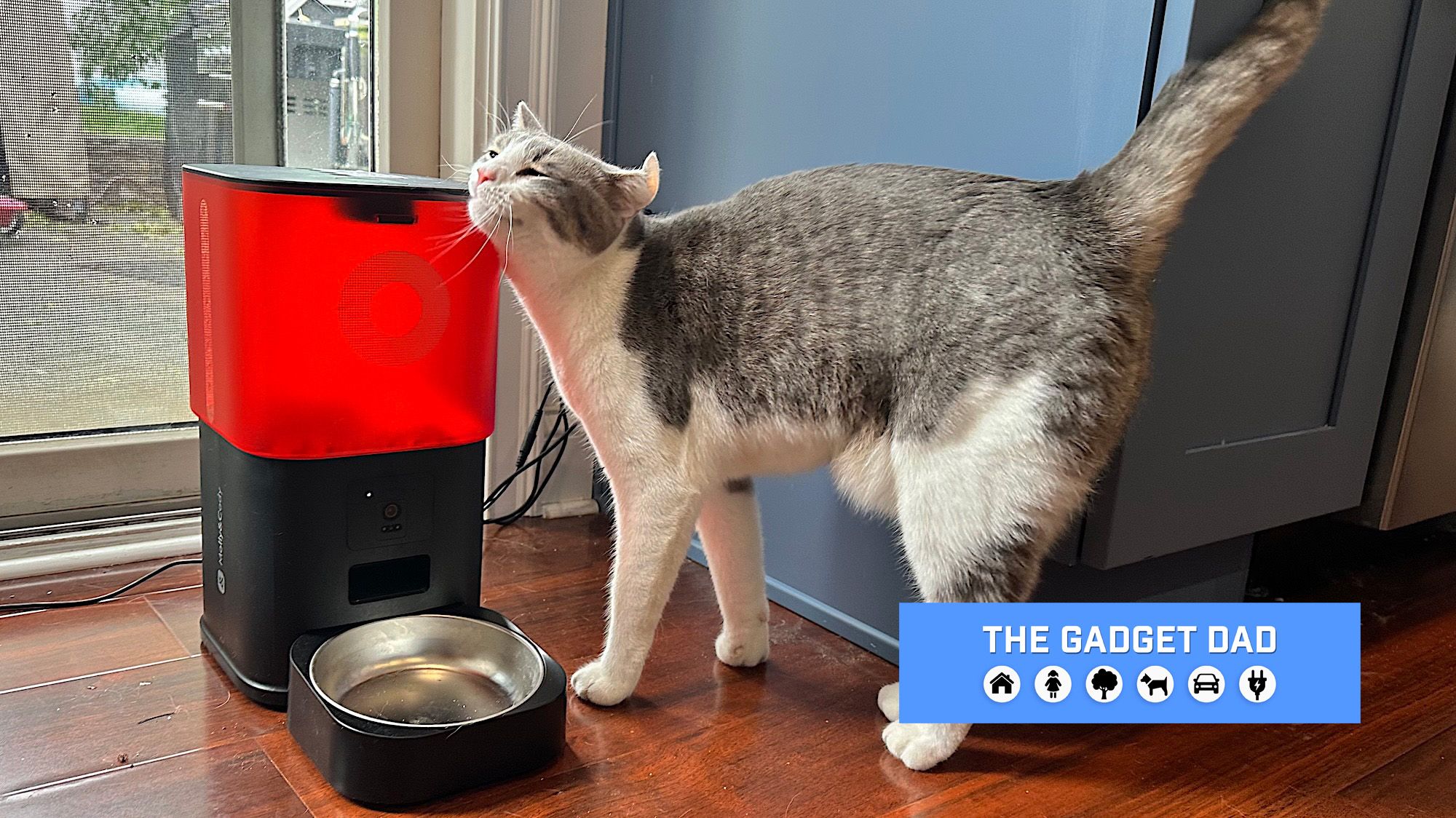
Recent hands-on testing of smart pet feeders has identified clear winners based on reliability and user experience. Tom's Guide recently published a comparison of two smart automatic cat feeders, noting that one model was preferred by both the tester and their pets for its consistency and ease of use. This follows a broader trend where manufacturers are competing on app stability and power backup features, crucial for owners who travel or work long hours.
GPS trackers prioritize battery life over size
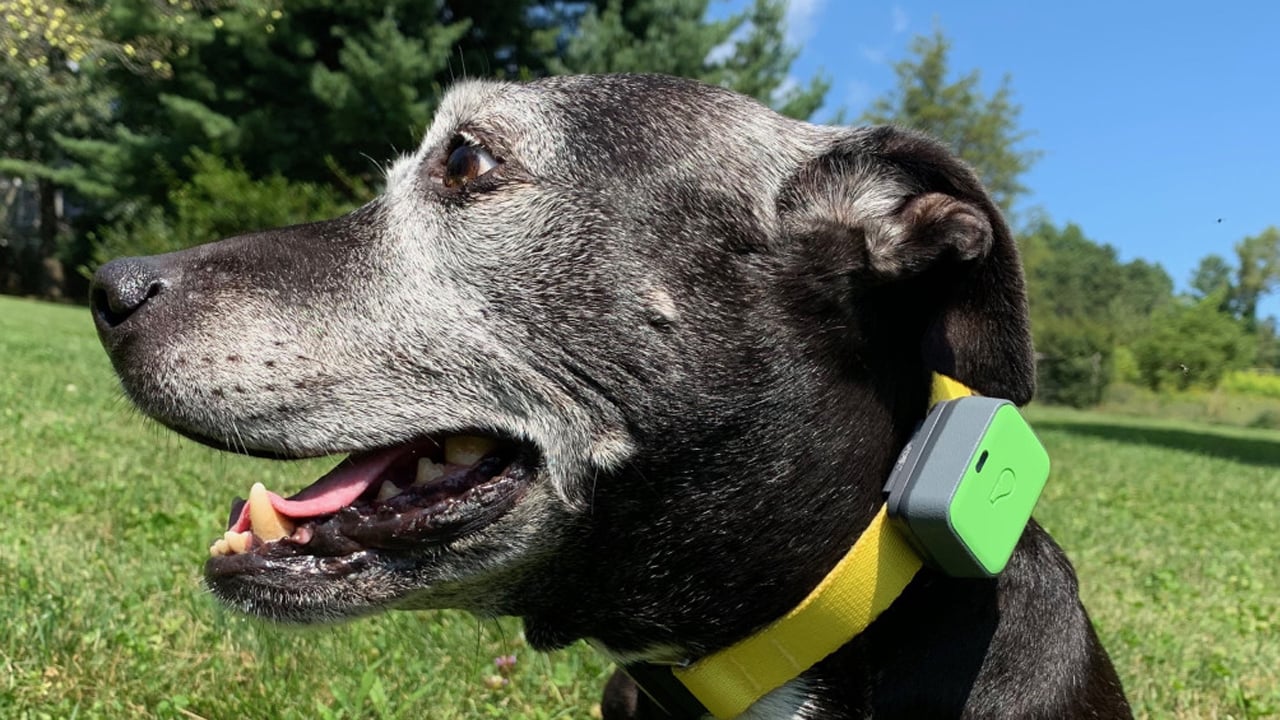
In the wearable sector, battery longevity is becoming the primary metric for consumer satisfaction. PCMag’s latest testing of pet trackers highlights the Fi Mini, which weighs only half an ounce but delivers over four weeks of battery life per charge. This durability addresses a common pain point for owners of active dogs and cats who need real-time escape alerts without frequent charging cycles.
Venture capital flows into pet care startups
The pet tech and services sector remains attractive to investors. GlobalPETS reports that recent funding rounds have supported companies like Sparkle Grooming, DASH Dog Food, and Elita. These investments are part of a broader expansion of support for early-stage startups, with accelerators and venture studios providing not just capital but also specialist guidance to help founders navigate the competitive pet market.

Litter robot discounts drive consumer adoption
For owners considering high-end automation, sales are making premium devices more accessible. Forbes Vetted notes that Litter-Robot coupons are currently offering discounts of up to $250 on select bundles. This pricing strategy is particularly relevant as more households adopt self-cleaning litter boxes to improve hygiene and reduce maintenance time.

Local view
Korean market focuses on hygiene and convenience
In South Korea, the pet tech market is seeing innovation in traditional pet care products. Ibabynews reports the launch of "Popomon" cat litter, which boasts a 96% coagulation rate for instant clumping. This product reflects a local trend toward high-performance hygiene solutions, with the media frequently covering new product releases that combine convenience with advanced material science.

Context & numbers
Wearable costs vary by subscription model
The total cost of ownership for pet wearables is a critical factor for buyers. PetsStoreHome’s buying guide highlights that while devices like Tractive start at $79, they require a monthly subscription of $5–$10. In contrast, subscription-free options like the PitPat Activity Monitor have a higher initial cost of $60 but lower long-term expenses, estimated at approximately $75 over five years when including battery replacements.
DNA test accuracy and pricing
Dog DNA tests remain a popular entry point into pet tech. Both Embark and Wisdom Panel are cited as having 99% accuracy in breed detection. Current market pricing shows Embark’s Breed + Health test with an MSRP of $199, though it is frequently discounted to $110–$159, while Wisdom Panel Premium retails around $159. Despite the price differences, both providers screen for over 350 breeds and 265+ genetic health conditions.
On the radar
- AI Companions: Gadget Review has highlighted 17 new pet tech gadgets that solve specific problems, including AI companions and hidden litter boxes, suggesting a shift toward more integrated, problem-solving devices.
- Trainer Perspectives: CNET reports that dog trainers are increasingly weighing in on the efficacy of pet tech, noting that while automation helps with feeding and tracking, traditional methods remain essential for complex behavioral issues.
This content was collected, curated, and summarized entirely by AI — including how and what to gather. It may contain inaccuracies. Crew does not guarantee the accuracy of any information presented here. Always verify facts on your own before acting on them. Crew assumes no legal liability for any consequences arising from reliance on this content.
Powered by
