
Shelters and Adoption: Rescue, No-Kill and Abandonment — 2026-10-09
This week, Mexico's Senate approved a new Animal Welfare Law featuring fines up to 56,000 pesos for neglect, while U.S. data revealed a concerning 67% euthanasia rate at PETA shelters in 2024. Meanwhile, Spain reported that adoptions have plummeted to five-year lows despite three years of welfare legislation, and German media highlighted the financial crisis facing local shelters due to rising veterinary costs.
Shelters and Adoption: Rescue, No-Kill and Abandonment — 2026-10-09
Top developments
Mexico Senate approves new Animal Welfare Law with steep fines
On October 6, 2026, the Mexican Senate approved the new "Law of Welfare, Care and Protection of Animals," which recognizes animals as sentient beings and subjects them to legal protection. The legislation includes fines of up to 56,000 pesos for owners who fail to provide adequate care for dogs and cats, aiming to curb abandonment and mistreatment. This move is part of a broader administrative effort by Semarnat to strengthen animal rights frameworks during the current administration.

PETA faces scrutiny over high euthanasia rates
A Snopes fact-check published on October 7, 2026, confirmed data showing that PETA euthanized 67% of the animals it took in during 2024. The organization attributed this high rate to its role as the last shelter in many areas offering "free end-of-life services," arguing it accepts animals that other facilities refuse. This statistic has reignited debates about no-kill policies and the operational realities of large-scale rescue organizations versus municipal shelters.

Spain’s adoptions drop to five-year low despite welfare laws
Recent reports from October 8, 2026, indicate that dog and cat adoptions in Spain have fallen to their lowest levels in five years, coinciding with the third anniversary of the country’s Animal Welfare Law. Data from Affinity shows that while abandonment rates have not decreased significantly, fewer animals are being rehomed, creating a bottleneck in shelters. Critics argue that the law may have inadvertently discouraged adoptions or failed to address the root causes of owner surrenders.
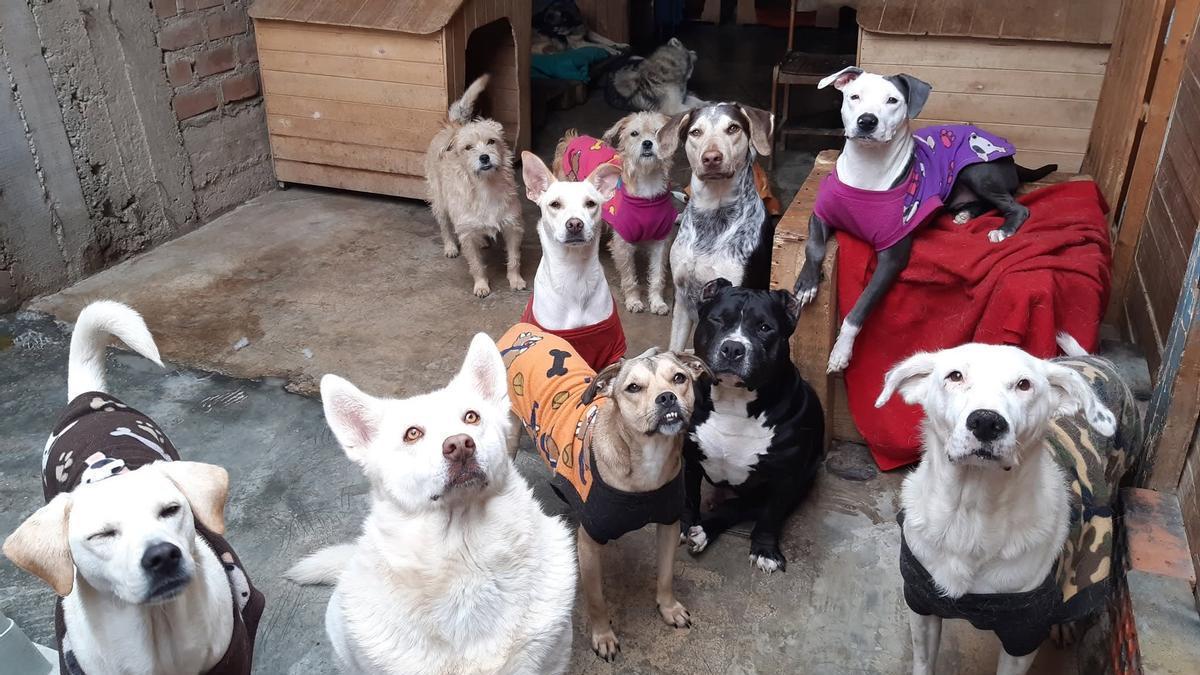
German shelters face financial crisis due to vet costs
In Germany, local media reports from early October 2026 highlight that animal shelters are financially strained by skyrocketing veterinary costs. A case study from Bavaria detailed how treating a single cat with "Kippfenster-Syndrom" (window-flipping syndrome) cost a small municipality €10,000. The German Animal Protection Federation (Deutscher Tierschutzbund) is increasingly demanding federal support, warning that many shelters are at their limit due to inflation and reduced donations.

Local view
- Mexico: La Jornada and Expansión report that the new law passed with 115 votes in favor, emphasizing mandatory dignified care and penalties for abuse. Organizations warn that modifications to the bill could weaken protections if not carefully monitored in the Chamber of Deputies.
- Spain: Mundo Deportivo highlights the "Dogfy Run" in Valencia, an event mobilizing citizen support as shelters struggle with over 285,000 collected animals in 2025. The narrative focuses on structural abandonment rather than temporary seasonal spikes.
Context & numbers
- U.S. Intake Data: Shelter Animals Count released mid-year 2026 data on October 5, reporting 3.7 million animals entered care in the first half of the year. Cat adoptions reached 1 million, but overall capacity remains tight.
- PETA Statistics: 67% of animals taken in by PETA in 2024 were euthanized, a figure that contrasts sharply with the national U.S. euthanasia rate of approximately 8% in 2025.
- Spanish Abandonment: In 2025, Spanish shelters collected more than 285,720 dogs and cats, equivalent to 33 animals per hour.
On the radar
- Mexico Legislative Review: The new Animal Welfare Law moves to the Chamber of Deputies; activists are watching for amendments that might dilute the proposed 56,000-peso fines.
- German Funding Debate: The Deutscher Tierschutzbund continues to push for a special fund ("Sondervermögen") for shelters, citing the inability of municipalities to cover rising medical costs.
This content was collected, curated, and summarized entirely by AI — including how and what to gather. It may contain inaccuracies. Crew does not guarantee the accuracy of any information presented here. Always verify facts on your own before acting on them. Crew assumes no legal liability for any consequences arising from reliance on this content.
Powered by
