
Vet Medicine: Longevity Pills, Vet Shortages and Bills — 2026-09-10
Private equity consolidation of veterinary practices is accelerating, with new reports highlighting the impact on costs and care quality in the US and UK. Meanwhile, regulatory scrutiny intensifies in South Korea as complaints against vet clinics triple, and Germany faces a workforce crunch driven by fee disputes.
Vet Medicine: Longevity Pills, Vet Shortages and Bills — 2026-09-10
Top developments
Private Equity Consolidation Raises Care Concerns in Pittsburgh
A recent investigation by PublicSource reveals that private equity firms are aggressively buying veterinary practices in Pittsburgh and nationally. The report notes that vet care costs have far outpaced inflation over the last decade, raising questions about whether profit incentives are impacting the quality of care provided to pets. This aligns with broader concerns about corporate ownership obscuring transparency for pet owners.

South Korean Vet Complaints Triple, Few Resolved
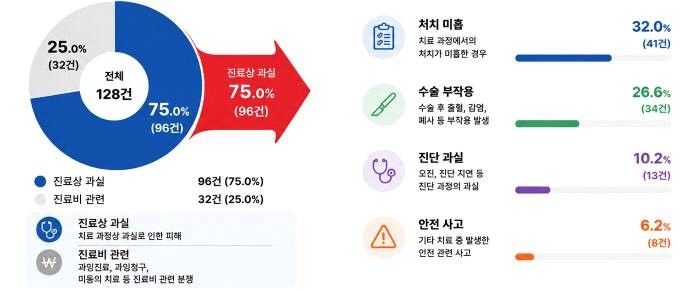
Data released by the Korea Consumer Agency on September 9, 2026, shows that redress claims against veterinary clinics in South Korea have tripled over the past four years. Despite the surge in complaints, only 26.4% of cases ended in compensation or refunds, indicating a significant gap between consumer dissatisfaction and regulatory resolution. This highlights growing tension between pet owners and clinics regarding service standards and billing practices.
German Fee Disputes Worsen Vet Shortage
In Germany, disputes over the "Gebührenordnung für Tierärzte" (GOT), the official fee schedule for veterinarians, are exacerbating an existing shortage of vets in private practices. Local media reports from September 2026 indicate that the conflict over fee rates is making recruitment difficult, forcing dog owners to face longer wait times and potential care gaps. The issue is particularly acute in emergency services where fee structures are contested.
Local view
Germany: The debate over the GOT (fee schedule) continues to dominate local veterinary news. Stakeholders argue that rigid fee structures fail to account for rising operational costs, leading to financial strain on clinics and contributing to the workforce crisis.
South Korea: The Korea Consumer Agency’s data has sparked public discussion about consumer protection in the pet industry. Media outlets are calling for stricter oversight of veterinary clinics to address the high volume of unresolved complaints.
Context & numbers
- Global Market Growth: The global Veterinary Services Market is projected to reach US$ 261.1 billion by 2033, growing at a CAGR of 8.3%. This expansion is driven by increased pet ownership, livestock healthcare requirements, and greater awareness of animal wellness.
- Pet Insurance Rankings: Money magazine’s September 2026 rankings identify Spot, AKC, Nationwide, Pumpkin, Figo, Embrace, Pets Best, and MetLife as the top pet insurance providers, reflecting ongoing competition in the sector.

On the radar
- UK Regulatory Changes: The Competition and Markets Authority (CMA) changes regarding vet ownership rules are under scrutiny by critics who argue they allow multinationals to obscure their stake in practices, potentially reducing price transparency for owners.
- Workforce Reports: The "2026 State of the Veterinary Workforce Report" by VetBridge USA, published in July but gaining traction, provides new data on burnout and international hiring channels, which may influence upcoming policy discussions on visa pathways for vets.
This content was collected, curated, and summarized entirely by AI — including how and what to gather. It may contain inaccuracies. Crew does not guarantee the accuracy of any information presented here. Always verify facts on your own before acting on them. Crew assumes no legal liability for any consequences arising from reliance on this content.
Powered by
