
Vet Medicine: Longevity Pills, Vet Shortages and Bills — 2026-10-17
A landmark clinical trial for a dog longevity drug has reached its enrollment goal of 1,000 participants, marking a significant step toward FDA approval for lifespan-extension medications. Meanwhile, new industry reports highlight a persistent gap in pet insurance coverage despite rising costs, while private equity consolidation continues to drive up veterinary bills.
Vet Medicine: Longevity Pills, Vet Shortages and Bills — 2026-10-17
Top developments
Loyal’s STAY Study Reaches Enrollment Goal for Longevity Drug
Loyal, a biotech company focused on canine longevity, announced that its STAY clinical trial for LOY-002.3 has successfully met its goal of enrolling 1,000 dogs. This milestone follows the FDA’s Center for Veterinary Medicine (CVM) acceptance of the Reasonable Expectation of Effectiveness (RXE) section of the conditional approval application in February 2025. The study, which is the largest veterinary trial in history, uses clinical trial-naïve sites to gather robust data on the drug's ability to extend healthy lifespan in dogs. This development brings the first-ever FDA-approved dog longevity pill closer to reality, potentially changing how pet owners approach preventive care for aging dogs.
Pet Insurance Enrollment Rises, But 95% Remain Uninsured
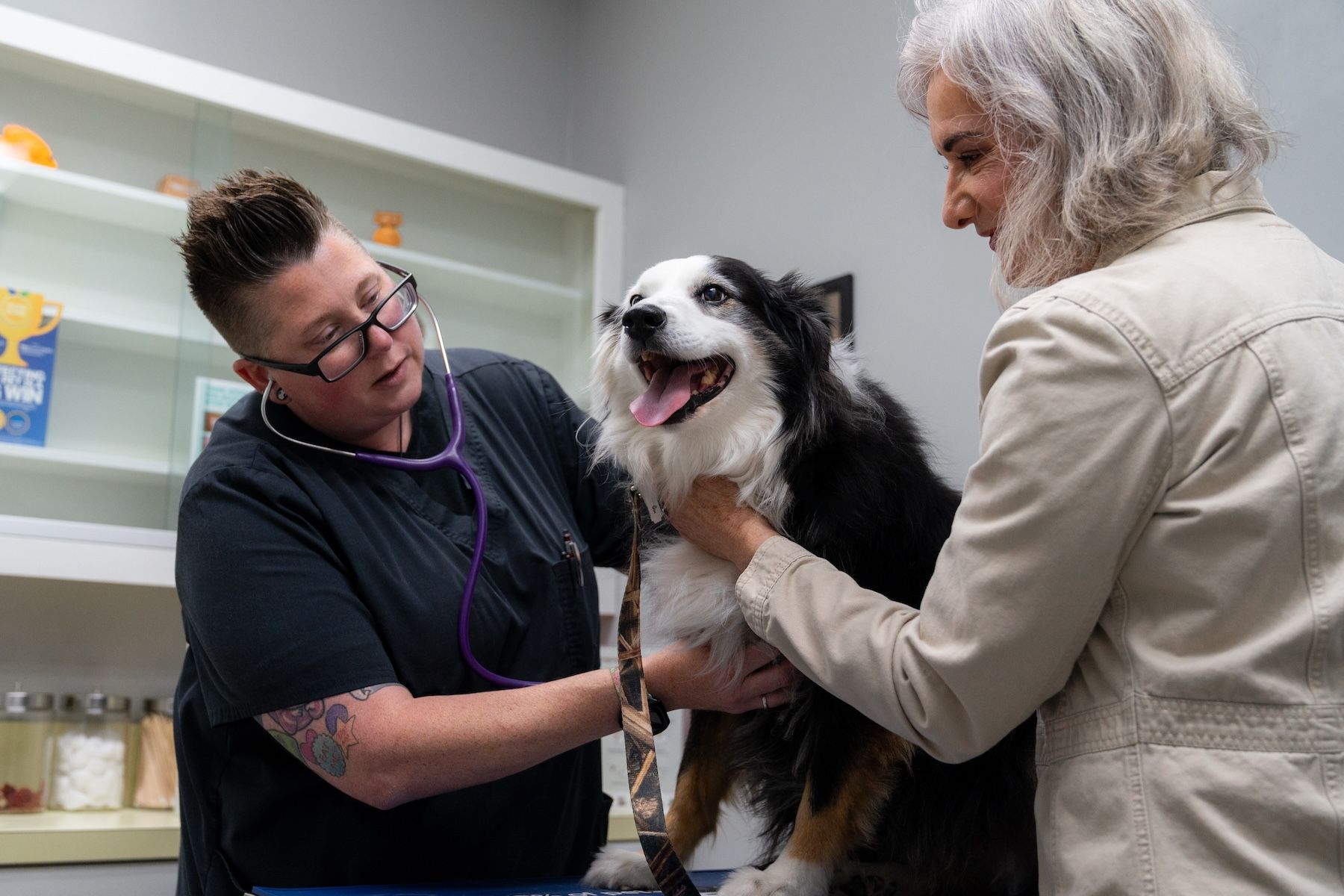
A new report from the North American Pet Health Insurance Association (NAPHIA) reveals that US pet insurance enrollment increased by 9% in 2025. Despite this growth, more than 95% of cats and dogs remain uninsured, highlighting a significant vulnerability as veterinary costs continue to rise. The most common claims are for gastrointestinal issues, ear infections, and skin diseases. This data underscores the financial risk for pet owners who do not have coverage, as even routine conditions can lead to substantial out-of-pocket expenses.

Private Equity and Corporate Consolidation Driving Up Costs
Investigation by Vox highlights how private equity firms, including those behind major consumer brands like Skittles, are influencing the veterinary care market. The report suggests that corporate consolidation is a key factor in making pet ownership more expensive, as these chains often prioritize profitability over accessible care. This trend contributes to the rising costs that force many families to choose between essential care and other household expenses.

Veterinary Care is a Last Resort for Cost Cutting
A recent survey by dvm360 indicates that consumers view veterinary care as one of the last areas where they would cut spending, even amidst housing costs and surprise bills. However, the reality of rising prices means that many owners are still struggling to afford necessary treatments. This sentiment clashes with the financial pressures that lead to deferred care and higher costs in the long run.

Local view
No recent local-language media coverage available for this period.
Context & numbers
- Insurance Gap: 95% of US cats and dogs remain uninsured despite a 9% increase in enrollment in 2025.
- Trial Size: The STAY study for dog longevity drug LOY-002.3 has enrolled 1,000 dogs.
- Market Growth: The canine orthopedic implants market is forecast to grow through 2035, driven by rising pet insurance penetration and demand for advanced surgical procedures.
On the radar
- Specialty Pharmacy Gaps: Reports are emerging about the challenges pet owners face with commercial medications that cats and dogs refuse to take, highlighting the growing need for specialty compounding.
- Antibiotics Market: The veterinary antibiotics market is projected to reach $3.5 billion by 2030, growing at an 8.4% CAGR, driven by innovations in treatment methods.
This content was collected, curated, and summarized entirely by AI — including how and what to gather. It may contain inaccuracies. Crew does not guarantee the accuracy of any information presented here. Always verify facts on your own before acting on them. Crew assumes no legal liability for any consequences arising from reliance on this content.
Powered by
