
Vet Medicine: Longevity Pills, Vet Shortages and Bills — 2026-09-09
Veterinary costs continue to squeeze pet owners, with a new Denver Post report highlighting how rising bills force difficult care decisions. Meanwhile, the FDA has advanced Loyal’s lifespan-extension drug LOY-002 through safety reviews, marking a significant step toward canine longevity treatments. In South Korea, consumer complaints against vet clinics have tripled in four years, signaling growing dissatisfaction with service quality and pricing.
Vet Medicine: Longevity Pills, Vet Shortages and Bills — 2026-09-09
Top developments
Rising vet costs force Colorado owners to delay care
A report published on September 7, 2026, by The Denver Post details how unexpected veterinary bills are causing pet owners in Colorado to postpone necessary medical treatments. The investigation highlights that while routine care remains essential, emergency procedures and complex diagnostics have become prohibitively expensive for many families. This trend contributes to a broader national concern about the affordability of pet healthcare, as owners struggle to balance budgets with their pets' health needs.

FDA advances Loyal’s dog longevity drug LOY-002
The FDA’s Center for Veterinary Medicine (CVM) has accepted the Target Animal Safety technical section of the conditional approval application for LOY-002, a drug developed by Loyal to extend the healthy lifespan of senior dogs. This milestone, reported in early 2026 but central to current industry monitoring, follows the successful enrollment of 1,000 dogs in the STAY clinical trial across 70 US clinics. The acceptance signifies regulatory progress toward what could be the first approved medication specifically designed for canine lifespan extension.

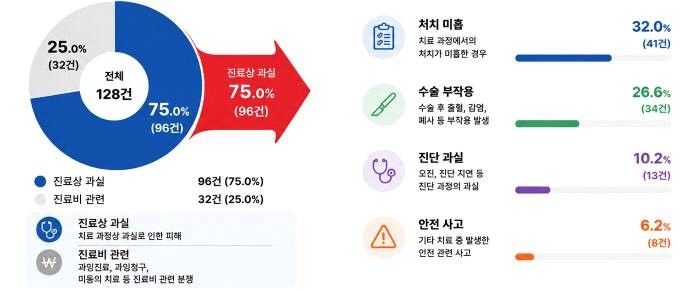
South Korean vet clinic complaints triple in four years
Data released on September 9, 2026, by the Korea Consumer Agency reveals that redress claims against veterinary clinics in South Korea have tripled over the past four years. Despite this surge, only 26.4% of cases resulted in compensation or refunds, indicating systemic issues in dispute resolution. This trend reflects global pressures on veterinary services, where increased demand and operational costs may be outpacing service quality and consumer protection mechanisms.
Global vet services market projected to hit $261B
A market analysis published on September 9, 2026, by Persistence Market Research projects the global veterinary services market will reach $261.1 billion by 2033, growing at a CAGR of 8.3%. The growth is driven by rising pet ownership, increased awareness of animal wellness, and advancements in preventive care. This expansion underscores the economic significance of the sector but also highlights the challenge of scaling workforce capacity to meet demand.
Local view
In Germany, ZDFheute reported on September 5, 2026, that rising costs for vets, food, and insurance are turning pets into "luxury goods" for many households. The article notes that financial pressure is leading some owners to reconsider pet ownership or seek cheaper alternatives, reflecting a European-wide sentiment similar to the US findings.
Context & numbers
The average cost of pet insurance in the US ranges from $29 to $135 monthly, varying significantly by coverage type, breed, and location. Routine veterinary care typically costs $300-$500 annually, while emergency surgeries can exceed $2,000-$5,000. Only about 20% of pet owners can afford a $5,000 emergency bill without financial hardship.
On the radar
The SPVS (Small Animal Practice Veterinary Society) salary survey for 2026 is currently open, inviting veterinary professionals to provide data on compensation and benefits. Results are expected to inform future discussions on vet shortages and wage equity.
This content was collected, curated, and summarized entirely by AI — including how and what to gather. It may contain inaccuracies. Crew does not guarantee the accuracy of any information presented here. Always verify facts on your own before acting on them. Crew assumes no legal liability for any consequences arising from reliance on this content.
Powered by
