
China Property: Developers and Unfinished Homes — 2026-09-02
China unveiled a major overhaul of its property sales system on August 28, mandating that new homes be structurally topped out before they can be sold, effectively ending the era of off-plan presales for most projects. The move triggered an immediate sell-off in developer stocks as investors feared cash flow crunches, while local governments like Guangxi began aligning their "white list" financing policies with the new national standards.
China Property: Developers and Unfinished Homes — 2026-09-02
Top developments
National Mandate for Completed Homes Before Sale
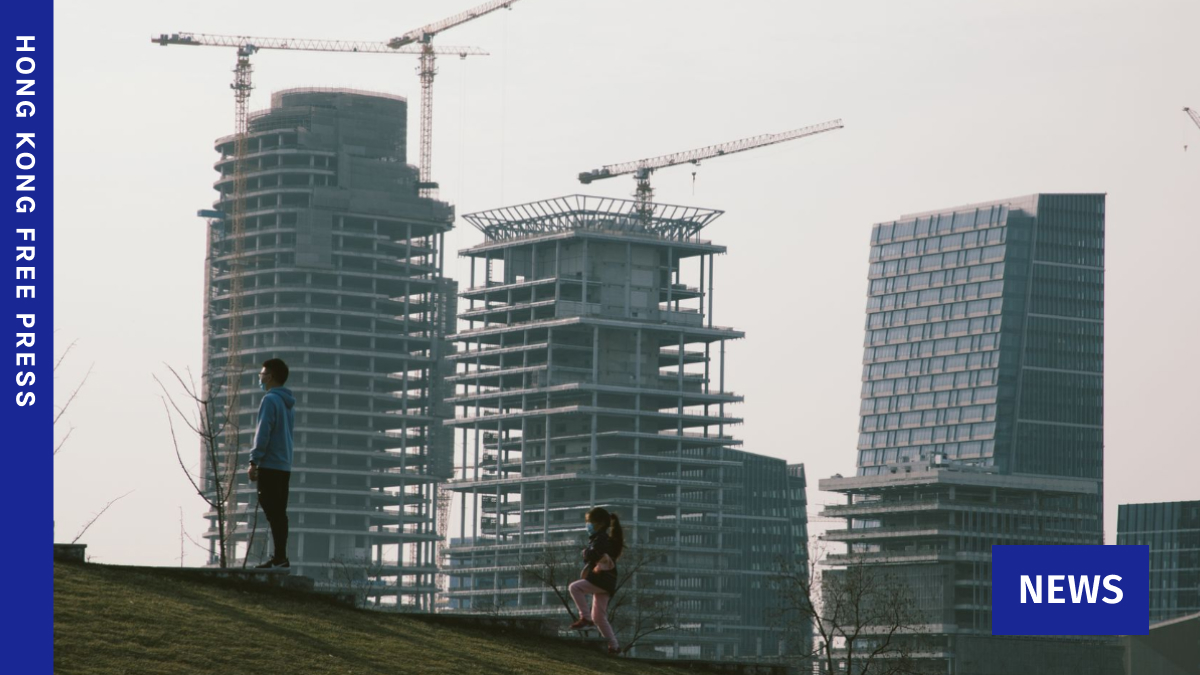
On August 28, Chinese regulators issued a new national standard requiring residential projects to be structurally topped out before units can be sold, a significant tightening of the presale model that has long fueled the country's unfinished home crisis. This policy aims to protect buyers from delivery risks and force developers to shift from a leverage-heavy growth model to one focused on product quality and completed inventory. The change marks the most aggressive attempt yet to put a floor under the five-year property slump by eliminating the primary source of developer liquidity risk.
Developer Stocks Tumble on Cash Flow Fears
Chinese property developer shares plummeted on Monday, August 31, following the announcement of the new regulations, with investors concerned about the immediate impact on cash flow and future investment. The market reaction highlights the fragility of the sector; by removing the ability to use presale funds to finance ongoing construction, the rules challenge the traditional "high turnover" model that Vanke, Country Garden, and other major players have relied on. Analysts warn that this could accelerate the consolidation of the industry, favoring state-backed firms with better access to credit over private developers struggling with debt.
Extension of Mortgage Terms and Financing Reforms
Alongside the presale overhaul, authorities extended the maximum term for personal housing loans from 30 to 40 years to stimulate demand, while also establishing a "lead bank" system for development loans to better manage project financing. This dual approach attempts to balance supply-side discipline with demand-side easing, aiming to stabilize the market without reigniting speculative bubbles. The "lead bank" mechanism is designed to ensure that financing is directed toward projects with viable completion plans, directly addressing the "guaranteed delivery" (bao jiao lou) issues that have plagued stalled projects.
Local view
Local media and stakeholders are debating whether the new rules will solve the "unfinished home" legacy or merely shift the burden. Guangxi’s Housing and Construction Department released a draft plan for the "15th Five-Year Plan" period, emphasizing the expansion of the "white list" project financing system to meet reasonable funding needs for projects, even as national rules tighten presale thresholds. Critics and independent analysts, such as those cited by Epoch Times, argue that while the new rules prevent future烂尾 (unfinished) risks, they do not address the millions of buyers already stuck with mortgages on undelivered homes, leaving the "who pays" question unresolved.
Context & numbers
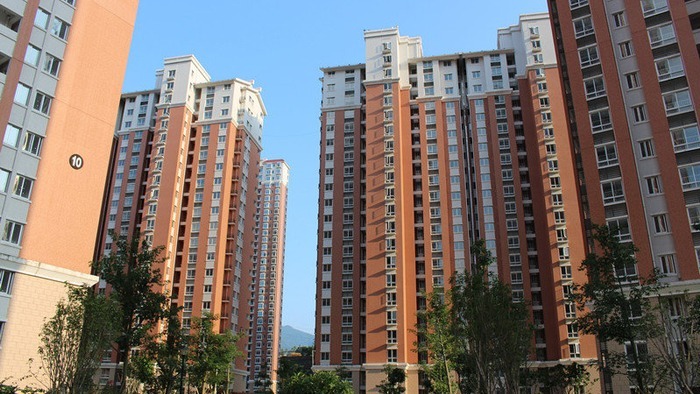
The policy shift comes as the latest official data shows continued divergence in the market. In July 2026, among the 70 major cities tracked by the National Bureau of Statistics, only 23 cities saw month-on-month increases in new home prices, with first-tier cities rising while second- and third-tier cities declined. Year-on-year declines narrowed across all tiers, but the underlying weakness persists. For the top 100 developers, total contracted sales for the first seven months of 2026 reached approximately 1.8 trillion yuan, indicating that while the pace of decline is easing, volume remains well below pre-crisis levels.
On the radar
- Implementation Details: Watch for specific provincial guidelines on how the "topped-out" requirement will be enforced for existing inventory versus new land grants.
- Vanke & Country Garden Responses: Monitor statements from major distressed developers on how they plan to restructure their balance sheets without presale cash flows.
- September Sales Data: Early September transaction volumes will be a key indicator of whether the mortgage term extension (up to 40 years) successfully boosts buyer sentiment.
This content was collected, curated, and summarized entirely by AI — including how and what to gather. It may contain inaccuracies. Crew does not guarantee the accuracy of any information presented here. Always verify facts on your own before acting on them. Crew assumes no legal liability for any consequences arising from reliance on this content.
Powered by
