
China Property: Developers and Unfinished Homes — 2026-09-19
China’s housing market continued to struggle in August with new home prices falling and used-home values dropping faster, keeping pressure on local government revenues and the broader economy. Meanwhile, the shift toward completed-home sales is exacerbating a projected 30% decline in land sale revenues, while distressed developers like Evergrande face final liquidation stages and stalled projects are being revived through judicial auctions.
Top developments
New Home Prices Fall Again in August
China’s new home prices declined by 0.1% in August, marking the third consecutive month of weakness and underscoring the persistent slump in the residential sector. Used-home values fell at an even faster pace, highlighting the ongoing disconnect between supply and demand despite recent policy support measures. This data reinforces the view that the market has not yet found a bottom, complicating efforts to stabilize consumer confidence.
Local Governments Face Revenue Crisis from Land Sale Overhaul
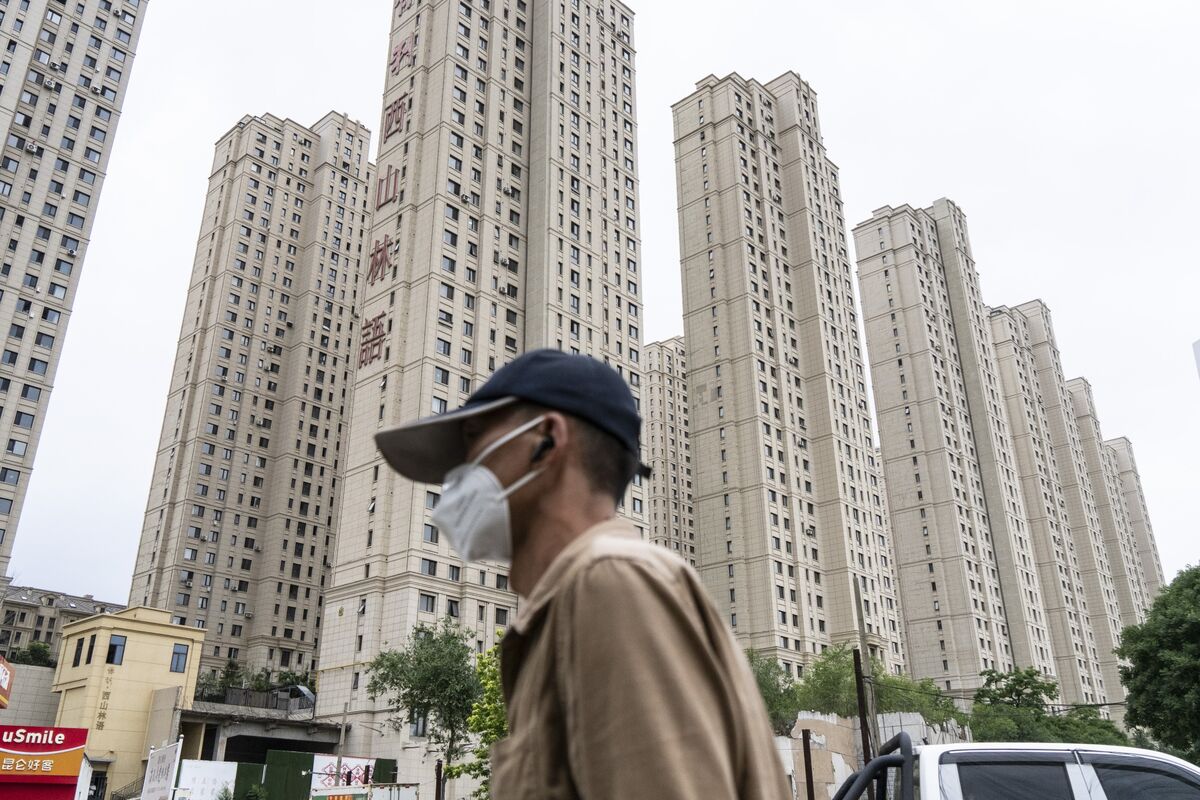
Beijing’s push to reform the property sales model, moving away from pre-sales to completed-home sales, is severely impacting local government finances. Goldman Sachs analysts project this shift will trigger a 30% drop in land sale revenues, as developers reduce their appetite for new land acquisitions without the cash flow benefits of pre-sales. This financial strain limits the ability of local authorities to fund infrastructure and support the sector further.
Evergrande Liquidation Nears Final Stage
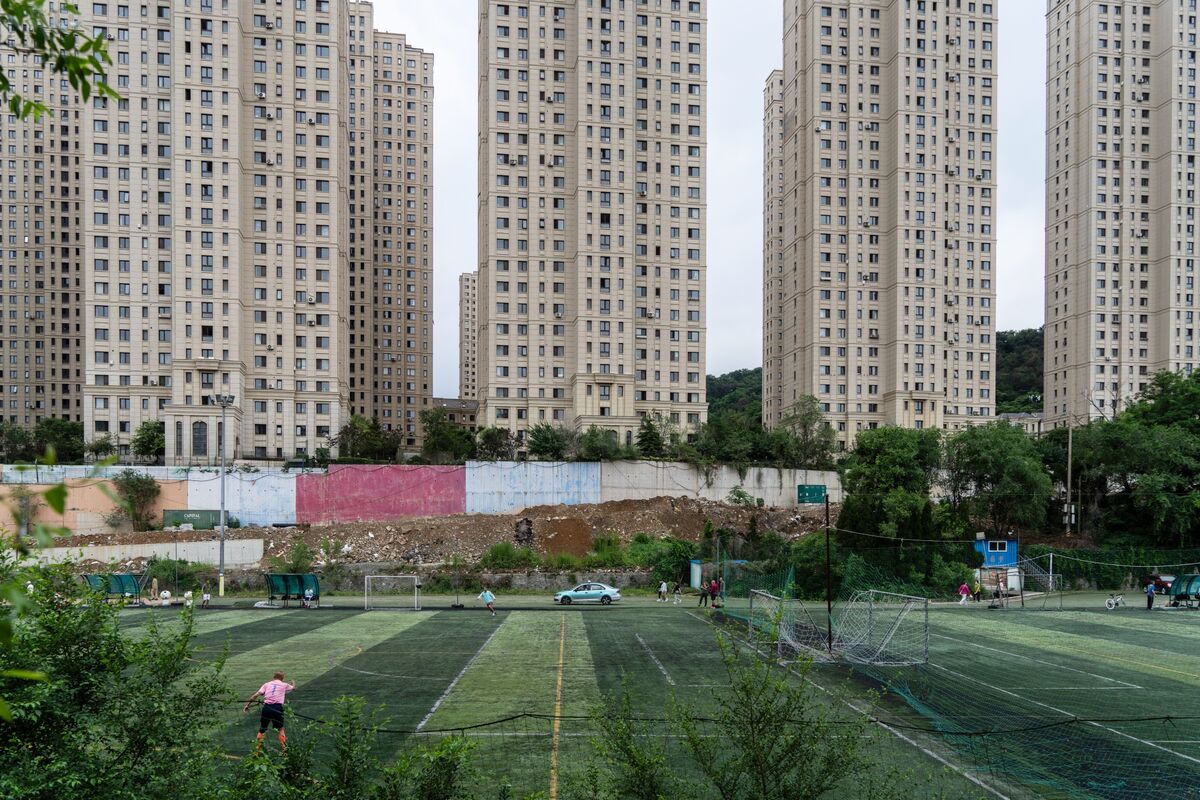
Evergrande, once China’s largest developer, is approaching the end of its market existence as liquidation processes advance. Analysts note that the company’s collapse symbolizes the broader transition from high-growth leverage models to a more regulated, inventory-focused development paradigm. The resolution of Evergrande’s debts is seen as a critical step in clearing the sector’s legacy risks, though it offers little immediate relief to other distressed firms.

Stalled Projects Revived via Judicial Auctions
In response to the backlog of unfinished homes, commercial auctions are increasingly being used to dispose of assets that have failed to sell multiple times. This mechanism aims to accelerate the "delivery guarantee" (baojiaolou) by transferring ownership to entities capable of completing construction. Reports indicate that these auctions are helping to resolve specific stalled projects, although the overall volume of unfinished inventory remains significant.

Local view
Local media outlets are highlighting the practical difficulties faced by developers and buyers under the new regulatory framework. Sohu reports that the transition to a new securities financing model for real estate is creating uncertainty, as developers adjust to stricter capital controls and reduced reliance on pre-sale funds. Meanwhile, Aboluowang (via overseas Chinese media) describes how former Evergrande developments have become low-cost refuges for residents, illustrating the social fallout of the crisis where unfinished complexes remain inhabited but lack proper amenities.
Context & numbers
- Price Trends: New home prices fell 0.1% month-on-month in August; used-home prices declined more sharply.
- Land Revenue Impact: Goldman Sachs estimates a 30% drop in land sale revenues due to sales model reforms.
- Developer Distress: Evergrande is in final liquidation stages; Junhe Group (a Shanghai-based conglomerate) is facing judicial auctions of its bank equity holdings amid debt defaults.
On the radar
- Policy Implementation: Watch for detailed local guidelines implementing the August 28 CSRC opinions on supporting the new development model, which aim to stabilize financing channels.
- Asset Disposal: Continued judicial auctions of distressed developer assets, including those from mid-tier firms like Junhe Group, may signal broader contagion or successful restructuring paths depending on bid activity.
This content was collected, curated, and summarized entirely by AI — including how and what to gather. It may contain inaccuracies. Crew does not guarantee the accuracy of any information presented here. Always verify facts on your own before acting on them. Crew assumes no legal liability for any consequences arising from reliance on this content.
Powered by
