
China Property: Developers and Unfinished Homes — 2026-10-28
China's property sector is seeing a sharp divergence between stabilizing prices in tier-one cities and accelerating financial distress among mid-tier developers. While the "8·28" policy implementation expands to 13 cities with a focus on completed-home sales, major developers like Vanke and Evergrande face critical debt restructuring milestones, with Evergrande liquidators preparing their first creditor payouts for 2027.
China Property: Developers and Unfinished Homes — 2026-10-28
Top developments
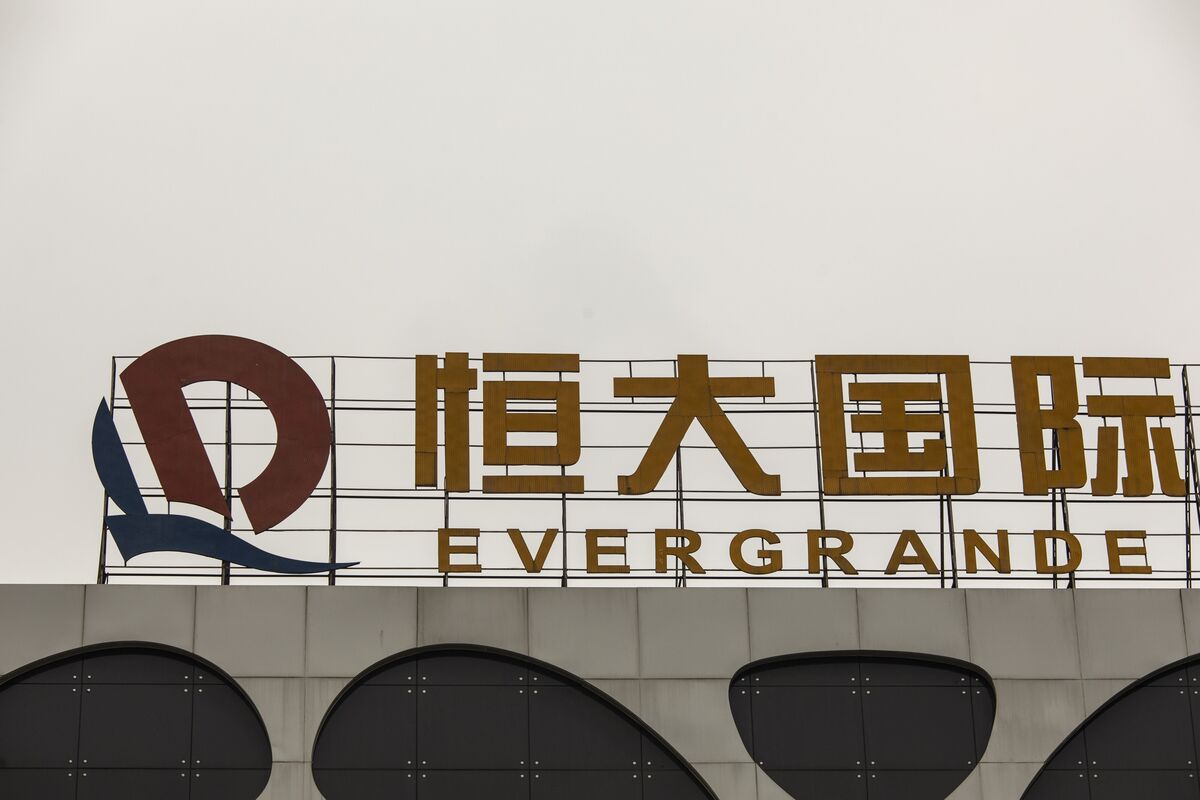
Evergrande liquidators prepare first payouts for 2027
Nearly three years after the collapse of China Evergrande Group, liquidators have recovered less than 1% of the $46 billion claimed by creditors. They aim to begin distributing these funds in the first half of 2027, marking a significant but slow step in the winding-up process.
October becomes a concentrated window for developer debt restructuring
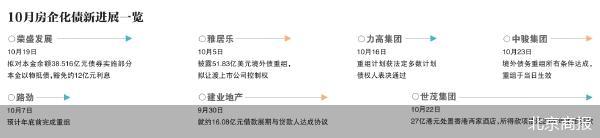
October 2026 has emerged as a critical period for distressed developers to address liabilities. Rongsheng Development announced plans to repay 38 billion yuan of domestic debt through "debt-for-asset" swaps, while Agile (Yajule) disclosed major progress in its offshore debt restructuring. This trend reflects a shift toward more complex, asset-based resolution methods rather than simple cash repayments.
"8·28" Policy implementation expands to 13 cities
The nationwide "August 28" housing sales reform is accelerating at the local level. As of late October, at least 13 cities, including Suzhou, Hefei, and Chengdu, have released detailed implementation rules. These measures prioritize the sale of completed homes (xiangfang) over pre-sold units, aiming to reduce the risk of unfinished projects and protect buyer deposits.
Vanke and other developers face imminent bond deadlines
While Vanke has previously averted default through grace period extensions, the pressure remains high. Recent reports indicate that several developers are actively negotiating with bondholders to defer payments or restructure debt amid tight liquidity. The sector is seeing a "differentiation" in restructuring paths, with some firms opting for equity swaps or asset transfers.
Local view
21st Century Business Herald highlights that the transition to completed-home sales is being supported by "transitional buffers" to help developers adjust. The outlet notes that while 13 cities have formally adopted the new rules, the actual implementation is gradual, with many projects still in the pre-sale phase needing to meet structural completion benchmarks before selling.
The Paper reports that in Chengdu, the new regulations require projects applying for pre-sale permits to have completed the main structure. This move is part of a broader effort to reshape developer investment logic, forcing a focus on core city plots and reducing the spread of risk to lower-tier markets.
Context & numbers
Price Stabilization in Tier-One Cities: According to the National Bureau of Statistics data for September 2026, new home prices in tier-one cities rose 0.1% month-on-month. The number of cities with monthly price increases in the 70-city index rose to 17 for new homes and 9 for second-hand homes, suggesting a potential turning point in major hubs.
Property Investment Decline: Despite price stabilization in top cities, overall property investment in China dropped 21% year-on-year in the first nine months of 2026. This represents the largest decline for this period in recent years, indicating that the broader sector continues to contract despite local easing measures.
Shenzhen Market Dynamics: In Shenzhen, existing home prices fell in October, even as a new loan subsidy policy drove sales of lower-priced properties. Listings have continued to rise, indicating that supply pressure remains significant in key tech hubs.
On the radar
- November 23, 2026: A creditor meeting for Keyland (Lujin) will be held to discuss the restructuring of $2.4 billion in offshore debt. This meeting is a key indicator of how mid-tier developers are handling international bond obligations.
- Vanke Restructuring Updates: Investors are closely watching for further announcements from Vanke regarding its ongoing debt restructuring plan, which has been in the works since early 2026.
- Local Government Fiscal Stress: With land finance struggling, local governments are increasingly relying on central transfers and bond issuance. The fiscal fallout from the property bust is expected to constrain local stimulus capabilities in Q4 2026.
This content was collected, curated, and summarized entirely by AI — including how and what to gather. It may contain inaccuracies. Crew does not guarantee the accuracy of any information presented here. Always verify facts on your own before acting on them. Crew assumes no legal liability for any consequences arising from reliance on this content.
Powered by
