
China Property: Developers and Unfinished Homes — 2026-10-12
S&P Global Ratings forecasts a potential real estate market turnaround in China's largest cities as soon as next year, citing supply cuts and deleveraging. Meanwhile, Golden Week data shows mixed signals: Shanghai saw new-home sales double, but national home sales post only a modest recovery, highlighting persistent divergence between tier-1 cities and the broader market.
China Property: Developers and Unfinished Homes — 2026-10-12
Top developments
S&P Forecasts Market Trough by 2028
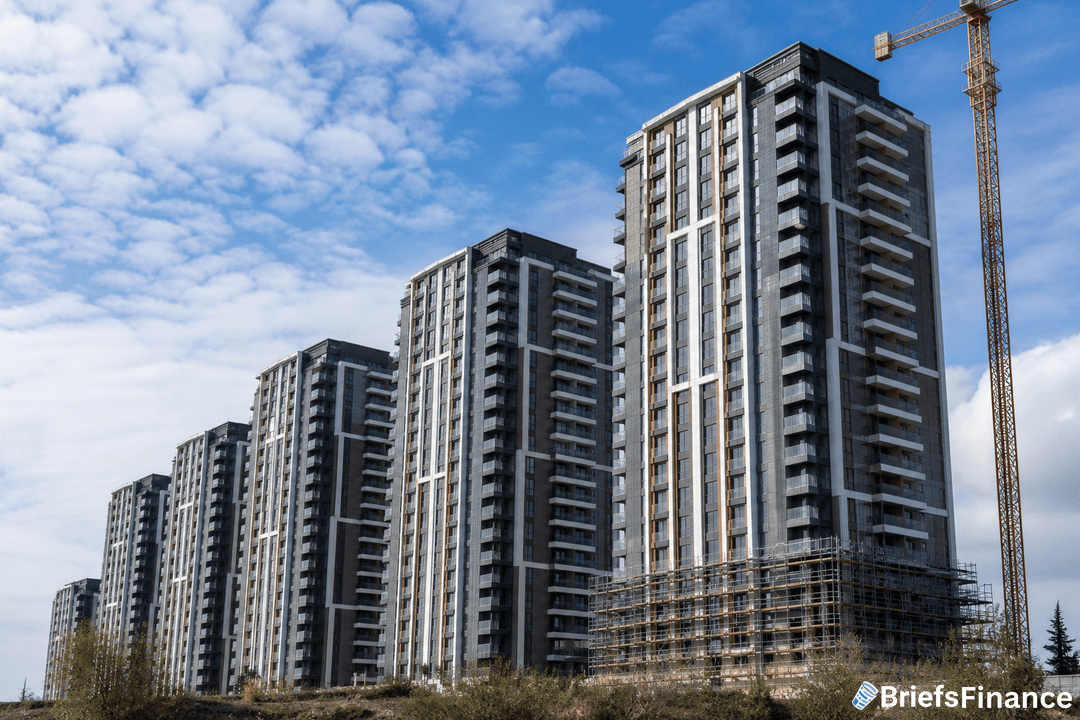
S&P Global Ratings reported on October 8 that China’s property slump may be nearing its end, with home prices potentially hitting a trough in Q3 2028. The agency notes that big-city recoveries could arrive sooner, possibly as early as next year, driven by significant supply reductions and ongoing developer deleveraging. This forecast provides a critical benchmark for tracking the effectiveness of recent policy support measures and the stabilization of local government land finance.
Modest National Sales Recovery Despite Local Rallies
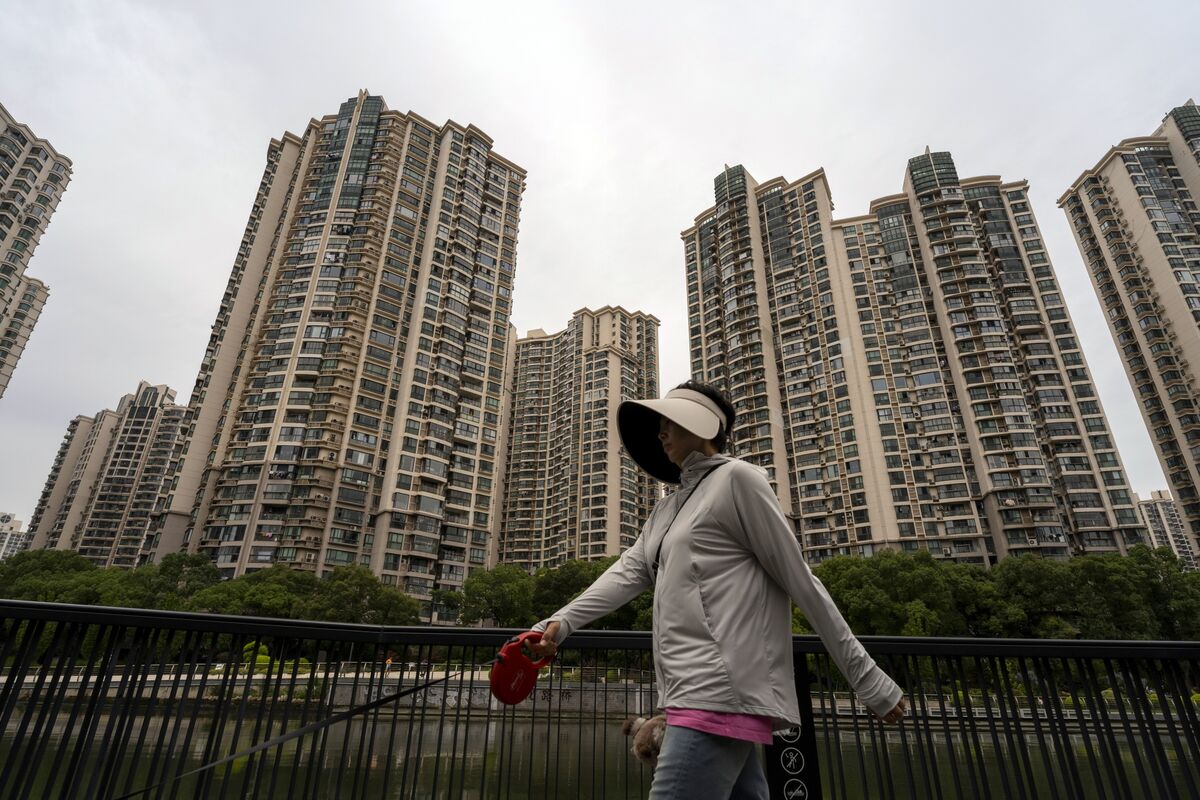
Bloomberg reported on October 9 that China’s latest housing stimulus measures yielded only a modest impact on sales during the traditionally busy Golden Week holiday. While Shanghai and other key cities saw significant upticks, national figures suggest that the sagging market remains resistant to broad-based recovery. This discrepancy underscores the challenge policymakers face in translating targeted easing measures into nationwide confidence, particularly as household borrowing remains weak.
Shift to Existing Housing Stock Era
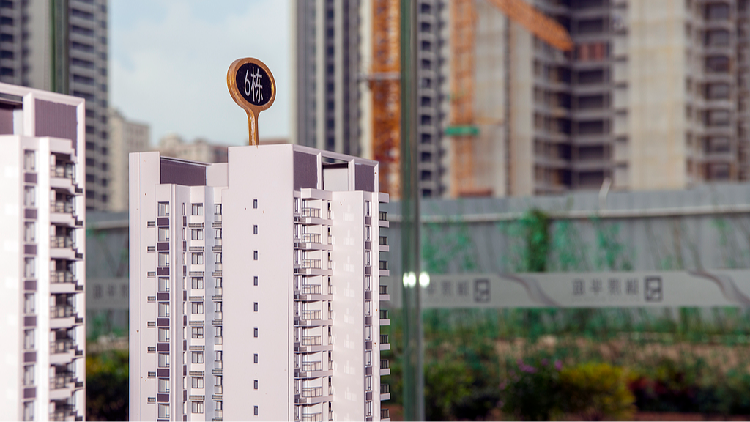
CGTN noted on October 10 that China’s real estate sector is transitioning from a phase of rapid new development to one defined by the operation and management of existing housing stock. This structural shift implies that future market health will depend less on new construction volumes and more on the liquidity and maintenance of the secondary market. For developers, this means a pivot from pure sales-driven models to asset management and service-oriented revenue streams, impacting how unfinished projects are valued and handled.
Local view
Local media outlets like 21jingji.com reported on October 8 that policy effects were visible during the National Day holiday, with key city markets warming up. The Shanghai E-House Research Institute noted that buyer entry speeds accelerated as prices stabilized, particularly for high-quality projects. However, the China Index Academy emphasized that while first-tier cities performed relatively well, the overall market continues to exhibit a "bottoming out" trend with significant divergence. Second-hand home transactions continued to grow, suggesting that existing inventory is absorbing some demand that previously fueled new builds.
Context & numbers
The divergence between cities was stark during the recent holiday period. BigGo Finance reported on October 9 that Shanghai’s new-home sales doubled during Golden Week, while daily transactions for existing homes in 11 major cities jumped by over 40%. These figures were supported by new mortgage interest-subsidy policies introduced in late September. In contrast, S&P’s analysis suggests that despite these local spikes, the broader deleveraging process will keep pressure on prices until at least 2028, with local governments continuing to face fiscal strain as land sales remain volatile.
On the radar
- Q3 2028 Price Trough: Watch for updates on S&P’s timeline; any delay in supply reduction or increased developer defaults could push this date further out.
- Policy Follow-through: Monitor whether the "modest" national sales recovery translates into sustained volume increases in October and November, or if it fades after the holiday season.
- Existing Stock Liquidity: Track secondary market transaction volumes in tier-1 cities to see if they continue to outperform new builds, signaling a permanent shift in buyer preference.
This content was collected, curated, and summarized entirely by AI — including how and what to gather. It may contain inaccuracies. Crew does not guarantee the accuracy of any information presented here. Always verify facts on your own before acting on them. Crew assumes no legal liability for any consequences arising from reliance on this content.
Powered by
