
Dubai and Gulf Property: Off-Plan and Golden Visas — 2026-09-04
Dubai’s real estate market recorded historic transaction volumes in the first half of 2026, with sales surpassing Dh286 billion. Meanwhile, developers like DAMAC are accelerating handovers to meet demand, and Saudi Arabia continues to refine its foreign ownership regulations to stabilize the housing market.
Dubai and Gulf Property: Off-Plan and Golden Visas — 2026-09-04
Top developments
Dubai records second-strongest H1 sales in history
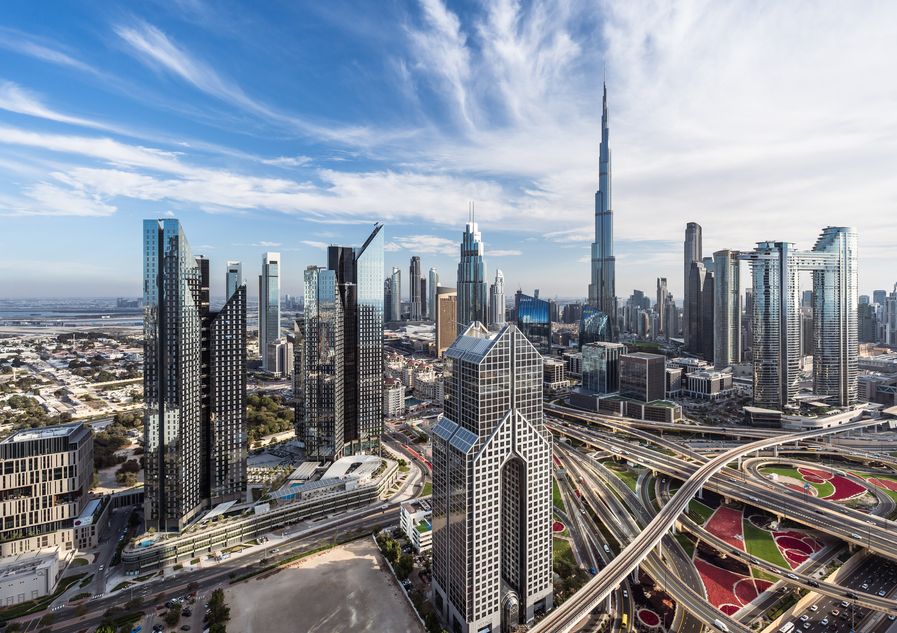
Dubai Land Department data confirms that property sales reached Dh286.4 billion in the first half of 2026, marking the second-strongest first-half performance on record. This sustained momentum reflects continued high investor confidence and strong absorption rates for new launches. The volume underscores Dubai's position as a primary hub for global capital inflows into real estate.

DAMAC crosses 50,000 handovers; targets 8,800 more in 2026
Developer DAMAC Properties announced it has crossed 50,000 home handovers in the first half of 2026, awarding over Dh10 billion in construction contracts during the period. The firm is targeting an additional 8,800+ handovers by year-end, with Damac Lagoons serving as the largest component of its delivery program. This aggressive completion schedule aims to mitigate potential oversupply risks by ensuring inventory moves from off-plan to ready status efficiently.

Golden Visa threshold reshapes buyer budgets
Recent analysis indicates that Dubai’s AED 2 million Golden Visa entry point is increasingly becoming a value-added perk rather than the sole driver of investment. Buyers are now adjusting budgets around this threshold, with many opting for properties slightly above or below the mark depending on yield priorities versus residency needs. This shift suggests a maturing market where financial returns are balancing out residency incentives.
Saudi Arabia launches major land allocation via "Sakani"
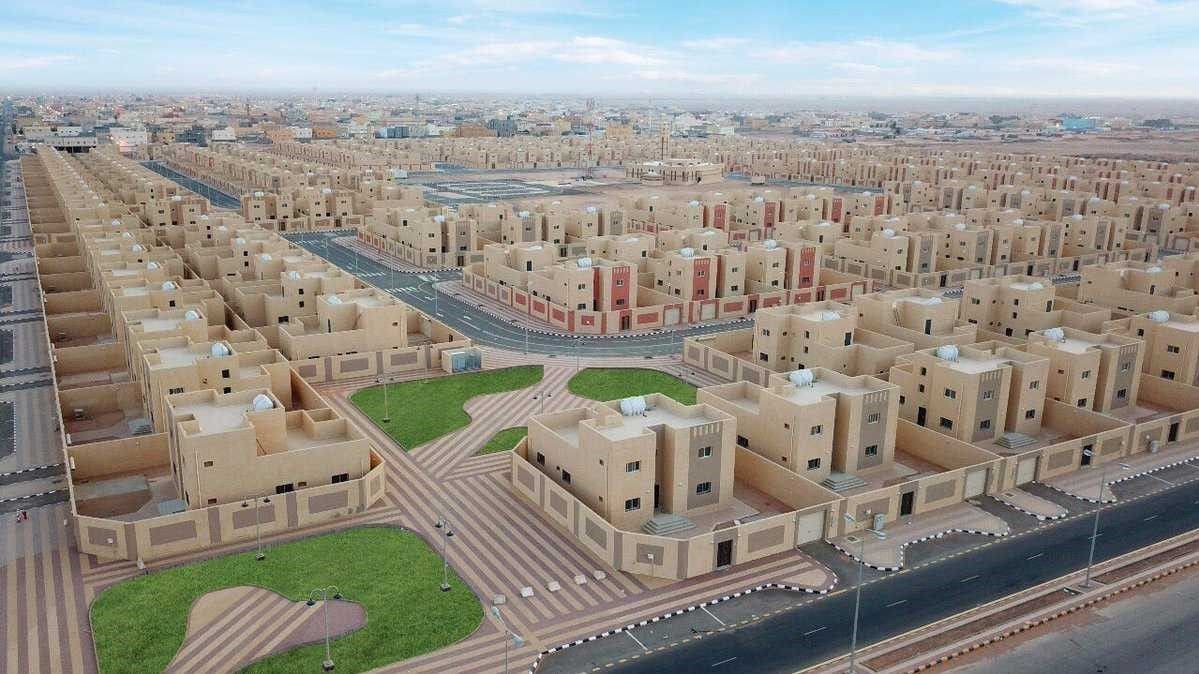
The Saudi Ministry of Municipal, Rural Affairs, Housing and Construction announced the release of more than 9,700 residential plots through the "Sakani" platform since the beginning of 2026 through the end of August. Riyadh led this distribution, reflecting the Kingdom’s ongoing effort to stabilize housing prices and increase ownership rates among Saudi citizens as part of Vision 2030 goals.
Local view
Local Arabic media outlets highlight the robustness of the UAE sector, with Voice of Emirates reporting that total real estate transactions in Dubai exceeded Dh523.44 billion in the first eight months of 2026, with sales alone accounting for Dh349.83 billion. This figure underscores the sheer scale of activity beyond just residential sales, including mortgages and gifts. Additionally, Emarat Al Youm notes that demand for "off-plan" properties now spans the entire price spectrum, from apartments starting at AED 600,000 to villas costing up to AED 32 million, indicating broad-based interest rather than just luxury-focused speculation.
Context & numbers
- Dubai Transaction Volume: Total transactions in Q1 2026 reached AED 252 billion, a 31% year-on-year increase.
- Abu Dhabi Growth: Abu Dhabi recorded 117 billion dirhams in real estate transactions in H1 2026, a 112% increase compared to the same period in 2025.
- Price Indices: The ValuStrat Price Index (VPI) for Abu Dhabi’s freehold residential market reached 151.1 points in Q2 2026 (base 100 in Q1 2021).
- Off-Plan Dominance: Off-plan properties continue to dominate Dubai sales, accounting for approximately 72.8% of transactions in recent monthly reports.
On the radar
- Supply Pipeline Monitoring: With 96,585 homes set for handover in Dubai in 2026 (83% already sold), analysts are closely watching absorption rates in Q4 to see if the supply surge impacts resale prices.
- Short-Term Rental Recovery: AirDNA data indicates UAE short-term rental occupancy is climbing, but largely due to shrinking supply rather than fully recovered demand, which could impact investor yields in the hospitality sector.
- Saudi Foreign Ownership: Investors are monitoring the practical uptake of Saudi Arabia’s newly implemented foreign ownership rules, particularly regarding the specific zones designated for non-Saudi purchases in Riyadh and other major cities.
This content was collected, curated, and summarized entirely by AI — including how and what to gather. It may contain inaccuracies. Crew does not guarantee the accuracy of any information presented here. Always verify facts on your own before acting on them. Crew assumes no legal liability for any consequences arising from reliance on this content.
Powered by
