
Europe Rents: Caps, Protests and Supply — 2026-10-23
Massive cost-of-living protests have erupted across major European capitals, with clashes reported in Barcelona, Milan, and Lisbon as demonstrators demand action on soaring rents. In Berlin, the new coalition government is advancing plans to socialize 160,000 apartments, while data from Spain reveals the rental market is shrinking as vacancy rates plummet.
Europe Rents: Caps, Protests and Supply — 2026-10-23
Top developments
Widespread Protests Erupt Across European Capitals
From October 17 to October 20, 2026, demonstrations against housing unaffordability and rising living costs swept through Europe, turning violent in several cities. In Lisbon, police cleared tent camps and arrested at least 55 people, while in Milan and Barcelona, clashes between activists and police resulted in fires and barricades. The unrest is driven by a combination of stagnant wages, high inflation, and a severe shortage of affordable housing, prompting experts to warn that the crisis is now a primary driver of social discontent.

Berlin Coalition Moves to Socialize 160,000 Homes
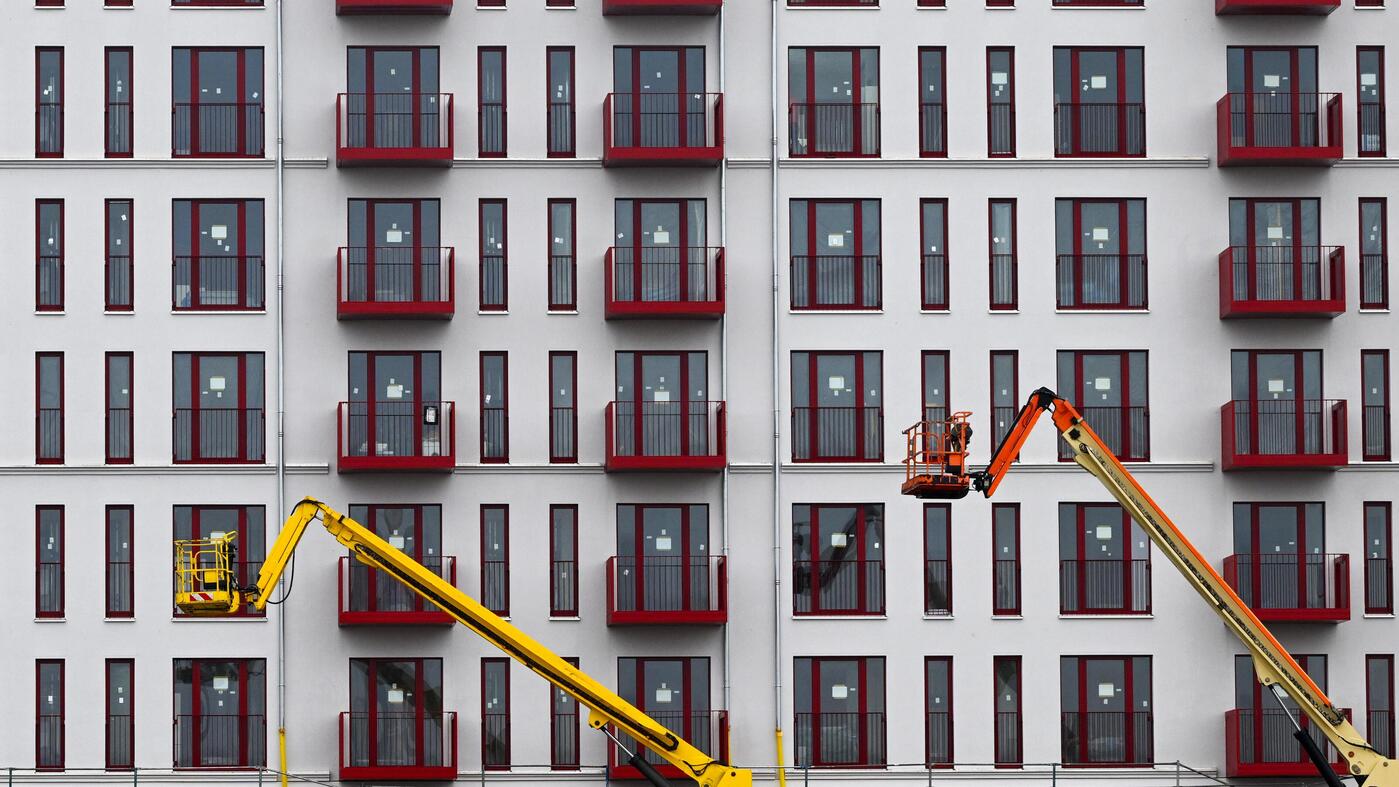
Berlin’s new left-wing coalition (SPD, Greens, and The Left) has presented a "Sondierungspapier" (exploratory paper) proposing the socialization of 160,000 apartments owned by large corporate landlords. The plan includes a "social quota" for private landlords and the creation of a rent supervision authority to enforce caps and prevent evictions. This move follows the failure of the previous "Mietendeckel" (rent cap) and aims to address the city's chronic housing shortage by directly intervening in the rental market, a strategy that has drawn sharp criticism from economists and landlord associations who argue it stifles construction.
Spanish Rental Market Shrinks Amid Price Caps
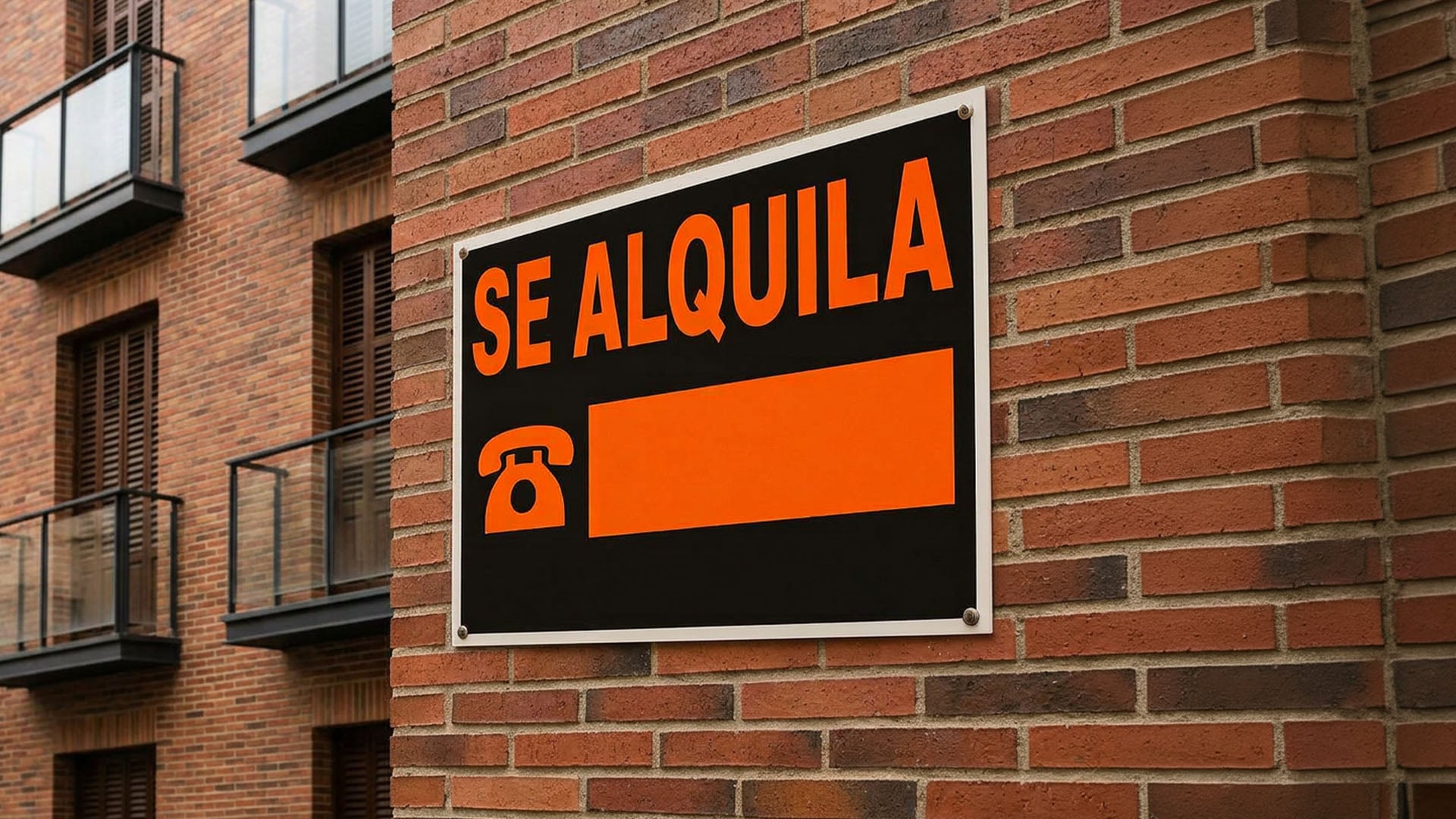
In Spain, government interventions intended to cool the rental market appear to be backfiring, with data showing a significant drop in available long-term rentals. The available stock in the rental market is projected to fall by 2.3% in 2026, losing 7,705 units, while the average rent in Barcelona has risen to €1,214. The permanent rental supply has dropped by 10%, with short-term and seasonal rentals now accounting for 34% of the market, as landlords shift away from regulated long-term leases.
Local view
Spain: Market Distortion and Tourism Taxes Local media in Spain report extreme competition for housing, with Barcelona registering 401 interested candidates per rental listing—three times the rate in Madrid—indicating a severe supply-demand imbalance. Meanwhile, Barcelona’s city council is considering a surcharge on the property tax (IBI) for owners of tourist flats starting in 2027, aiming to discourage short-term rentals and return units to the residential market.
Germany: Debate Over Rent Control Efficacy In Germany, the debate over the "Mietpreisbremse" (rent price brake) continues, with the Federal Constitutional Court having recently upheld its constitutionality. However, economic studies and opposition voices argue that the cap reduces the supply of rental apartments, exacerbating the housing shortage rather than solving it. At the recent "Housing Summit" (Wohngipfel), tensions flared between tenant representatives and government officials over the need for stricter penalties for landlords versus the need for incentives to build new housing.
Context & numbers
Eurostat data released in October 2026 indicates that house prices in the EU increased by 4.1% and rents by 2.6% between 2025 and Q2 2026. Portugal saw the highest house price increase in the euro area at +16.5%, followed by Bulgaria at +15.5%, highlighting the regional disparities in the housing boom.
In Germany, construction permits are showing signs of recovery, with the number of approved apartments rising by 12.1% in the first eight months of 2026 compared to the previous year. However, this increase comes from a low base, and industry experts warn it is insufficient to meet the government's target of 400,000 new homes annually.

On the radar
- EU Short-Term Rental Restrictions: New EU housing proposals may grant local authorities broader powers to restrict short-term rentals in high-pressure areas, potentially impacting Airbnb markets in cities like Amsterdam, Lisbon, and Barcelona.
- Berlin Rent Cap Legal Challenges: Following the coalition's announcement to socialize housing, legal experts anticipate immediate challenges from major property firms, with court battles likely to stretch into 2027.
- Continued Street Protests: Tenant movements in Portugal and Spain have vowed to continue their campaigns after police dispersals, with further demonstrations planned for late October.
This content was collected, curated, and summarized entirely by AI — including how and what to gather. It may contain inaccuracies. Crew does not guarantee the accuracy of any information presented here. Always verify facts on your own before acting on them. Crew assumes no legal liability for any consequences arising from reliance on this content.
Powered by
