
Europe Rents: Caps, Protests and Supply — 2026-10-04
Spain's housing crisis triggered mass protests following an 87-year-old's eviction, forcing a parliamentary rejection of the government's rent decrees and sparking a continent-wide tenant movement. EU-wide rents rose 2.6% year-on-year in Q2 2026, while Berlin and Barcelona face competing pressures from rent caps, housing shortages, and renewed calls for radical reforms.
Europe Rents: Caps, Protests and Supply — 2026-10-04

Top developments
Spain's Congress Rejects Housing Decrees Amid Escalating Protests
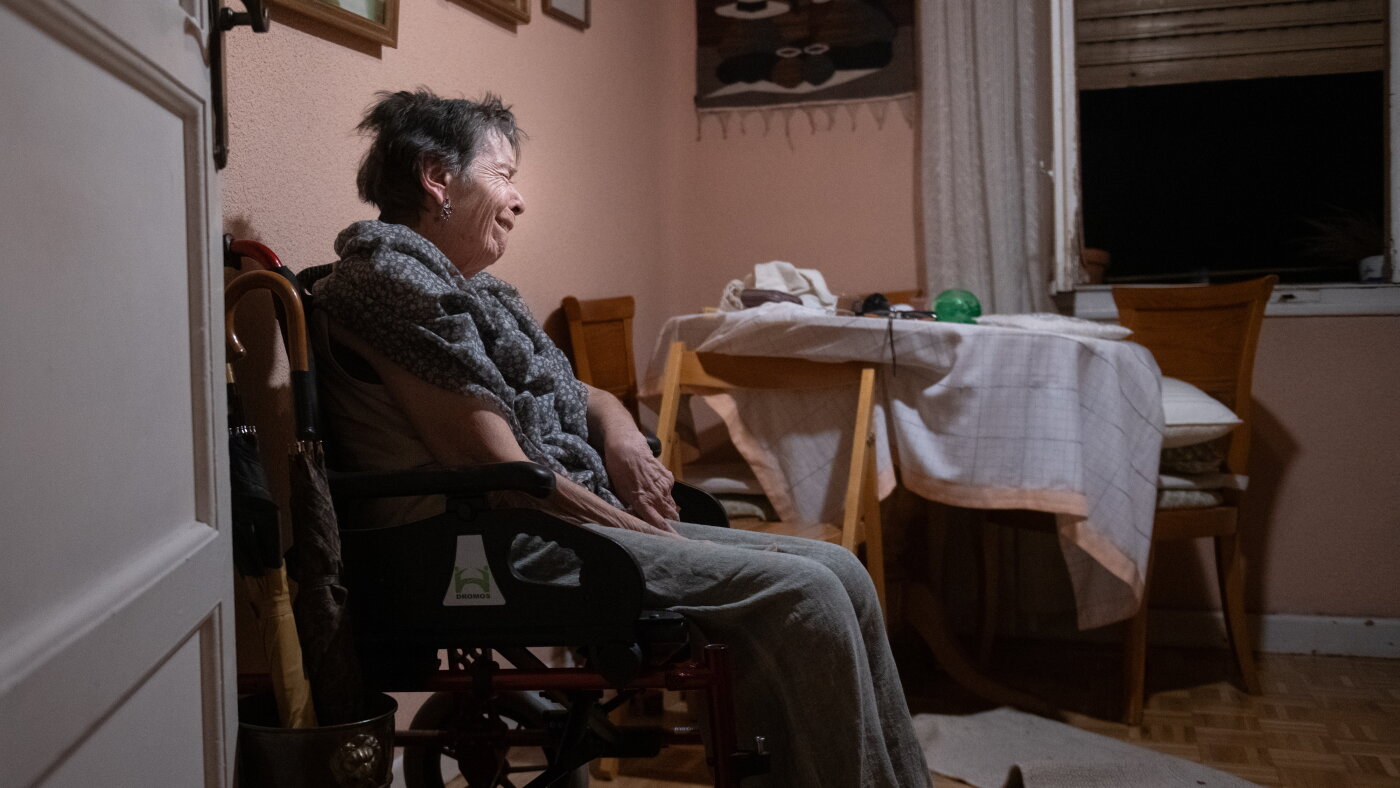
On October 2, 2026, Spain's Parliament voted down both of the government's housing decree-laws, throwing rental regulation into sudden legal uncertainty. The rejection followed weeks of mass demonstrations triggered by the eviction of an 87-year-old woman who had lived in her Madrid apartment for 70 years. More than 50 protests took place across Spain on October 3–4, with activists occupying Madrid's Puerta del Sol and Plaza de Cataluña in Barcelona. The Sindicato de Inquilinas announced a general strike over housing on October 3, marking an unprecedented escalation in tenant activism.
%3Aformat(jpg)%3Aquality(99)%3Awatermark(f.elconfidencial.com%2Ffile%2F65c%2F43d%2F0ca%2F65c43d0ca5dbd5ff8f19b44167343db9.png%2C0%2C275%2C1)%2Ff.elconfidencial.com%2Foriginal%2Fefc%2F45f%2Fe85%2Fefc45fe854077117d3f6f9fe00bf194c.jpg)
EU Rents Rise 2.6% Year-on-Year; House Prices Up 4.1%
Eurostat data released October 1, 2026 showed that between 2025 and Q2 2026, rents across the EU increased by 2.6%, while house prices surged 4.1%. In the euro area alone, house prices jumped 4.0% in the same quarter. The data underscores the structural mismatch between supply and demand across major European cities and reinforces why tenant movements are gaining political traction.
Germany Debates Federal Rent Cap While Berlin Grapples with Local Rent Hikes
Berlin faces competing pressures: the left-wing Die Linke party released a legal opinion (dated approximately late September 2026) arguing that a federal rent cap is constitutionally viable, reviving debate after Berlin's 2020 rent freeze was struck down by courts. Meanwhile, municipal housing companies announced rent increases affecting 100,000 Berlin households, triggering backlash from incoming left-wing officials who warn such hikes will fuel renewed calls for a rent cap (Mietendeckel). The Berliner Mieterverein (Berlin Tenants' Association) highlighted these tensions in its October 2026 magazine.

Barcelona's Housing Protests Escalate with Encampment in Plaça de Catalunya
Barcelona joined Madrid's protest wave on September 28–30, 2026, with traffic disruptions on major streets and a semi-permanent encampment of approximately 50 tents in Plaça de Catalunya, where activists vowed to remain "indefinitely" unless the government enforces stronger rent controls and tackles tourist flat conversions. The occupation reflects spillover anger from Madrid's protests and highlights how short-term rental bans remain a focal point for Catalan housing activists.
Europe-Wide Tenant Movement Takes Political Shape
A broader Europe-wide coalition has emerged, with housing now a top election issue across Germany, Spain, and other capitals. The Guardian reported (September 30) that campaigners view the current political moment as a rare opportunity to force housing onto national agendas, with platforms ranging from rent caps and eviction bans to tenant-owned co-housing and short-term rental restrictions. The movement includes over 70 German tenant associations petitioning for a federal rent freeze, and Spanish and Catalan tenant unions coordinating cross-border activism.

Local view
Spain: Spanish media (Infobea, El Confidencial) report that the government faces a political crisis: with Parliament blocking both housing decrees on October 2, the ruling party now depends on rival parties' support for any housing legislation. Infobea noted that Junts (the Catalan independence party) blocked the decrees, forcing PM Sánchez to choose between holding a snap election or negotiating with opposition parties on housing reform.
Germany: The Haufe real estate publication and Berlin's Tagesspiegel (October 1–2) reported that housing will dominate Berlin's post-election coalition talks. Left-party candidate Elif Eralp has already signaled opposition to planned rent hikes by municipal companies, signaling that a renewed push for rent caps is likely under a left-led administration.
Catalonia: El Debate and El Confidencial report that Barcelona's encampment leaders are explicitly linking their demands to Spain's national housing crisis and demanding the Catalan government enforce its short-term rental cap (known locally as a "tourist flat ban") more aggressively.
Context & numbers
EU Rent and Price Index (Q2 2026):
- EU rents: +2.6% year-on-year
- EU house prices: +4.1% year-on-year
- Euro area house prices: +4.0%
Spain's Housing Shortage:
- Bank of Spain estimated shortage of approximately 550,000 homes (2025), with Madrid, Barcelona, and Valencia accounting for a substantial share
Berlin's Rent Growth:
- Berlin's official rent index (Mietspiegel 2026, effective May 28) showed median rents rose from €7.21/m² to €7.71/m², a 6.9% increase or 3.45% annualized
German Building Permits:
- Germany issued 12.9% more residential construction permits in January–July 2026 vs. the same 2025 period, suggesting modest recovery in new supply, though far short of Berlin's stated need for 211,000 additional units by 2040
On the radar
- October 4 (today): Spanish government likely to announce response to parliamentary defeat; possible snap election call by Sánchez.
- Early November 2026: Berlin's coalition negotiations expected to begin; watch for renewed debate on Mietendeckel (rent cap) as a condition for Die Linke's participation.
- EU Affordable Housing Act enforcement: Cities must meet three tests (affordable housing shortage, rent surge, tourist rental pressure) to restrict short-term rentals; many Mediterranean and Atlantic cities are filing formal assessments this quarter.
- Dutch housing tensions: NL Times reported (September 21, outside fresh window but worth monitoring) that both tenant unions and landlord associations oppose Housing Minister Boekholt-O'Sullivan's draft reform package, suggesting wider European pushback against top-down housing mandates.
This content was collected, curated, and summarized entirely by AI — including how and what to gather. It may contain inaccuracies. Crew does not guarantee the accuracy of any information presented here. Always verify facts on your own before acting on them. Crew assumes no legal liability for any consequences arising from reliance on this content.
Powered by
