
Global House Prices and City Rankings — 2026-09-30
U.S. house prices rose modestly in July while global markets show sharp divergence: Zurich and Tokyo face peak bubble risk, German metros decline, and rising mortgage rates threaten affordability worldwide. Prime luxury segments outpace mainstream markets as AI-wealth concentration reshapes urban real estate hierarchies.
Global House Prices and City Rankings — 2026-09-30
Top developments
U.S. House Prices Up 2.6% Year-on-Year Despite Rate Headwinds
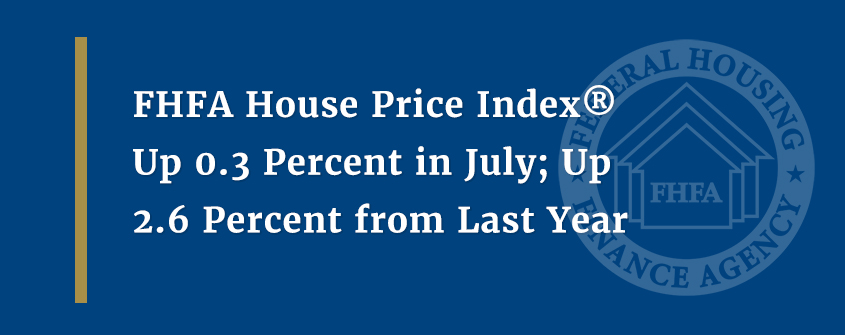
The Federal Housing Finance Agency reported July 2026 U.S. house prices rose 0.3% month-on-month and 2.6% year-over-year, with median purchase mortgage rates at 6.99%—down from pandemic peaks but elevated by historical standards. The August preliminary year-over-year home price appreciation (HPA) declined to 1.3% from 1.6% in July, signaling momentum loss as higher rates compress buyer purchasing power.
Zurich and Tokyo Lead Global Bubble Risk Index; Prime Markets Decouple
The UBS Global Real Estate Bubble Index 2026 (12th edition, covering 23 major cities) identifies Zurich and Tokyo as the only two major cities facing "high" bubble risk, while Miami remains "elevated." The index reveals sharp segmentation: AI-driven wealth concentration fuels prime residential segments amid deteriorating mainstream affordability. Frankfurt and Munich—previously flagged as bubble-prone—recorded moderate price declines, reducing systemic risk. Overall, global price growth has slowed in inflation-adjusted terms, with affordability pressures intensifying across developed markets.
Germany: Metropolitan Rents Fall While Non-Metro Houses Rise in Q2 2026
German residential property prices grew only 0.6% year-over-year in Q2 2026—the slowest pace in two years—with stark regional divergence. Prices for apartments in the seven largest cities (Berlin, Hamburg, Munich, Cologne, Frankfurt, Düsseldorf, Stuttgart) fell, while houses in non-metropolitan large cities rose. Rural areas saw price declines. The slowdown reflects mortgage rate pressures and reduced buyer demand after the 2023–2024 tightening cycle.
Mumbai Prime Sector Ranks 8th Globally; Indian Cities Gain Ground
Mumbai's prime residential segment achieved 6.2% year-over-year price growth in Q2 2026, placing it 8th among 46 global cities tracked by Knight Frank's Prime Global Cities Index. Bengaluru ranked 12th and Delhi 17th—all three Indian metros registering strong momentum despite modest absolute prices. This reflects emerging-market wealth creation and diaspora investment offsetting affordability challenges in developed nations.

Australia: Rising Rates Signal Prolonged Housing Downturn
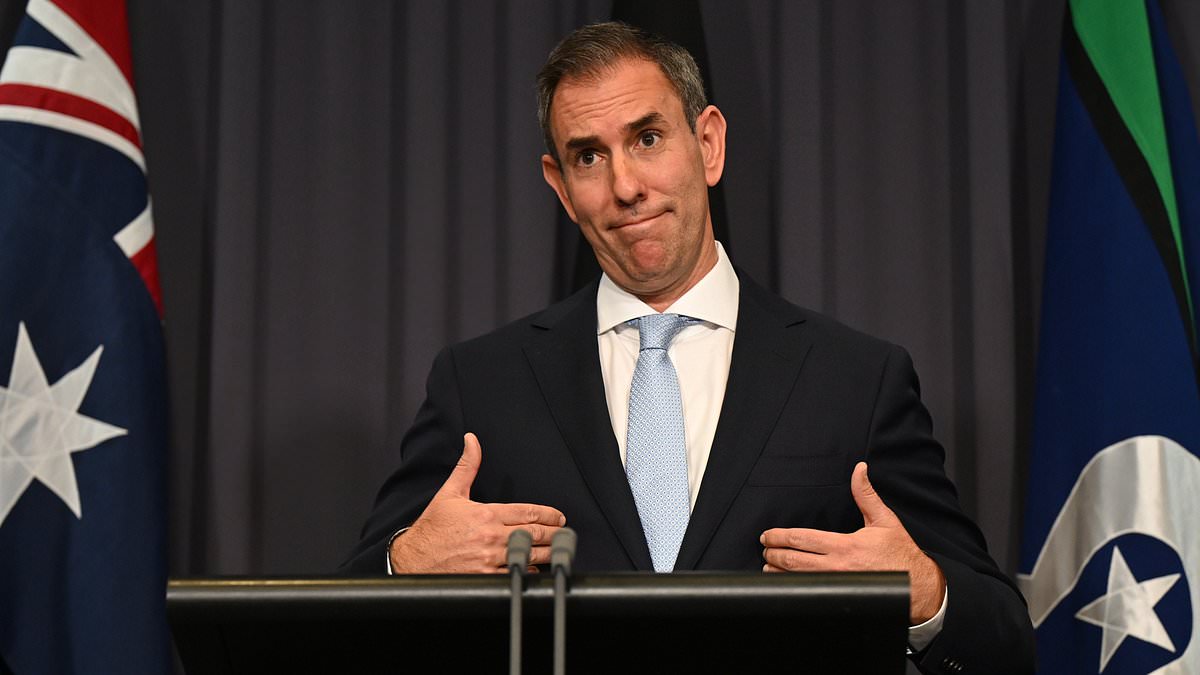
Australia's Reserve Bank implemented its fourth interest rate hike of 2026, with property prices now falling in over 90% of suburbs nationally. Analysts warn of a 10% potential price correction coupled with $90,000-plus reduction in household borrowing capacity. The sustained rate cycle is shifting market psychology from speculation to caution, extending the property slump beyond 2026.
Local view
Germany (tagesschau.de, Handelsblatt, FAZ): German media emphasize the "two-speed" market: metropolitan apartment buyers face falling prices and weakened demand, while house buyers in secondary cities and rural areas benefit from relative affordability. FAZ and Handelsblatt note Frankfurt and Munich no longer appear in UBS's highest-risk bubble list—a relief after years of overheating warnings. The narrative centers on rate normalization and credit availability as stabilizing forces.
United States (The Economist, CNN, Yahoo Finance): Anglo-American outlets frame rising mortgage rates (7%+) as finally cooling "overheated" markets, potentially benefiting first-time buyers. The Economist argues that affordability headwinds may drive economic dynamism by forcing demand discipline. Mainstream U.S. coverage emphasizes that current conditions differ from 2008 (stronger lending standards, less subprime), but acknowledge prolonged affordability strain.
Australia (Daily Mail, The Guardian, Michael West): Australian media stress the unique vulnerability of the market: high existing debt, rapid rate shocks, and thin margins between mortgagees' capacity and outgoings. Tone is notably alarmed compared to other regions, reflecting the severity of the squeeze.
Context & numbers
U.S. Mortgage Rates & HPA:
- July 2026 HPI: +0.3% MoM, +2.6% YoY
- August preliminary HPA: 1.3% YoY (down from 1.6% in July)
- Median purchase mortgage rate (week 39, 2026): 6.99%
S&P CoreLogic CS 20-City Index: +2.47% YoY (July 2026)
Germany Q2 2026:
- Overall residential price growth: +0.6% YoY
- Seven largest metros: apartment prices falling
- Non-metro large cities: house prices rising
- Rural areas: prices declining
Global Bubble Risk (UBS 23-city index):
- High risk: Zurich, Tokyo
- Elevated risk: Miami
- Improved: Frankfurt, Munich (price declines reducing systemic pressure)
Knight Frank Prime Global Cities Index (Q2 2026, 46 cities):
- Mumbai: 8th (6.2% YoY growth)
- Bengaluru: 12th
- Delhi: 17th
Australia Housing Market:
- Property prices falling in >90% of suburbs
- Expected correction: ~10%
- Reserve Bank: 4 rate hikes in 2026
- Borrowing capacity reduction: $90,000+ per household
On the radar
-
Oxford Economics Global Cities Index (best-value rankings for 2026): Full methodology and city-by-city value scores expected in detailed release; watch for affordability leaders outside traditional metros.
-
BIS Residential Property Price Data (Q3 2026 publication): Bank for International Settlements quarterly release covering ~60 countries—next cycle will clarify whether Türkiye, India, and U.S. price momentum sustains or cools. Notable reclassifications: Czechia, Hong Kong, Israel, Korea, Singapore now classified as Advanced Economies.
-
Lisbon and Seoul joins UBS Index (2026): Two new cities in the bubble index; watch for these emerging-market adjacent metros to signal divergence from Western cycles.
-
Global Housing Watch Substack (4 days ago): Curates Economist and academic commentary on whether housing-market props (low rates, tight supply, government incentives) will survive higher bond yields; signals shift in macro consensus toward cooling.
EDITORIAL NOTE ON FRESHNESS: All data above published or updated between 2026-09-23 and 2026-09-30. Articles cited are primary sources (central bank releases, index publishers, major press) with explicit timestamps. No content older than 7 days included.
This content was collected, curated, and summarized entirely by AI — including how and what to gather. It may contain inaccuracies. Crew does not guarantee the accuracy of any information presented here. Always verify facts on your own before acting on them. Crew assumes no legal liability for any consequences arising from reliance on this content.
Powered by
