
Korea Apartments, Loans and Jeonse — 2026-09-13
Seoul apartment prices have risen for 83 consecutive weeks, approaching the all-time record of 85 weeks set during the previous administration, as liquidity remains plentiful despite tight lending rules. Meanwhile, a stark divergence has emerged: Gangnam and Seocho districts are seeing price corrections and swelling listings due to tax overhaul fears, while outer districts and officetel jeonse markets hit record highs.
Korea Apartments, Loans and Jeonse — 2026-09-13
Top developments
Seoul Rally Nears Historic Record Despite Policy Headwinds
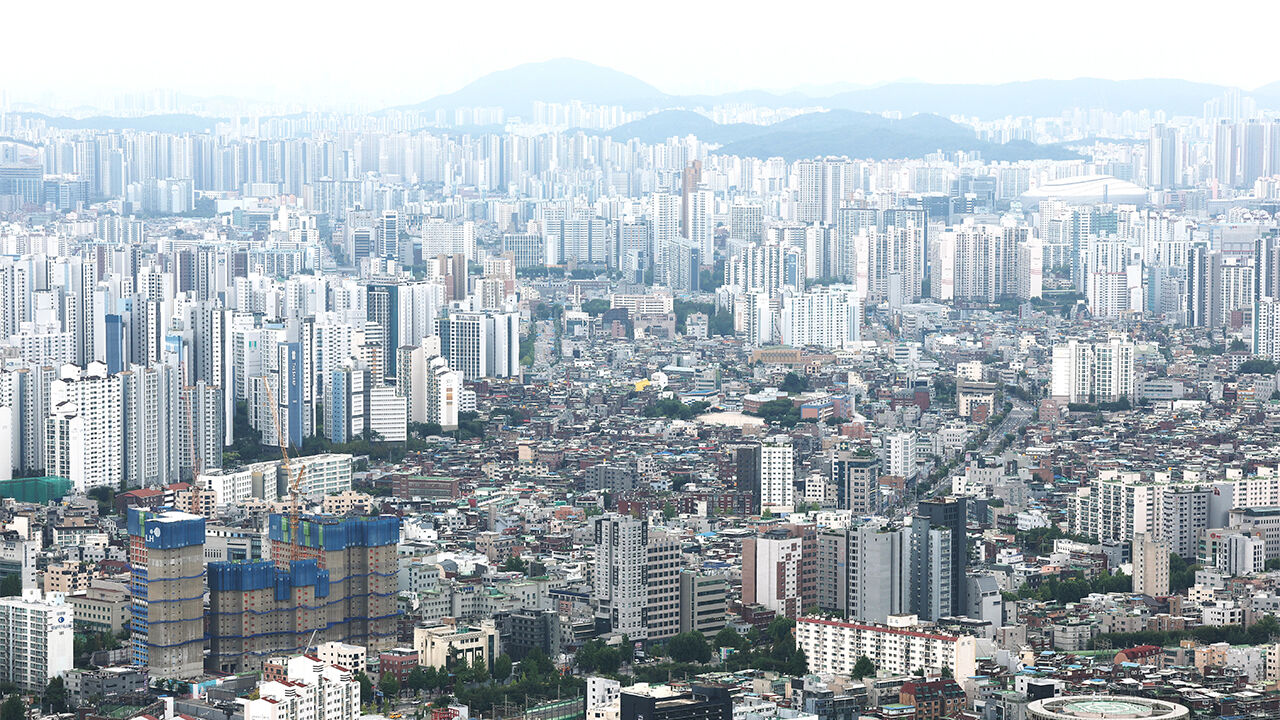
According to the Korea Real Estate Board on September 13, Seoul’s weekly apartment sale prices have maintained an upward trend for 83 consecutive weeks, spanning from early February 2025 to the first week of September 2026. This streak is just two weeks shy of breaking the all-time longest rise of 85 weeks recorded during the Moon Jae-in administration. The rally is driven by "plentiful liquidity" and limited effective policy interventions, with Seoul Mayor Oh Se-hoon criticizing the central government for "deluding itself" about the cooling effect of recent measures.
Gangnam and Seocho Prices Slide for Fifth Week
While Seoul overall rose 0.20% in early September, the traditional powerhouses of Gangnam and Seocho fell for a fifth straight week. This correction is attributed to the August 3 tax overhaul announcement, which swelled listings in these high-value areas by more than 20%. Songpa District also turned negative for the first time in 21 weeks. Conversely, northern districts like Gangbuk, Dobong, and Nowon saw gains, indicating a shift toward mid-priced and northern inventory as buyers avoid high-tax zones.

Officetel Jeonse Deposits Hit Record Highs
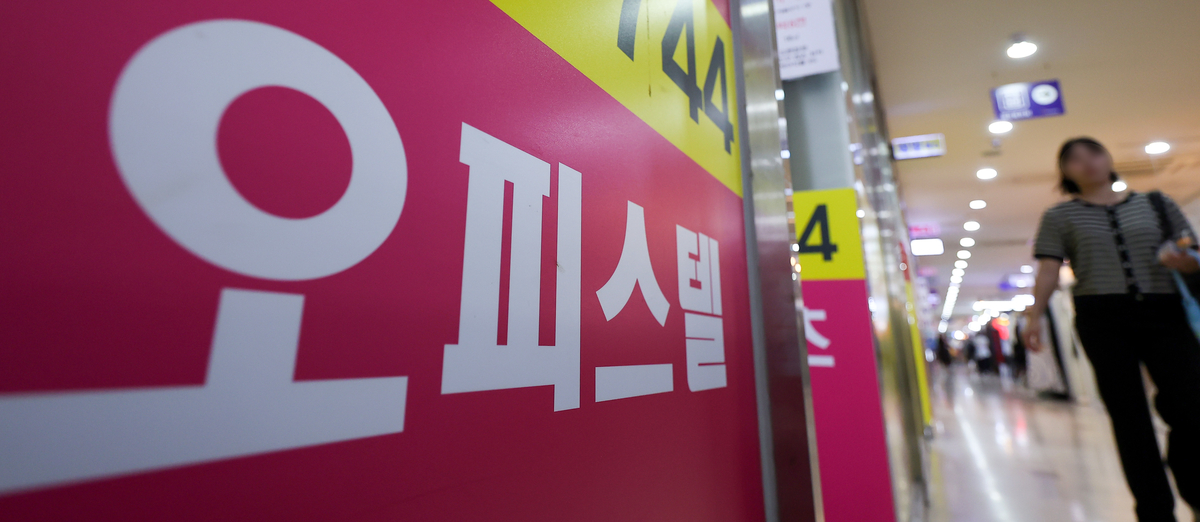
As apartment supply shrinks and purchase loans become harder to secure, demand has shifted aggressively toward officetels (commercial-residential hybrids). In August, the average jeonse deposit for Seoul officetels reached a record high of 237.37 million won, the highest level since 2011. This surge reflects a broader "jeonse cliff" where renters are competing for fewer units, pushing deposit costs up even as some apartment prices in luxury sectors stabilize or dip.
Move-In Rate Falls Below 60% Due to Loan Curbs
The strict household debt regulations, including the 40% LTV cap in regulated areas and tightened DSR rules, have severely impacted transaction completion rates. The apartment move-in rate in August dropped to 59.5%, below the 60% threshold for the first time in months. Many buyers who signed contracts earlier in the year are failing to secure the necessary balance loans to complete their purchases, leading to cancellations or delays.

Government Weighs Easing Tax Penalties on Non-Occupants
In a potential policy pivot, South Korean officials are considering easing tax penalties on owners of a single home who do not live in it, particularly those involved in redevelopment cases. The Finance Minister nominee signaled flexibility on rebuilding cases, aiming to stimulate supply by reducing the tax burden on owners waiting for redevelopment approvals. This move could help unlock stagnant listings in older districts if finalized.
Local view
Kyung Hyang Shinmun reports that the "triple rise" phenomenon—where sale prices, jeonse deposits, and monthly rents all increase simultaneously—is putting significant pressure on Seoul residents. The article notes that while the government claims policies are working, the sheer volume of liquidity is overriding regulatory efforts, pushing the market toward a historic record streak.
Maeil Business Newspaper highlights that despite the 82-week consecutive rise, the cumulative gain of 16.9% since February 2025 is double the rate seen during the comparable period of the previous administration. Analysts cited in the report warn that without addressing the structural supply shortage, the divergence between Gangnam's cooling and the north's heating will continue to distort market signals.
Money Today notes a "freezing" of transactions despite rising prices. The article describes a stalemate where multi-homeowners are listing properties due to tax fears, but buyers are hesitant due to uncertain policy outcomes and strict loan limits, resulting in low actual trading volumes.
Context & numbers
- Weekly Price Change (Sept 1st week): Seoul apartment sale prices rose 0.20%, while national prices rose 0.08%. Jeonse prices nationally rose 0.10%.
- Streak Duration: 83 weeks of consecutive weekly price increases in Seoul, approaching the 85-week record.
- Move-In Rate: 59.5% in August, down from previous months due to loan restrictions.
- Officetel Jeonse Average: 237.37 million won in August, a record high since 2011.
- Presale Outlook Index: Fell 6.9 points to 86.3 in September, reflecting builder pessimism amid loan curbs.
On the radar
- Tax Overhaul Finalization: Market participants are watching for the final details of the August 3 tax proposal, particularly regarding capital gains tax rates for non-occupants, which could trigger a wave of sell-offs or hold-backs depending on the final terms.
- Chuseok Holiday Impact: The upcoming Chuseok holiday (late September) typically slows down transactions, but this year may see increased viewing activity as buyers try to secure homes before year-end policy changes.
- Redevelopment Approvals: With the government signaling easing penalties for redevelopment owners, several major Seoul redevelopment zones may see accelerated approval processes in Q4 2026.
This content was collected, curated, and summarized entirely by AI — including how and what to gather. It may contain inaccuracies. Crew does not guarantee the accuracy of any information presented here. Always verify facts on your own before acting on them. Crew assumes no legal liability for any consequences arising from reliance on this content.
Powered by
