
Korea Apartments, Loans and Jeonse — 2026-09-19
Seoul apartment prices have extended their rally to an 84th consecutive week, driven by outer districts and small units, even as Gangnam sees its sixth straight weekly decline. Meanwhile, jeonse deposits have hit record highs surpassing the Moon Jae-in era peak, and mortgage rates are climbing as banks tighten lending conditions. <!-- /headline --> **Seoul Prices Rise 84 Straight Weeks as Jeonse Hits Record High** <!-- /headline -->
Korea Apartments, Loans and Jeonse — 2026-09-19
Seoul apartment prices have extended their rally to an 84th consecutive week, driven by outer districts and small units, even as Gangnam sees its sixth straight weekly decline. Meanwhile, jeonse deposits have hit record highs surpassing the Moon Jae-in era peak, and mortgage rates are climbing as banks tighten lending conditions.
<!-- /headline -->Seoul Prices Rise 84 Straight Weeks as Jeonse Hits Record High
<!-- /headline -->Top developments
Jeonse deposits surge past historical peaks
Seoul apartment jeonse prices have risen for 87 consecutive weeks, pushing the average rental deposit to a record 636.62 million won. This level surpasses the peak seen during the Moon Jae-in administration, driven by a shortage of jeonse listings caused by government regulations that have shifted landlords toward monthly rent contracts. The sustained rise increases the financial burden on tenants and signals deepening supply constraints in the rental market.

Mortgage rates jump as banks drop low-rate loans
Major Korean banks have increased mortgage rates by 0.35 percentage points in just two weeks, with five-year bank debenture yields hitting 4.655%, a two-year, 10-month high. Consequently, major banks' mortgage rates now range between 4.95% and 6.91%, as they phase out previous 4% fixed-rate products. This sharp increase in borrowing costs is expected to further dampen transaction volumes and pressure homebuyers already facing strict LTV and DSR limits.

Seoul prices up 84th week; Gangnam falls for 6th straight week
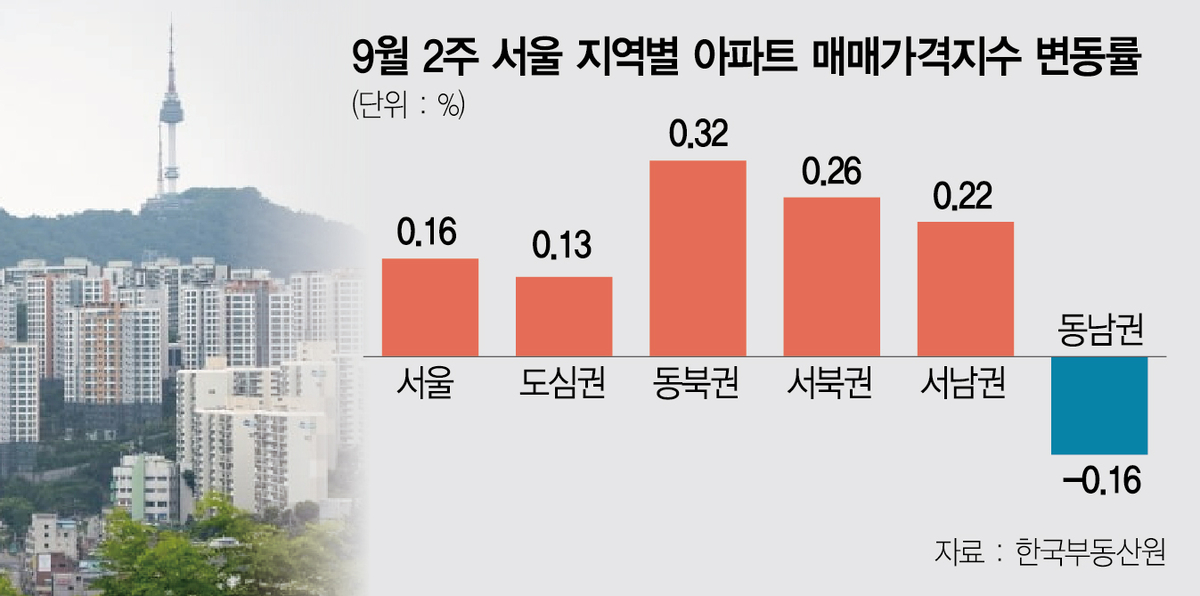
According to the Korea Real Estate Board’s data released on September 17, Seoul apartment prices rose 0.16% in the second week of September, marking the 84th consecutive weekly increase. However, the market is bifurcating: outer districts like Jungnang and Dobong surged due to demand for mid-to-low-priced homes, while Gangnam, Seocho, and Songpa fell for the sixth straight week. This divergence suggests investors are rotating out of premium areas amid tax overhaul fears and into more affordable zones.
Transaction volumes plummet despite price gains
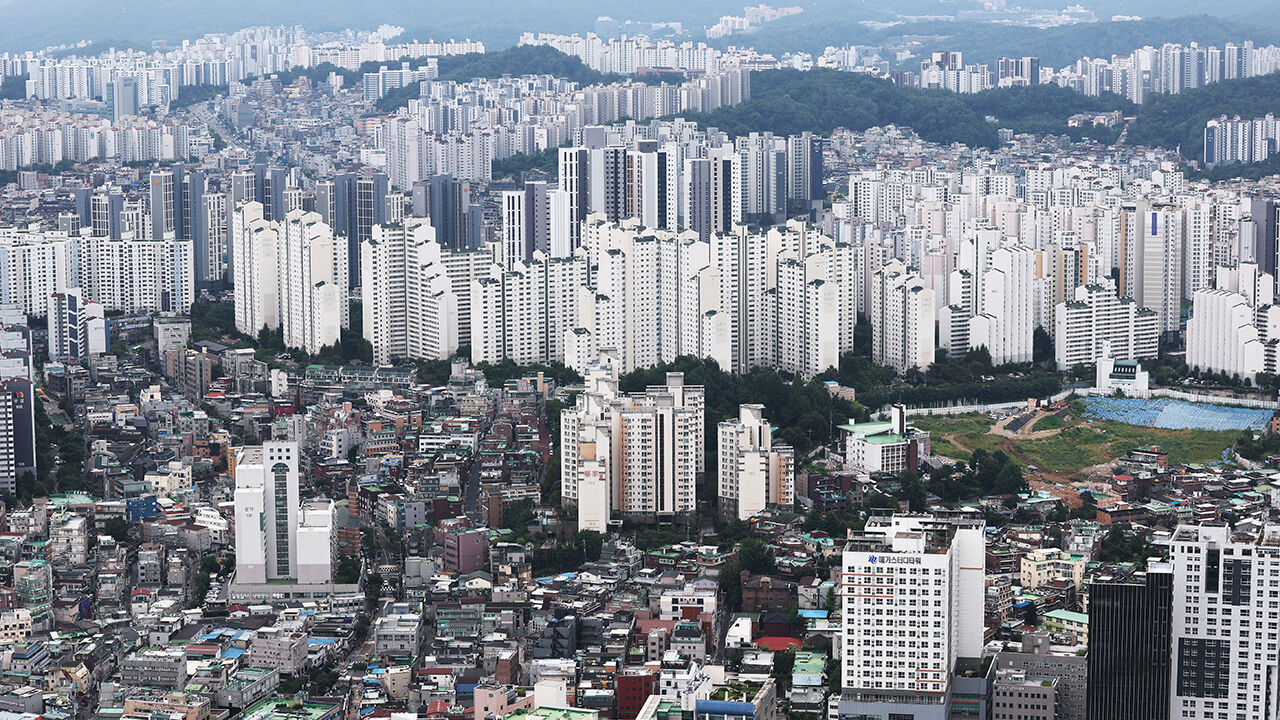
Data from the Seoul Metropolitan Government shows that while actual transaction prices rose 14.56% year-on-year in July, August transaction volumes collapsed by 46.2% compared to July. This stark disconnect—prices rising while trades freeze—indicates a market in standoff, where sellers hold out for higher prices but buyers are paralyzed by high mortgage rates and loan caps. The Seoul government highlighted this trend to underscore the effectiveness of demand-suppression policies, though critics argue it reflects severe liquidity dysfunction.
President Lee blames past administrations for supply shortage
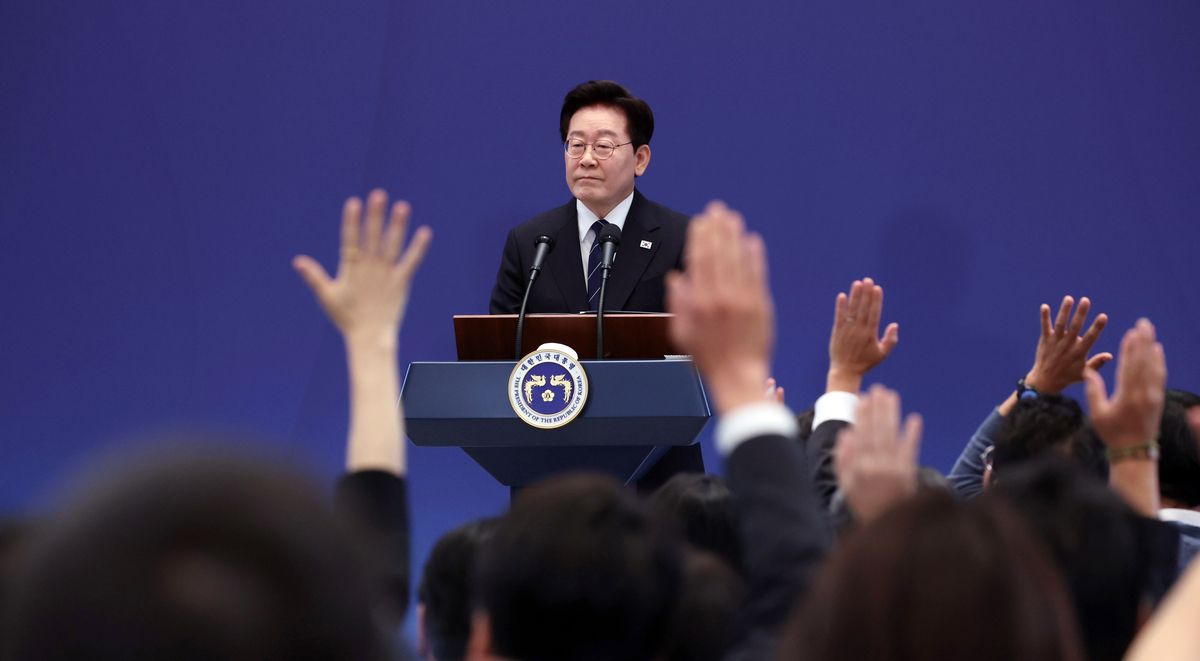
President Lee Jae-myung publicly attributed the current home price surge to a drop in housing permits since 2022, specifically naming the Yoon Suk Yeol administration and Seoul Mayor Oh Se-hoon. Lee stated that his government would expedite supply through redevelopment and new construction, aiming to "level" the market by addressing the structural shortage. Critics and opposition figures argue that blaming predecessors deflects from the immediate impact of his own administration's regulatory tightening.
Local view
Local media outlets are focusing heavily on the "divergence" narrative. Chosun Ilbo notes that while Gangnam prices slide due to heavy taxation and loan curbs, "ultra-small apartments" under 40 square meters and southeastern districts are leading a 15% year-on-year price surge. This suggests a flight to quality within affordable segments rather than a general market cooling.
Hankyung (Korea Economic Daily) highlights that 6 out of every 10 jeonse contracts in Seoul are now renewals, indicating tenants are locked in due to soaring new deposit costs. They report that the "gap investment" (buying with jeonse deposits) strategy is becoming riskier as deposit prices stabilize at highs while sale prices fluctuate.
Context & numbers
- Price Index: Seoul apartment prices +0.16% (weekly); Gangnam 3 districts negative for 6 consecutive weeks.
- Jeonse Average: 636.62 million won, a record high after 87 weeks of rises.
- Mortgage Rates: Bank mortgage rates range 4.95%–6.91%; 5-year debenture yields at 4.655%.
- Affordability: A median-income Seoul household needs 21 years to buy a mid-priced home while saving half their income.
- Sentiment: Seoul home-buying sentiment index fell 7.4 points to 132.5 in August, ending a four-month climb.
- Policy Delinquencies: Delinquency rates for "Bogeumjari" (policy) mortgages among the lowest income earners exceeded 1% in July, with long-term overdue loans up 3.9-fold since 2020.
On the radar
- Land Minister Nominee Pressure: With supply promises scrutinized, the nominee for Land Minister faces intense pressure to deliver concrete timelines for redevelopment approvals, which local stakeholders say are lagging behind rhetoric.
- Household Debt Target: Korea is nearing its household debt-to-GDP target of 80% four years early, prompting authorities to signal that lending caps (LTV/DSR) will remain strict despite political pressure to ease.
- Reconstruction Seminars: The Korea Housing Reconstruction Association is hosting sessions on navigating the August 13 policy measures, signaling that industry players are preparing for a prolonged period of tight financing and complex regulatory compliance.
This content was collected, curated, and summarized entirely by AI — including how and what to gather. It may contain inaccuracies. Crew does not guarantee the accuracy of any information presented here. Always verify facts on your own before acting on them. Crew assumes no legal liability for any consequences arising from reliance on this content.
Powered by
