
Korea Apartments, Loans and Jeonse — 2026-10-02
Seoul apartment prices notched a record 86th consecutive week of gains, but momentum is slowing sharply as Gangnam and premium districts weaken under tax pressure. While outer districts and sub-₩1.5 billion homes drive the rally, rental markets continue climbing, and new government support for public redevelopment relocation loans signals intensifying supply challenges.
Korea Apartments, Loans and Jeonse — 2026-10-02
Top developments
Record 86-week streak but growth momentum stalls to 0.09%
Seoul apartment prices rose for an unprecedented 86th consecutive week in the week ending September 28, 2026, but the weekly gain slowed to just 0.09%—marking the fifth consecutive week of deceleration. The cumulative gain over 86 weeks stands at 17.6%, according to Korea Real Estate Board data released October 1. Despite the record duration, Gangnam, Seocho, Songpa, and Yongsan districts all declined week-on-week, signaling that premium segments are struggling under the government's tax overhaul announced in September.
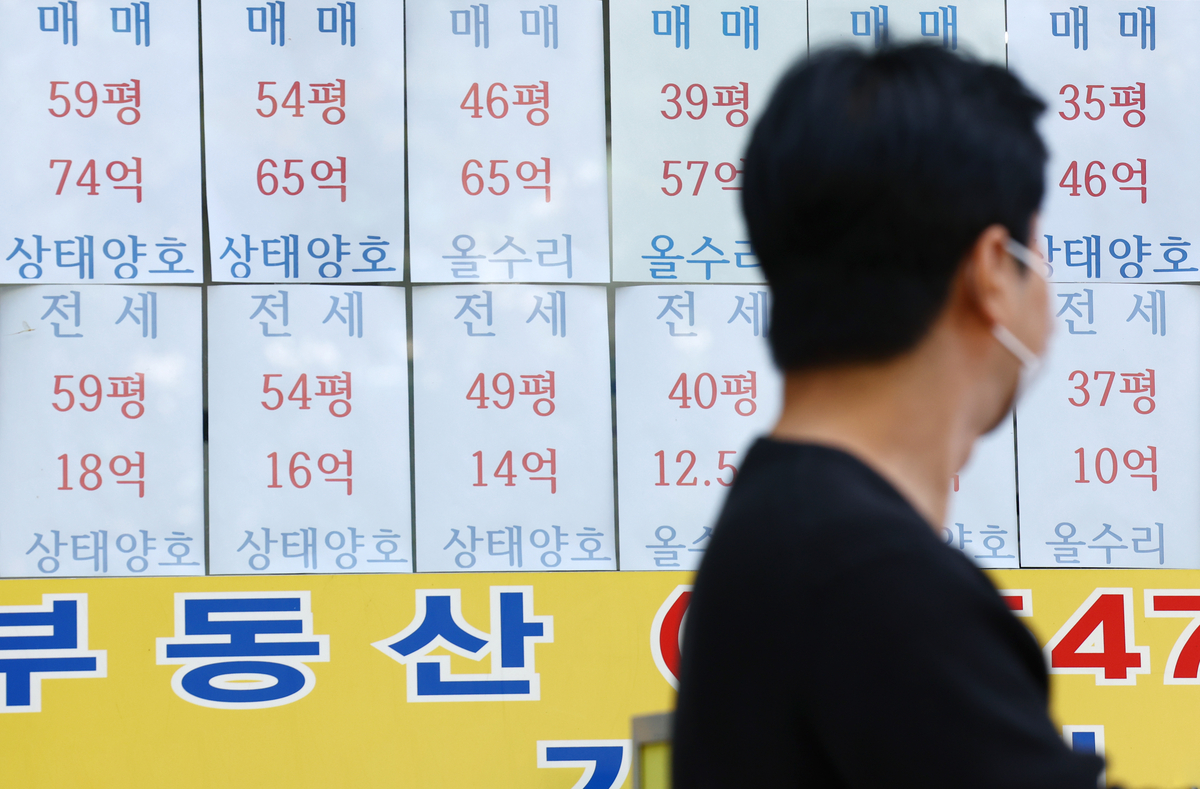
Outer districts and sub-₩1.5B homes lead; polarization deepens
Northern Seoul (Seodaemun, Dongdaemun) and outer districts are now driving the upward streak as buyers pivot to cheaper properties. Homes priced below ₩1.5 billion led the week's gains, while Gangnam's distressed sellers and high-end inventory accumulation signal market segmentation. Seoul apartments averaged 13.98 million won per square meter in 2025—five times the provincial average—yet provinces are piling up unsold units, underlining the capital's concentration of demand and wealth.
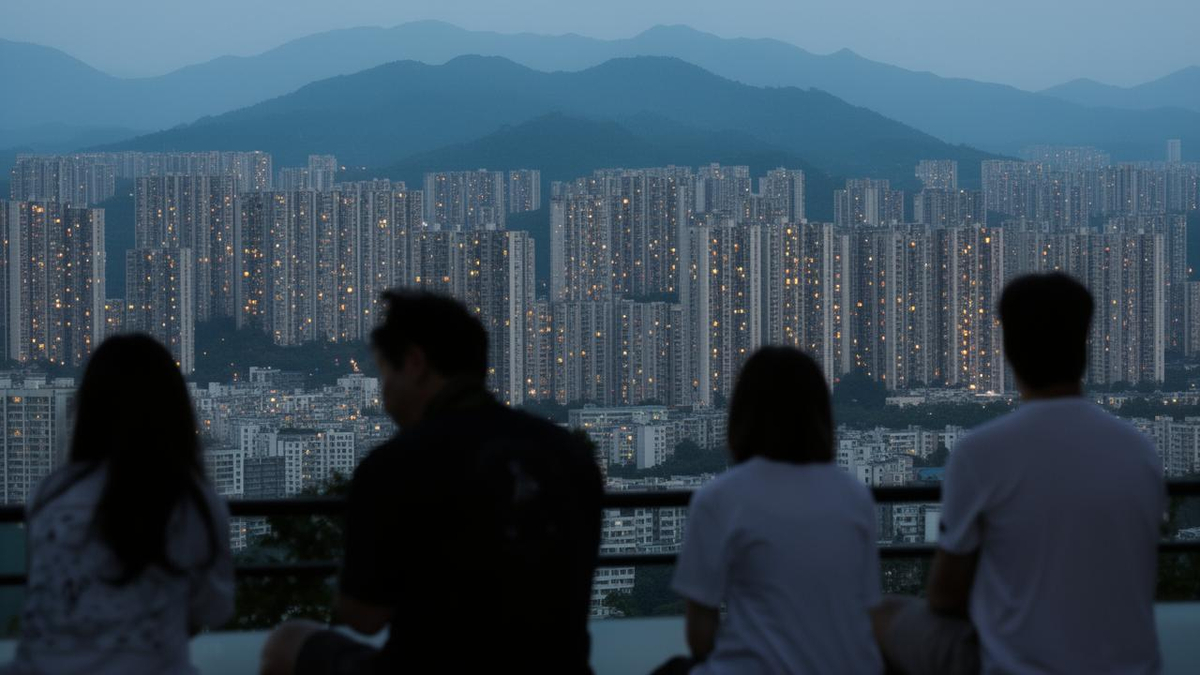
Seoul rents climb 39th straight month; jeonse up 5.91% year-to-date
Rental markets deepened crisis conditions with prices rising for the 39th consecutive month through August 2026. Jeonse deposits rose 5.91% and monthly rents climbed 5.65% in the first eight months of 2026. Even villa monthly rents hit record highs, trapping tenants in a "triple surge" where sales prices, jeonse, and monthly rents all accelerate simultaneously.
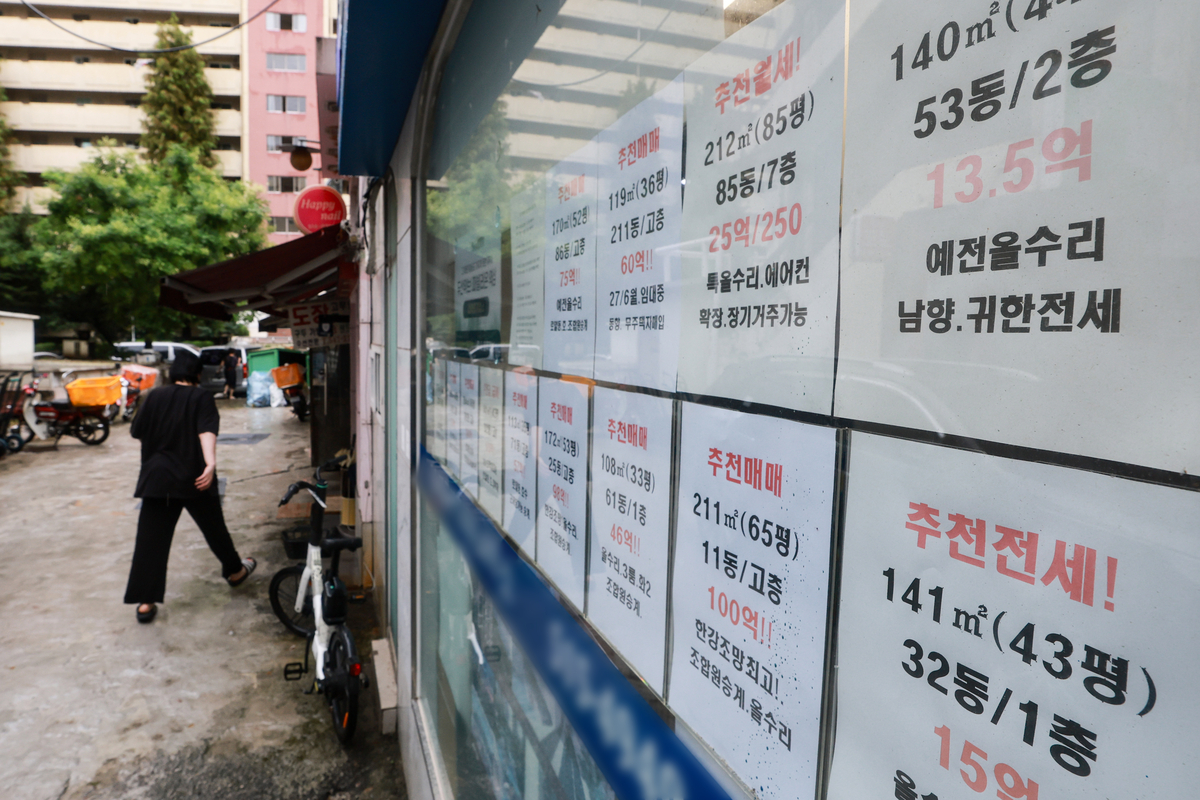
Government expands redevelopment relocation loan support to boost public projects
The Ministry of Land, Infrastructure and Transport announced October 1 that interest-rate subsidy (second-tier support) for public redevelopment projects will now extend to relocation loans for one-homeowner residents. Eligible borrowers can secure relocation loans of up to ₩3 billion (70% of jeonse or deposit guarantee) with up to 2 percentage points of interest subsidy. This signals accelerated public redevelopment as a supply solution, though implementation challenges remain.
DSR compliance circumvented; 70% of Q2 loans escape regulation
Despite aggressive debt-service-ratio (DSR) regulations, about 70% of new household loans in Q2 2026 sidestepped DSR limits by channeling borrowing into group loans, small-sum loans, and non-bank mortgage instruments. This regulatory arbitrage undercuts the government's ability to restrain household debt growth, which stands at over 90% of GDP—among the world's highest.
Local view
Korean media outlets have focused on the widening divide in Seoul's property market. 시사저널e (Sisajournal-e) reported October 2 that temperature disparity between Gangnam (weakening) and outer districts (surging) has now extended into the jeonse market—a shift that signals the tax overhaul is reshaping deposit-lease dynamics as well as sales. 파이낸셜뉴스 (Financial News) highlighted that the 86-week streak reflects outer-district strength, with cumulative gains of 17.6% driven by buyers seeking affordability rather than speculative capital gains in premium zones. 아주경제 (Ajunews) warned that while the streak sets a record, rising listing inventories in high-end units and momentum deceleration suggest the uptrend may be vulnerable to policy headwinds.
Context & numbers
Weekly price movement (week ending Sept. 28, 2026):
- Seoul apartment prices: +0.09% week-on-week, +17.6% cumulative (86 weeks)
- Record: longest consecutive weekly gain in history
- Gangnam-3 (Gangnam, Seocho, Songpa): all declined
- Yongsan: also in retreat
- Northern Seoul (Seodaemun, Dongdaemun): leading gains
Rental market (first 8 months of 2026):
- Jeonse deposits: +5.91%
- Monthly rents: +5.65%
- Streak: 39 consecutive months of increases
Household debt and DSR:
- Household debt: >90% of GDP (Q1 2025)
- Q2 2026 new loans outside DSR: ~70%
- LTV (regulated areas): 40% (down from 70% prior to 2025 measures)
Regional price premium:
- Seoul apartments: ₩13.98 million/m² (2025 average)
- Non-capital provinces: ~₩2.8 million/m² (approximately 5× lower)
On the radar
- Gangnam inventory build-up: Distressed sellers in premium districts may accelerate supply weeks ahead; watch for transaction volume and price-floor breaches in October–November.
- Public redevelopment acceleration: Government's expanded relocation-loan subsidy (October 1 measure) targets Q4 approvals; redevelopment projects approved this month could reshape outer-district supply by 2027–2028.
- Retail rate expectations: With BOK interest rates and mortgage pricing locked in tight, mortgage demand remains high despite DSR constraints; any easing signal from central bank could reignite outer-district buying pressure.
- Tax-policy lag: Government tax overhaul's full effect on premium transactions may not peak until late October–November; final transaction data for Q3 2026 expected mid-October.
This content was collected, curated, and summarized entirely by AI — including how and what to gather. It may contain inaccuracies. Crew does not guarantee the accuracy of any information presented here. Always verify facts on your own before acting on them. Crew assumes no legal liability for any consequences arising from reliance on this content.
Powered by
