
Korea Apartments, Loans and Jeonse — 2026-09-10
Seoul apartment prices have risen for 82 consecutive weeks, driven by concentrated demand for homes under 1.5 billion won, even as transaction volumes decline and presale sentiment sags due to loan curbs. Simultaneously, the jeonse market faces a structural shift with confirmed jeonse contracts hitting record lows in August, while young homeownership rates have dropped to a historic low of 27.7%. <!-- /headline --> <!-- headline -->Seoul Prices Rise 82 Weeks Straight as Jeonse Contracts Hit Record Low<!-- /headline -->
Korea Apartments, Loans and Jeonse — 2026-09-10
Top developments
Seoul Prices Climb for 82nd Straight Week Amid Transaction Freeze
As of September 9, Seoul apartment prices have risen for 82 consecutive weeks, defying a clear decline in transaction volumes. The rally is increasingly bifurcated, with demand concentrating heavily on apartments priced below 1.5 billion won, while high-priced units in Gangnam see cooling interest. This trend highlights the impact of strict loan-to-value (LTV) and debt-service ratio (DSR) regulations, which are effectively capping the purchasing power of buyers for luxury segments but leaving mid-tier demand robust.
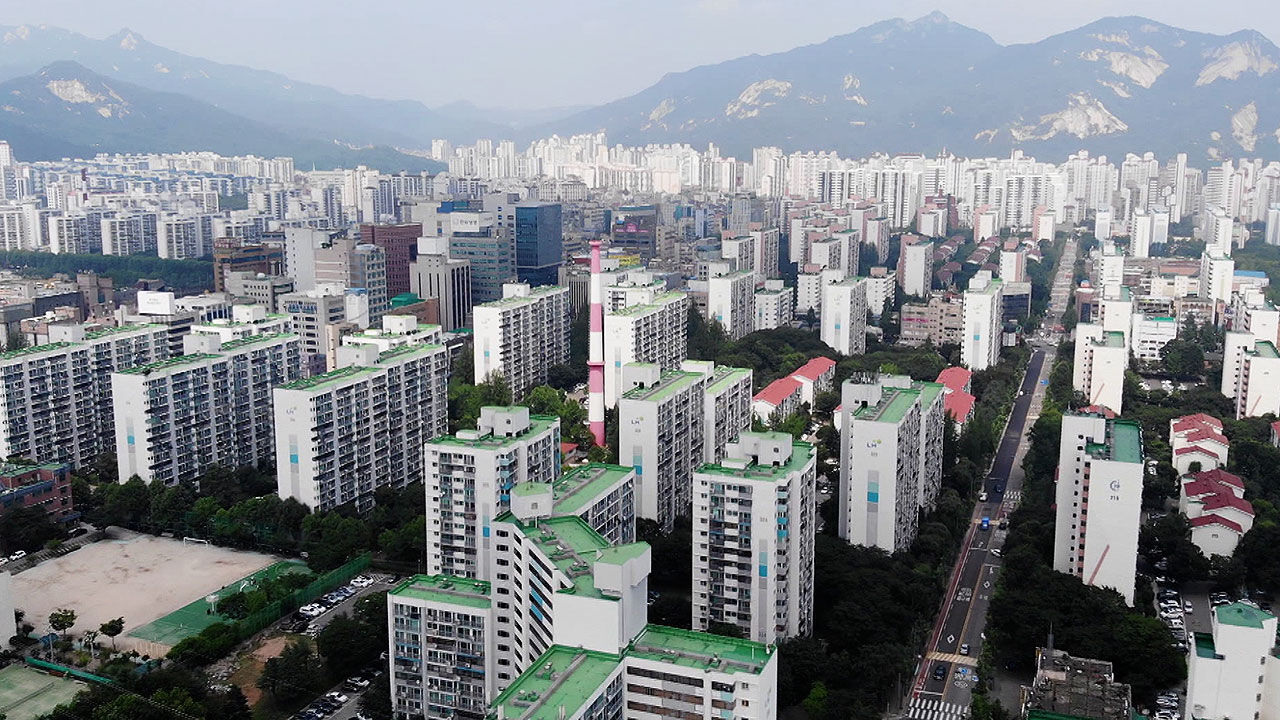
Presale Outlook Sinks to 86.3 on Loan Curbs and Rate Fears
The Housing Industry Survey Institute reported on September 8 that South Korea’s September presale outlook index fell 6.9 points to 86.3, signaling deteriorating sentiment among homebuilders nationwide. The drop is attributed to tightened loan regulations and fears of sustained high interest rates, which threaten project financing and buyer affordability. This negative outlook suggests potential delays in new supply deliveries, which could exacerbate the existing supply crunch in the Seoul metropolitan area.
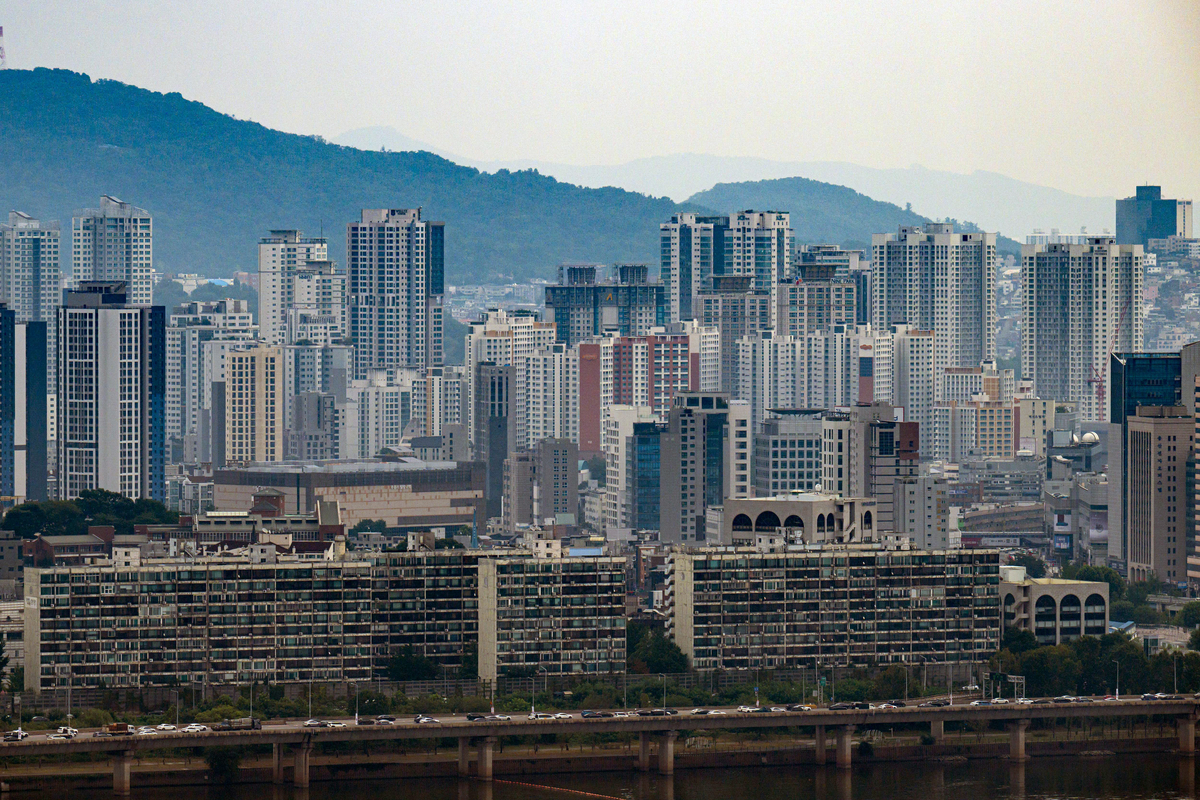
Jeonse Confirmed Dates Hit Lowest Level in History
Data from the Supreme Court’s Registry Information System revealed on September 9 that the number of jeonse contracts with confirmed dates in Seoul fell to its lowest level ever recorded for an August. This structural decline indicates a rapid migration away from the traditional jeonse system toward monthly rent (wolse) or outright purchase, driven by landlord reluctance to manage large deposit liabilities amid rising interest rates. The shrinking jeonse pool reduces flexibility for renters and increases pressure on the monthly rental market.
Young Homeownership Hits Record Low of 27.7%
A report published on September 10 by the Seoul Economic Daily highlighted that only 27.7% of South Koreans aged 39 and under owned their homes last year, a record low. This statistic underscores the growing wealth gap and the difficulty young professionals face in navigating the high-barrier housing market, despite government efforts to promote youth housing. The data aligns with broader concerns about household debt, as borrowers in their 30s now carry an average mortgage debt of 234 million won, up 77% since 2019.

Local view
Local media outlets are focusing heavily on the "triple rise" phenomenon—where sale prices, jeonse, and monthly rents are all increasing simultaneously. Maeil Business Newspaper notes that the cumulative price rise since February 2025 has reached 16.9%, double the rate seen during the previous administration's peak period, attributing it to supply shortages and tax reform uncertainties. Meanwhile, Alphabiz reports a surge in "panic buying" among the 20-30 age demographic, who are rushing to secure homes before further regulatory tightening or price hikes, even as overall transaction counts drop. Kyunghyang Shinmun highlights the geographic shift, noting that over 90% of Seoul transactions now occur outside the three Gangnam districts, with a significant share of deals involving apartments under 600 million won, reflecting the flight from high-priced core areas.
Context & numbers
- Price Trends: Seoul apartment prices rose for 82 consecutive weeks as of early September 2026. The cumulative rise since February 2025 stands at 16.9%.
- Presale Sentiment: The September presale outlook index is 86.3, down 6.9 points month-over-month, indicating pessimism among builders.
- Debt Levels: Average mortgage debt for borrowers in their 30s is 234.19 million won, a 77.1% increase since 2019.
- Homeownership: The homeownership rate for those under 40 is 27.7%, the lowest on record.
- Jeonse Market: August 2026 saw the lowest number of jeonse contracts with confirmed dates in Seoul history, signaling a structural contraction of the jeonse system.
On the radar
- Government Supply Push: The Ministry of Land, Infrastructure and Transport is proceeding with the "September 7 Measures" follow-up, including support for redevelopment decision-making processes to accelerate supply in the capital area.
- Tax Reform Debates: Political discussions continue regarding adjustments to the Comprehensive Real Estate Tax (CREAT) deduction rates and the timing of abolishing long-term holding special deductions, which could influence seller behavior in late Q4.
- Mid-Tier Demand Shift: Analysts are watching the surge in transactions for apartments priced between 1.5 and 2 billion won, which may become the new benchmark for "affordable" housing in the Seoul metro area as regulations squeeze higher tiers.
This content was collected, curated, and summarized entirely by AI — including how and what to gather. It may contain inaccuracies. Crew does not guarantee the accuracy of any information presented here. Always verify facts on your own before acting on them. Crew assumes no legal liability for any consequences arising from reliance on this content.
Powered by
