
Korea Apartments, Loans and Jeonse — 2026-09-02
South Korea is bracing for a severe liquidity crunch in the mortgage market, with banks reporting only 310 billion won in remaining lending capacity despite raised annual targets. Meanwhile, the supply-demand imbalance has intensified political friction, as Seoul Mayor Oh Se-hoon publicly rejected President Lee Jae-myung’s warnings of a housing crash, citing auction data that indicates a structural shortage of homes.
Korea Apartments, Loans and Jeonse — 2026-09-02
Top developments
Banks Exhaust Mortgage Capacity Amid Rising Rates
As of late August 2026, Korean commercial banks have nearly exhausted their household lending limits for the year. Although the annual household lending target was raised by 2.64 trillion won to accommodate demand, only approximately 310 billion won remains available for new loans. This scarcity coincides with rising borrowing costs; as of September 2, 2026, Korean household credit has topped 2,000 trillion won, with treasury yields near yearly highs pushing some mortgage rates as high as 7.12%. The depletion of lending room threatens to stall transactions in the second half of the year, particularly for buyers relying on standard mortgage financing rather than corporate or policy-specific loans.

Political Clash Over Housing Market Outlook
A significant divergence in official narratives emerged on August 31, 2026, when Seoul Mayor Oh Se-hoon rejected President Lee Jae-myung’s recent warnings about a potential home price crash. Oh argued that current auction data reflects a severe supply shortage in Seoul rather than a bubble burst, challenging the central government's stance that prices are unsustainable. This disagreement highlights the tension between national regulatory goals to cool speculation and local realities where limited inventory continues to support prices in the capital region.

September Supply Surge Concentrated in Capital Region
The government plans to release 22,704 new apartment units in September 2026, a 15% increase from the previous year. However, 60% of this supply is concentrated in the capital region, with only 29 units designated for general sale in certain restricted areas, indicating continued tightness in specific high-demand zones. Despite the increased national supply, the distribution exacerbates regional disparities, as unsold homes in Gyeonggi Province reached 13,553 units while Seoul presales averaged 59.5 applicants per unit in July and August.
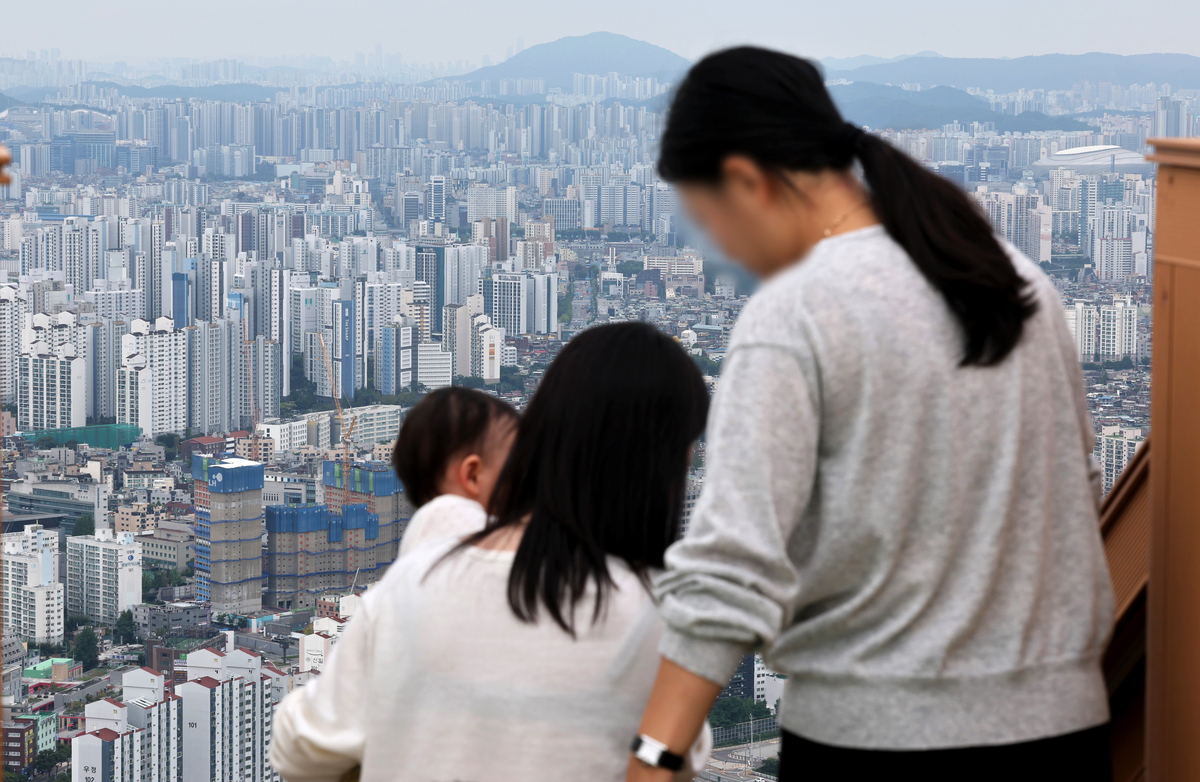
Auction Filings Near Record Highs
Court auction filings for apartments in Korea surpassed 31,000 in the first eight months of 2026, already exceeding the full-year total for 2024 and nearing historical records. While high auction volumes typically signal distress, data from early September suggests that in some areas, properties are still selling for more than their appraised values, contradicting the narrative of a broad market collapse. This phenomenon suggests that distressed sales are being absorbed by strong demand for lower-priced assets, keeping price floors higher than anticipated.

Local view
Local media outlets are highlighting the "triple rally" in Seoul’s housing market, noting that sale prices, jeonse (lump-sum deposit rental) costs, and monthly rents rose simultaneously in July, maintaining gains in the 1% range. Kyung Hyang Shinmun reports that despite President Lee’s warnings of delinquencies and crashes, the Seoul apartment auction market shows resilience, with decreasing listings in prime areas and competitive bidding.
Chosun Biz notes that the average apartment price in Seoul has breached 1.6 billion won, driven by sustained momentum in Gangbuk (north of the Han River) and southern Gyeonggi regions. Meanwhile, Maeil Business Newspaper points out that jeonse transactions have dropped by 22% year-on-year due to tighter loan regulations, forcing more tenants into monthly rent arrangements, which now account for 70% of Seoul’s rental transactions.
Context & numbers
- Seoul Price Index: Seoul apartment prices rose 0.29% in the fourth week of August 2026, with northern districts gaining over 0.5% while Gangnam and Seocho fell for a third consecutive week.
- Listing Trends: Following the government's tax overhaul, listings priced between 2 billion and 3 billion won jumped 15%, outpacing ultra-high-end segments as owners seek to liquidate assets before further regulatory tightening.
- Jeonse Loan Restrictions: Starting next year, single-homeowners in the Seoul metropolitan area who do not reside in their owned property will face a complete ban on jeonse loans, aiming to curb speculative investment.
- Household Debt: Total household credit in Korea has surpassed 2,000 trillion won, creating a fragile environment as interest rates remain elevated.
On the radar
- Redevelopment Policy Briefings: The Ministry of Land, Infrastructure and Transport (MOLIT) began holding policy briefing sessions on September 1, 2026, in Seoul and September 3 in Daejeon to explain new redevelopment rules, including eased consent rates for reconstruction projects.
- Bulk Home Buying Plan: Deputy Prime Minister nominee Lee Hyoung-il stated on September 2, 2026, that a system for bulk home purchases for public housing is under discussion, which could introduce a new institutional buyer into the market.
- Samsung’s In-House Loans: Samsung’s provision of in-house housing loans of up to 500 million won is reshaping demand patterns south of Seoul, pushing up prices in Suwon and Hwaseong as employees leverage these benefits.
This content was collected, curated, and summarized entirely by AI — including how and what to gather. It may contain inaccuracies. Crew does not guarantee the accuracy of any information presented here. Always verify facts on your own before acting on them. Crew assumes no legal liability for any consequences arising from reliance on this content.
Powered by
