
Korea Apartments, Loans and Jeonse — 2026-10-18
Seoul apartment prices have extended their record-breaking rally to 88 consecutive weeks, driven by a shift in demand toward affordable outer districts and Gyeonggi suburbs as central Seoul curbs bite. Jeonse deposit costs have surged to a decade-high, while the government rules out new loan restrictions and aims for 136,000 housing starts in the capital region this year.
Korea Apartments, Loans and Jeonse — 2026-10-18
Top developments
Seoul Apartment Prices Rise for Record 88th Straight Week
As of October 15, Seoul apartment prices have climbed for 88 consecutive weeks, marking the longest winning streak on record despite stringent government housing curbs. The gains are now led by affordable districts in outer Seoul and nearby Gyeonggi Province areas, while Gangnam and Seocho have seen prices fall for 10 straight weeks. This divergence highlights how buyer demand is migrating toward more affordable homes as loan-to-value (LTV) restrictions tighten in premium zones.

Jeonse Deposit Costs Hit 10-Year High Amid Supply Shortage
Jeonse prices in Seoul have surged to a 10-year high, driven by a lack of rental supply and rising interest rates for deposit loans. The shortage of jeonse and monthly rent homes has worsened, with jeonse households' monthly interest costs jumping 144.2% compared to 2019 levels. This trend is pushing more tenants toward monthly rent (wolse) or buying cheaper homes, further straining the transaction market.

Government Rules Out New Loan Curbs, Targets 136,000 Starts
The Ministry of Land, Infrastructure and Transport (MOLIT) stated on October 16 that it is not currently considering additional loan regulations, signaling a pause in regulatory tightening. Instead, the focus has shifted to boosting supply, with a target of up to 136,000 housing starts in the greater Seoul area by year-end. Officials noted that housing permits in Seoul jumped 74% over the last six months, suggesting supply-demand conditions may improve by 2028.
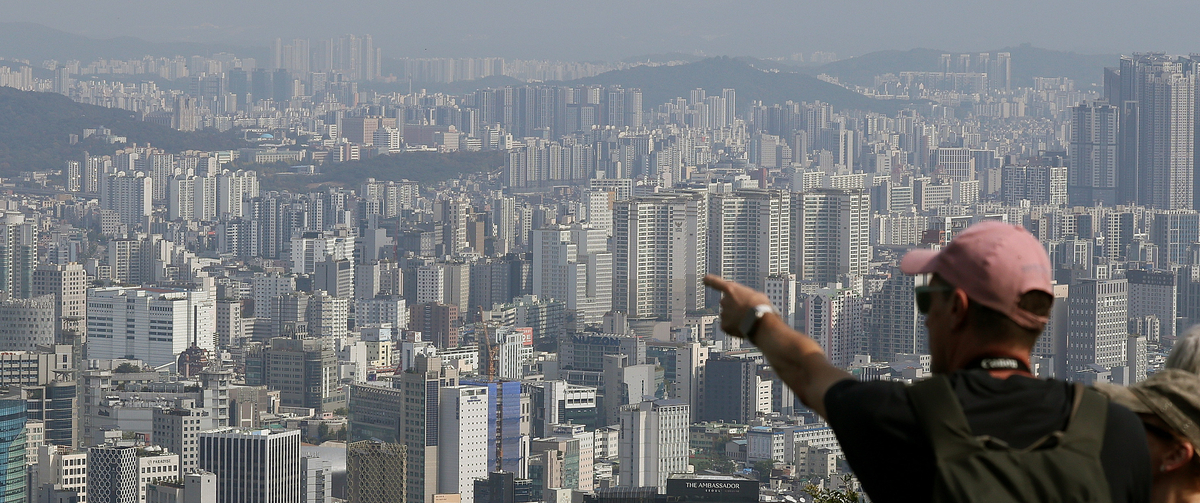
Semiconductor Belt Buying Spills into Unregulated Suburbs
Housing demand from the semiconductor industrial belt is spilling over into unregulated suburbs like Gunpo and Byeongjeom. Gyeonggi Province apartment prices rose 0.26% in the week of October 12, outpacing Seoul’s gains, as buyers priced out of high-cost zones like Dongtan shift to these areas. This migration is creating new price pressure in regions previously considered stable or affordable.
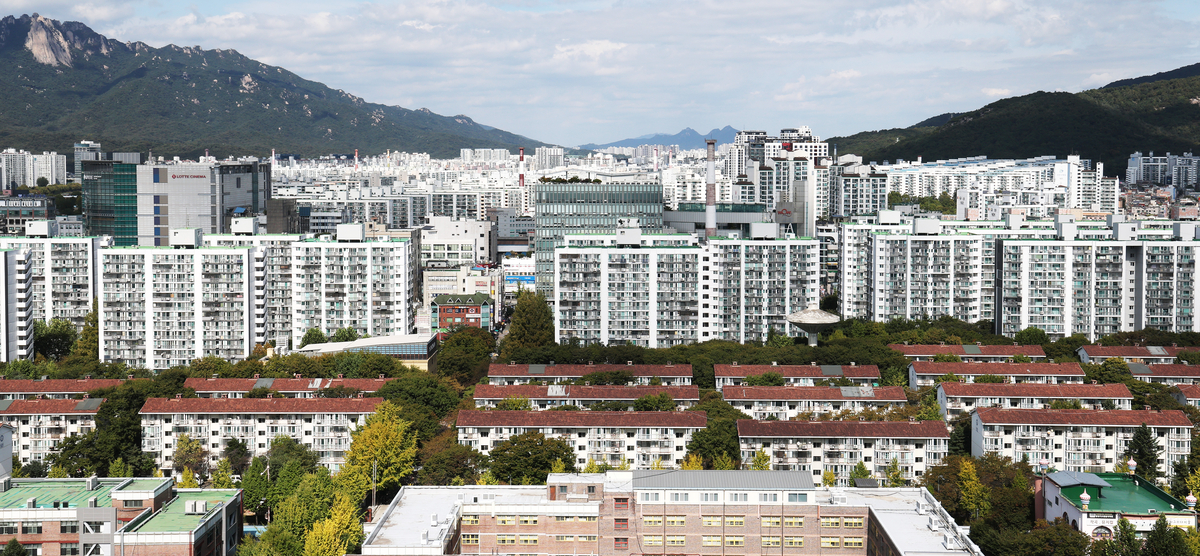
Average Seoul Apartment Price Hits 1.7 Billion Won
One year after the October 15 real estate measures, the average sales price of apartments in Seoul has surpassed 1.7 billion won. This milestone underscores the growing difficulty for average households to achieve homeownership, even as speculative demand in premium areas has been curbed. The policy's mixed results have led to a "market split," with Gangnam loan ratios halving while outer Seoul and southern Gyeonggi prices continue to rise.
Local view
Money Today (MoneytoDay) Local media highlight a growing disconnect between sellers and buyers. While sellers in Gangnam are holding out for peak prices ("high-price hold"), buyers are waiting for further adjustments, leading to a transaction freeze. The publication notes that while Gangnam sees a slowdown, the price increase momentum is shifting to outer districts like Nowon and Geumcheon, where demand remains resilient.
Donga Ilbo Following a parliamentary audit, critics from the opposition People Power Party questioned the government's transparency, suggesting that potential reductions in weekly price data publication might be an attempt to hide uncomfortable statistics regarding jeonse shortages and price rises. The debate centers on whether the current data accurately reflects the severity of the rental market stress.
Context & numbers
- Weekly Price Movement: Seoul apartment prices rose for the 88th consecutive week as of October 15. Gangnam and Seocho prices have fallen for 10 straight weeks, while Gyeonggi Province outpaced Seoul with a 0.26% weekly gain.
- Housing Starts: Approximately 99,000 homes have broken ground in greater Seoul so far this year, less than 40% of the annual target. The government aims for 136,000 starts by year-end, acknowledging a potential shortfall of up to 50,000 units against the original 268,000-unit target.
- Jeonse Market: Seoul jeonse prices have risen 8.55% this year, with listings falling 15.8%. Jeonse contract renewal rates in Seoul reached 51.09% in Jan-Sep, a 20 percentage point increase from two years ago, indicating tenants are staying put due to affordability issues.
- Policy Score: At the 500-day mark of the Lee Jae-myung administration, real estate experts gave the housing policy an average score of 45 out of 100, citing that Seoul home prices surged 18% despite measures intended to stabilize them.
On the radar
- Year-End Land Transaction Permit Review: The government will decide by year-end whether to extend the land transaction permit zones (Toheoje) that currently cover all of Seoul and 12 Gyeonggi areas. This decision will be based on market monitoring through December.
- Urban Redevelopment Funding: The Ministry of Land is expanding loan limits for relocation costs for residents in redevelopment projects to ease financial burdens on private re-development associations.
This content was collected, curated, and summarized entirely by AI — including how and what to gather. It may contain inaccuracies. Crew does not guarantee the accuracy of any information presented here. Always verify facts on your own before acting on them. Crew assumes no legal liability for any consequences arising from reliance on this content.
Powered by
