
Korea Apartments, Loans and Jeonse — 2026-09-04
Seoul’s apartment market is bifurcating sharply as Gangnam and Seocho record their fourth consecutive week of price declines while northern districts like Seongbuk and Dobong surge. Amidst this divergence, transaction volumes have collapsed to 2026 lows due to stringent loan curbs, prompting the government to consider emergency bulk public purchases of homes should prices crash.
Korea Apartments, Loans and Jeonse — 2026-09-04
Top developments
Gangnam Declines for Fourth Week as Northern Seoul Surges
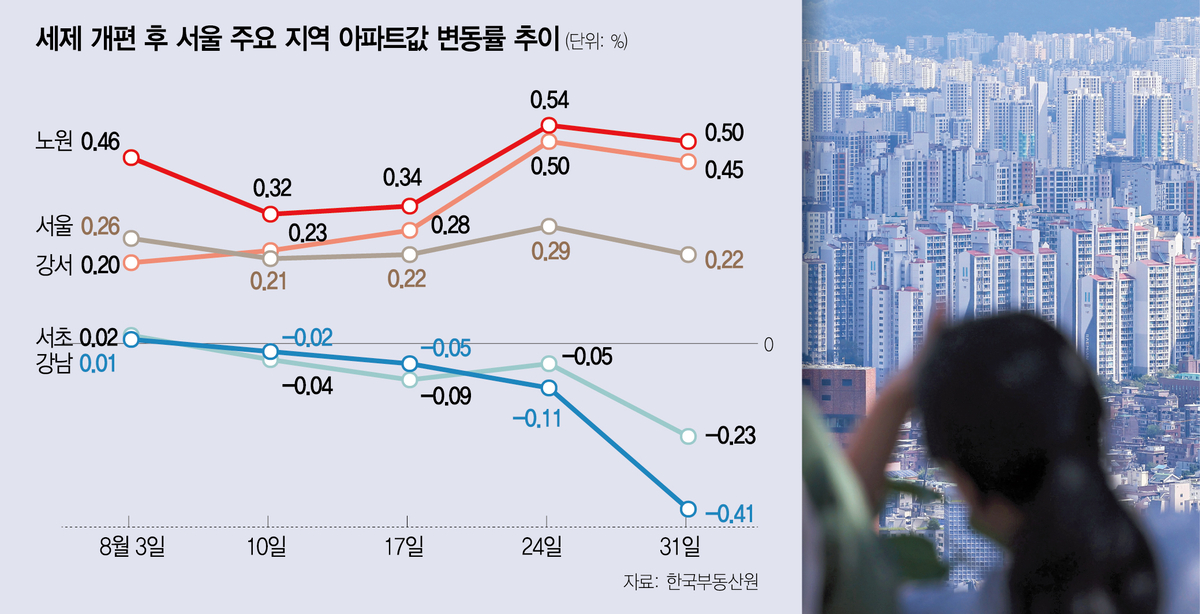
One month after the August 3 tax overhaul, the divide in Seoul’s housing market has widened significantly. According to data released on September 3, apartment prices in Gangnam and Seocho fell for a fourth straight week, while districts north of the Han River, including Seongbuk, gained approximately 0.5%. This trend reflects buyers shifting away from high-priced areas burdened by new tax regulations toward more affordable mid-tier neighborhoods.
Transaction Volumes Hit 2026 Lows Amid Loan Curbs
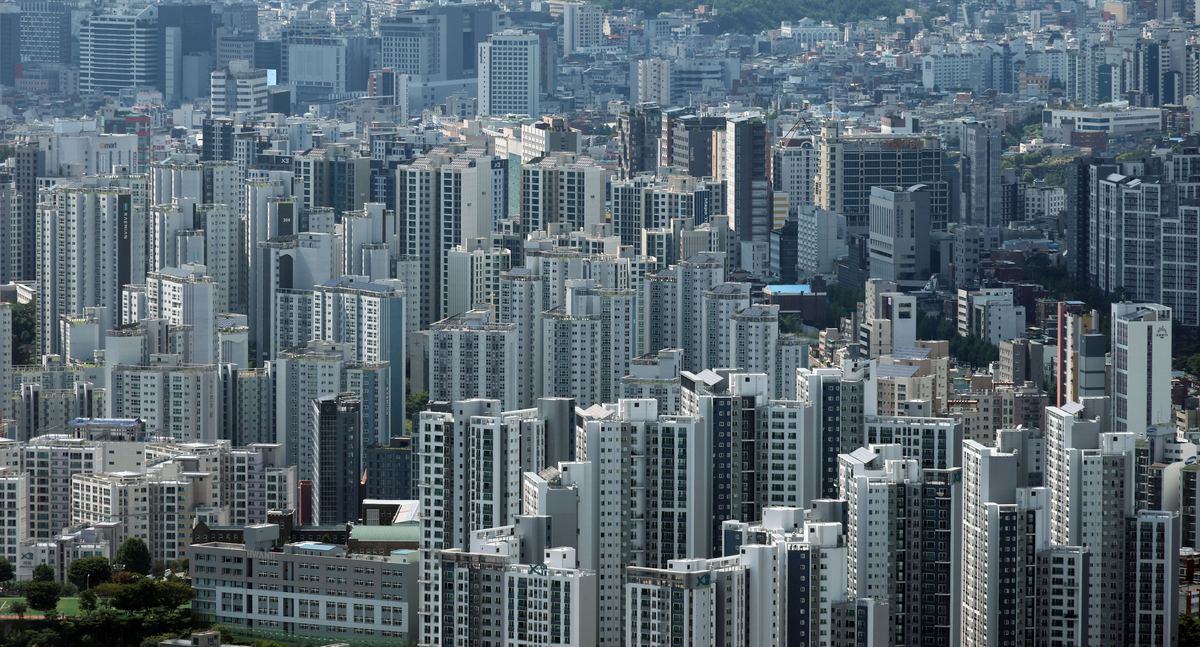
The cooling effect of regulatory measures is evident in transaction data reported on September 3. Seoul land transaction permit filings dropped to 3,538 in August, the lowest level recorded in 2026. In Gangnam specifically, filings plunged 77%, driven by a combination of tightened loan ceilings, rising interest rates, and uncertainty surrounding the new tax regime. This freeze in activity suggests that while prices in some areas remain sticky, liquidity has evaporated.
Government Weighs Bulk Public Home Purchases
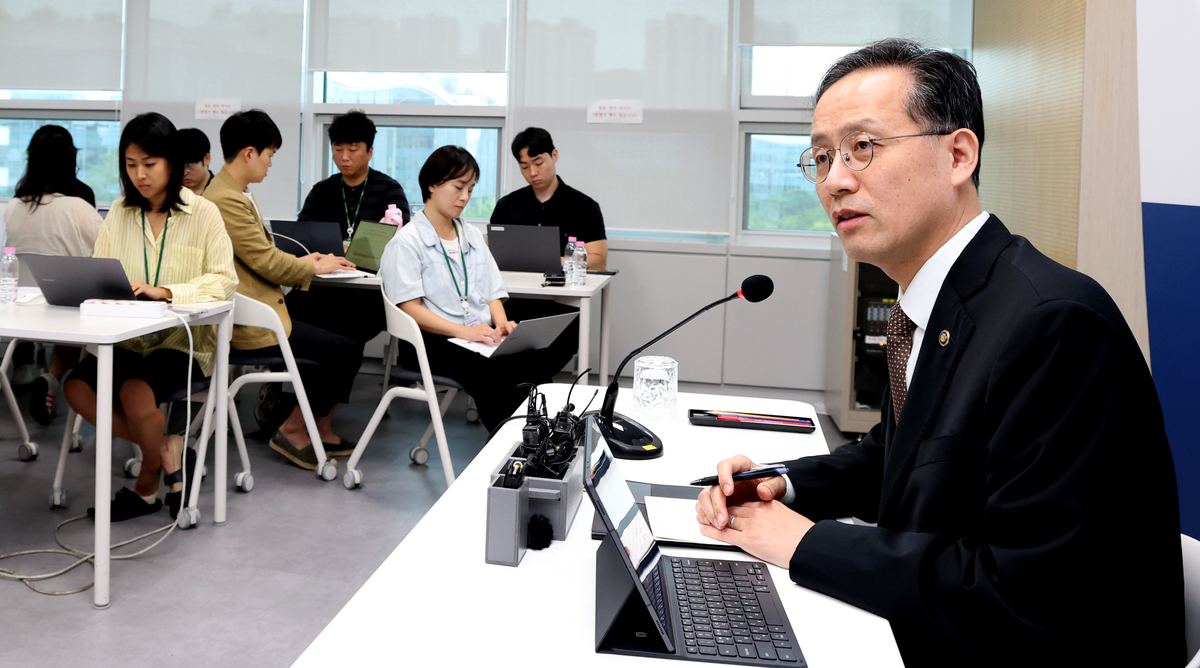
In a significant policy signal, Deputy Prime Minister nominee Lee Hyung-il stated on September 3 that ministries are actively discussing a mechanism for the government to purchase homes in bulk if prices crash. This contingency plan aims to stabilize the market by absorbing excess supply during a downturn, marking a shift from purely demand-side restrictions to potential supply-side intervention.
Household Debt Tops 2,000 Trillion Won as Rates Rise
Financial pressure on borrowers is intensifying. As of September 2, Korean household credit surpassed 2,000 trillion won. With treasury yields near yearly highs, mortgage rates have climbed to as much as 7.12%, significantly increasing the debt service burden for households already strained by high property valuations.

Local view
Korea Economic Daily (Sedaily) highlights the stark regional disparity, noting that the "tax overhaul" is successfully suppressing prices in wealthy enclaves but causing spillover demand into northern and outer districts. The outlet emphasizes that this bifurcation complicates policy responses, as blanket measures may overheat weaker markets while failing to cool stronger ones adequately.
Hankyung reports that real end-users are increasingly moving from jeonse (lump-sum deposit) rentals to buying mid-to-low priced apartments in Seoul to escape rental instability. This behavioral shift supports prices in non-Gangnam areas despite broader market slowdowns.
Context & numbers
- Weekly Price Movements: Seoul average apartment prices rose slightly overall, but with significant internal variance. Seongbuk gained 0.54% while Gangnam fell 0.41% in the latest weekly data (Aug 31–Sep 3).
- Transaction Volume: August land transaction permits in Seoul: 3,538 (lowest in 2026). Gangnam filings down 77% year-on-year/month-on-month context.
- New Supply: Korea will offer 33,268 new apartment units for presale in September, the highest number in nearly three years. However, only 244 units are located within Seoul city limits, highlighting the continued supply shortage in the capital.
- Interest Rates: Korea’s 3-year treasury yield hit 3.93% on September 3, pushing some mortgage rates toward 7.12%.
On the radar
- Jeonse Loan Restrictions: Starting next year, single-homeowners in the Seoul metropolitan area who do not reside in their owned homes will face a complete ban on jeonse loans. This measure, part of the Aug 13 package, aims to curb investment-driven rental arbitrage.
- Youth Housing Supply: The government plans to supply 20,000 ultra-cheap public rental homes outside the capital region at approximately 30,000 won per month, backed by a 1.4 trillion won budget. This targets young demographics to reduce pressure on the Seoul rental market.
- Redevelopment Policy Briefings: The Ministry of Land, Infrastructure and Transport is holding policy briefings in Seoul (Sept 1) and Daejeon (Sept 3) to explain streamlined procedures for redevelopment projects and financial support mechanisms like relocation loan assistance.
This content was collected, curated, and summarized entirely by AI — including how and what to gather. It may contain inaccuracies. Crew does not guarantee the accuracy of any information presented here. Always verify facts on your own before acting on them. Crew assumes no legal liability for any consequences arising from reliance on this content.
Powered by
