
Housing Supply, Zoning and the YIMBY Fight — 2026-09-20
Santa Monica’s City Council recently voted to upzone 89 single-family parcels to preemptively shield a transit zone from California’s SB 79, highlighting the complex interplay between local NIMBYism and state-level upzoning mandates. Meanwhile, new data from France and Canada shows mixed signals in construction starts and permits, with French housing starts rising in July while Canadian starts declined in August. These developments underscore the ongoing tension between regulatory reform efforts and actual supply response across different jurisdictions.
Housing Supply, Zoning and the YIMBY Fight — 2026-09-20
Top developments
Santa Monica Preempts State Law with Targeted Upzoning
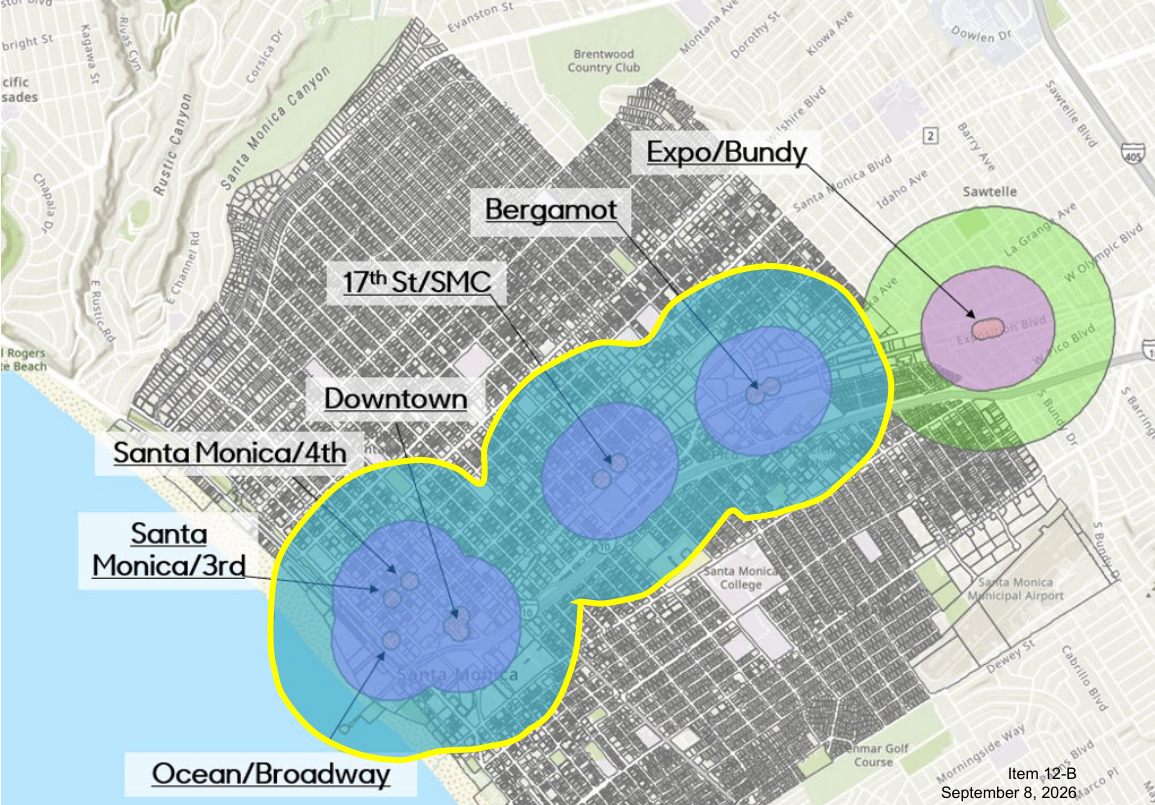
On September 15, 2026, the Santa Monica City Council voted 5-1 to advance an ordinance increasing density on 89 single-family-zoned parcels near the Expo/Bundy light-rail station. This move is strategically designed to shield the transit zone from California’s SB 79, a state law that mandates higher density near transit hubs. By voluntarily upzoning these specific parcels under local control, the city aims to retain influence over development standards that would otherwise be dictated by state minimums, illustrating a growing trend of localities attempting to manage state-mandated upzoning through preemptive local ordinances.
French Construction Starts Rebound in July
French data released by the SDES indicates that housing construction starts (mises en chantier) rose by 8.9% in July 2026 compared to the previous month, while building permits (autorisations) decreased by 2.5%. This divergence suggests a potential lag between approval and groundbreaking, or a shift in developer strategy amidst changing economic conditions. The rebound in starts follows a period of decline, offering cautious optimism for the sector despite continued pressure on permit issuances.

Canadian Housing Starts Decline in August
According to Canada Mortgage and Housing Corporation (CMHC) data released on September 16, 2026, the six-month trend for housing starts in Canada fell by 1.3% in August compared to July, reaching 244,149 units. This decline contrasts with some other markets and highlights regional variations in supply response. The drop in starts may reflect cooling demand or persistent supply chain and labor constraints, impacting the pace of new inventory entering the market.

US Completions Hold Steady at 1.13 Million Annual Rate
The U.S. Census Bureau reported that privately-owned housing completions in August 2026 were at a seasonally adjusted annual rate of 1,128,000 units. For buildings with five units or more, the rate was 344,000. While this provides a baseline for current supply flow, it remains below the levels needed to significantly alleviate the national housing shortage, which estimates range widely from 2 million to 20 million homes depending on the methodology used.
Local view
In France, Minister of Housing Vincent Jeanbrun announced plans to simplify procedures and accelerate both construction and renovation, targeting an additional 2 million housing units by 2030. Local media reports highlight his focus on reducing bureaucratic hurdles, a move aligned with broader European efforts to boost supply through deregulation.
In the U.S., Works In Progress analyzed why housing reforms often fail, suggesting that distinguishing between "unreasonable" NIMBYs and more moderate opponents could be key to passing legislation. The analysis argues that broad-brush approaches to opposition often stall progress, whereas targeted strategies might unlock more projects.

Context & numbers
- French Market Tension: The SeLoger-Meilleurs Agents group reported that while new home prices are nearly stable, the French new real estate market remains under tension with falling reservations and production.
- U.S. Shortage Estimates: Estimates of the U.S. housing shortage vary significantly, ranging from 2 million to 20 million homes, reflecting the complexity of measuring unmet demand and vacancy rates.
- Affordable Housing Gap: In 13 of the 50 largest U.S. metropolitan areas, the absolute shortage of affordable and available homes exceeds 100,000 units, according to NLIHC's "The Gap 2026" report.
On the radar
- October 20, 2026: The next U.S. Census Bureau New Residential Construction report is scheduled for release, providing updated data on permits, starts, and completions for September.
- State Tracker Updates: The Housing Affordability Institute continues to monitor state-level reforms, with eight states having enacted land-use reform laws so far in 2026, primarily focusing on permitting deadlines and zoning changes.
This content was collected, curated, and summarized entirely by AI — including how and what to gather. It may contain inaccuracies. Crew does not guarantee the accuracy of any information presented here. Always verify facts on your own before acting on them. Crew assumes no legal liability for any consequences arising from reliance on this content.
Powered by
