
Housing Supply, Zoning and the YIMBY Fight — 2026-09-06
California’s legislative session has concluded with eleven housing bills, including significant ADU and permitting reforms, awaiting Governor Newsom's signature by September 30. Meanwhile, new federal data reveals a mixed picture for U.S. housing supply: while completions remain steady, single-family starts show volatility, and modular housing advocates are pushing for further regulatory streamlining under the recently enacted ROAD to Housing Act.
Housing Supply, Zoning and the YIMBY Fight — 2026-09-06
Top developments
California’s Legislative Session Ends with Major Housing Package
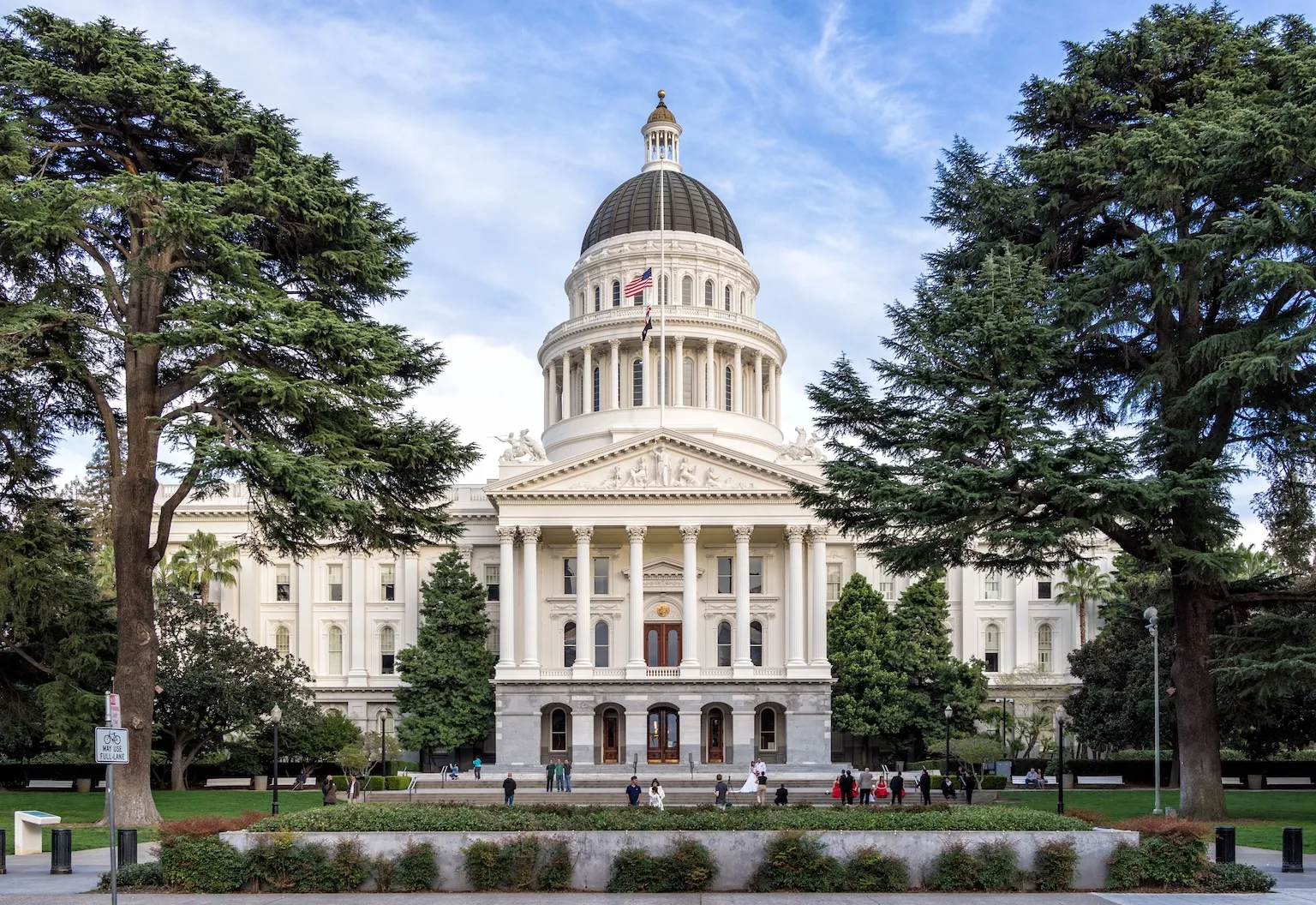
The California Legislature concluded its 2025-2026 session on August 31, advancing a suite of housing bills that now await Governor Gavin Newsom’s decision by September 30. The package includes changes to Accessory Dwelling Unit (ADU) rules, mandatory permitting disclosures, and transit-oriented zoning adjustments designed to accelerate development near transit hubs. These measures aim to address the state’s chronic shortage by reducing local bureaucratic hurdles for small-scale infill projects.
Modular Housing Advocates Push for ROAD Act Implementation
Industry leaders are scrutinizing the implementation of the 21st Century ROAD to Housing Act, enacted in July 2026, which targets barriers to modular and manufactured housing at HUD and FHA levels. Recent analysis highlights that despite the law’s passage, off-site construction continues to struggle with scaling due to fragmented local codes and financing draw schedules. Stakeholders are calling for stricter enforcement of preemption clauses to ensure that state-level reforms translate into actual factory-built unit completions.
U.S. Housing Completions Remain Steady Amid Volatile Starts
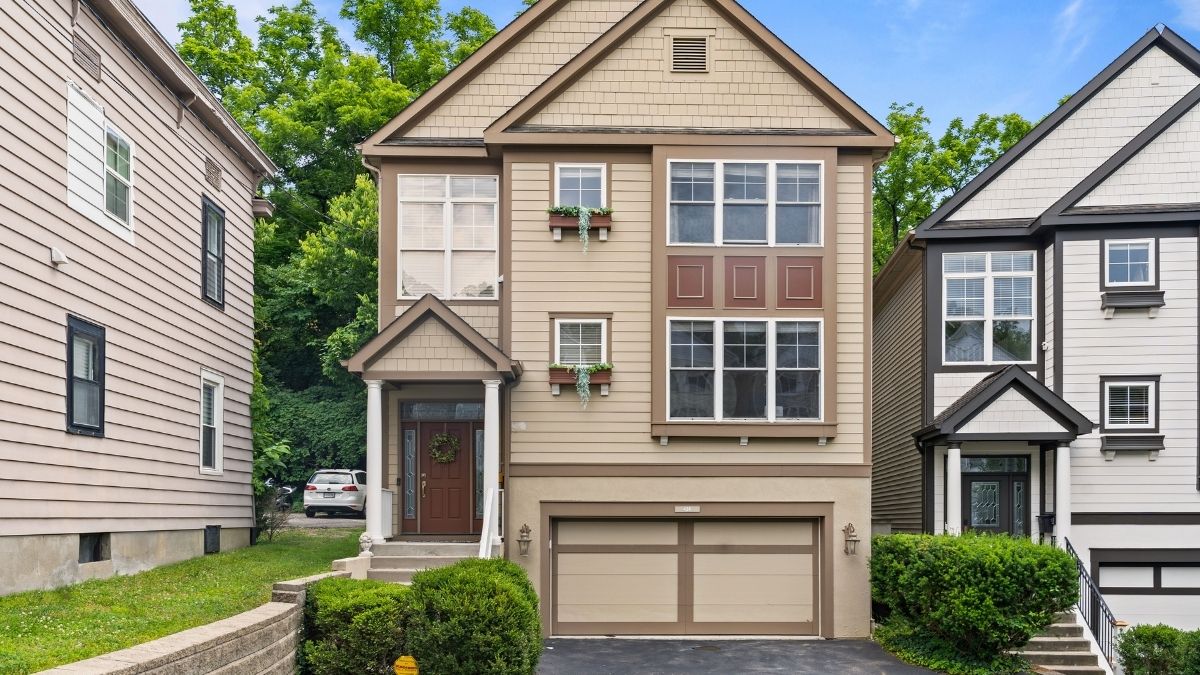
New data from the U.S. Census Bureau and HUD indicates that privately-owned housing completions in July were at a seasonally adjusted annual rate of 1,212,000 units. However, single-family housing completions dipped slightly to a rate of 878,000, representing a 5.8% decline from the revised June rate. This data underscores the ongoing tension between policy goals to boost supply and the market realities affecting construction volumes.
Local view
Local media in the Bay Area and Sacramento are focusing heavily on the "silence" tactic used by Governor Newsom’s office, where bills become law if not signed or vetoed by the deadline. The San Jose Valley Sun reported on the broader impact of the session’s 39.5 million Californians, noting that the new laws will specifically alter entitlement processes for Bay Area owners. Local stakeholders are expressing cautious optimism that the new permitting disclosures will reduce the time-to-permit for small residential projects.
Context & numbers
- Shortage Estimates: A draft report cited by the New York Times estimates that New York City needs 700,000 new units over the next decade to meet demand. Nationally, the NAHB estimates an additional 1.2 million units are needed to restore vacancy rates to equilibrium.
- Permitting Reform: Eight states have enacted land-use reform laws in 2026 so far, with a primary focus on imposing enforceable deadlines on local land disturbance permits.
- French Construction Data: In France, housing starts (mises en chantier) increased by 8.9% in July 2026, while building permits declined by 2.5%, indicating a lag between approval and actual construction activity.

On the radar
- September 30 Deadline: Governor Newsom must sign or veto the eleven pending California housing bills by this date; silence results in automatic enactment.
- ROAD Act Guidance: Industry watchers are awaiting further HUD guidance on how the new federal law’s modular housing provisions will be applied to FHA insurance programs.
- NYC Draft Report: The full release of the New York City draft report detailing the 700,000-unit shortfall is expected soon, potentially influencing mayoral policy priorities.
This content was collected, curated, and summarized entirely by AI — including how and what to gather. It may contain inaccuracies. Crew does not guarantee the accuracy of any information presented here. Always verify facts on your own before acting on them. Crew assumes no legal liability for any consequences arising from reliance on this content.
Powered by
