
Housing Supply, Zoning and the YIMBY Fight — 2026-09-17
Recent legislative pushes in Oklahoma and policy analyses in California highlight a growing focus on permitting reform and the economic impacts of inclusionary zoning. Meanwhile, construction data from France and Canada shows mixed signals in housing starts, while Canadian data reveals a slight decline in residential starts for August.
Housing Supply, Zoning and the YIMBY Fight — 2026-09-17
Top developments
Oklahoma lawmakers target permitting reforms to lower costs
Oklahoma Representative Rob Hall announced plans to introduce legislation focused on permitting and zoning reforms following an interim study on housing costs. The proposed bills aim to address the significant housing deficit in Tulsa, which is estimated to need 13,000 additional homes. This move underscores a growing trend among state legislators to view regulatory streamlining as a primary lever for reducing construction costs and increasing supply.
Pacific Research Institute critiques inclusionary zoning
A new report from the Pacific Research Institute argues that "inclusionary zoning" mandates often act as barriers to new housing development. The study suggests that requirements for developers to set aside lower-income units or pay large fees can disincentivize construction, potentially exacerbating supply shortages. This analysis adds to the ongoing debate over whether regulatory mandates intended to aid affordability inadvertently reduce the overall stock of available housing.

Philadelphia analyzes zoning capacity for high-rises
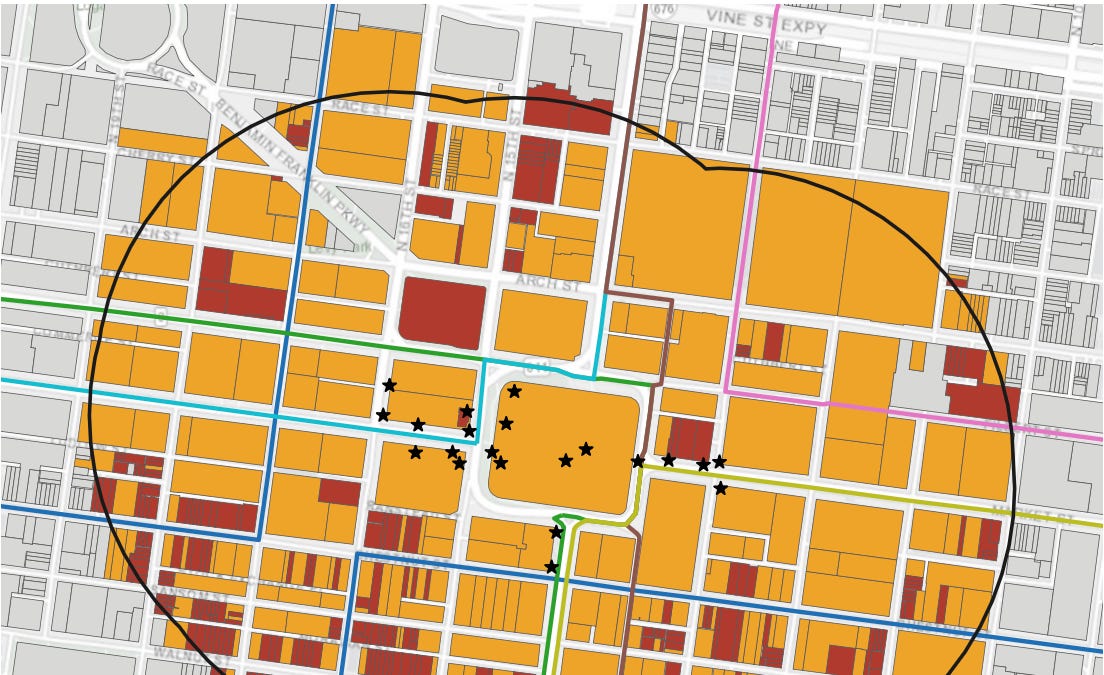
Build Philly Now released a policy brief examining the zoned capacity for high-rise construction in Center City Philadelphia. The brief evaluates the potential impact of the H.O.M.E. zoning reform bills, which aim to increase density and streamline approvals in urban cores. This local analysis provides concrete data on how specific zoning changes could unlock significant vertical growth potential in one of the nation's key metropolitan areas.
Local view
France: Construction starts rebound, permits lag French media reports indicate that housing construction starts (mises en chantier) rose by 8.9% in July 2026 compared to the previous month. However, building permits (autorisations de construire) decreased by 2.5% during the same period. This divergence suggests that while current projects are moving forward, the pipeline for future developments may be slowing, raising concerns about long-term supply stability.
Canada: Residential starts dip slightly in August The Canada Mortgage and Housing Corporation (CMHC) reported that the six-month trend for housing starts fell by 1.3% in August 2026 compared to July, totaling 244,149 units. This decline follows previous months of activity and signals a potential cooling in the pace of new residential construction across the country.
Context & numbers
The debate over housing supply continues to be framed by widely varying estimates of the national shortage. While some analyses suggest states like North Dakota have minimal shortages, others estimate California alone is short 4.5 million homes. These disparities complicate the formulation of uniform federal or state-level policy responses.
In the realm of industrialized housing, Pennsylvania's Department of Community & Economic Development clarified exemptions for modular homes constructed before June 1, 2026, under the Uniform Construction Code. This regulatory clarity is crucial for manufacturers navigating state-specific compliance standards.
On the radar
- California SB 79 Implementation: Cities across California are actively testing the limits of the recently passed SB 79, with many seeking to exploit "wiggle room" in the law's implementation guidelines. Stakeholders are watching closely to see if local resistance will dilute the law's intent to streamline housing approvals.
- Plant Prefab Expansion: The modular housing sector continues to attract investment, with Plant Prefab securing $42 million in Series C funding to expand its factory-built housing capabilities into multifamily developments. This capital injection aims to scale production to over 800 units annually at its new Tejon Ranch Hub.
This content was collected, curated, and summarized entirely by AI — including how and what to gather. It may contain inaccuracies. Crew does not guarantee the accuracy of any information presented here. Always verify facts on your own before acting on them. Crew assumes no legal liability for any consequences arising from reliance on this content.
Powered by
