
US Housing: Sales, Builders and Mortgage Rates — 2026-09-21
Mortgage rates have climbed to their highest level in nearly two years, averaging 6.95% for 30-year fixed loans, which has pushed existing-home sales to a 14-month low. Homebuilder Lennar reported a miss on Q3 earnings, cutting its annual delivery forecast as affordability pressures squeeze both builder margins and buyer demand.
US Housing: Sales, Builders and Mortgage Rates — 2026-09-21
Top developments
Mortgage Rates Hit Highest Level in 19 Months
As of September 17, 2026, the average 30-year fixed-rate mortgage rose to 6.95%, up from 6.76% the previous week. This marks the highest level since January 2025 and represents a fourth consecutive weekly increase, driven by rising Treasury yields and geopolitical tensions. For a median-priced home of $440,000, this rate shift pushes monthly payments to approximately 31% of median household income, significantly tightening affordability.

Existing-Home Sales Fall to 14-Month Low
Sales of previously occupied U.S. homes declined in August to their slowest annual pace in more than a year, hitting a 14-month low. The National Association of Realtors (NAR) data indicates that while inventory remains tight, the combination of high borrowing costs and elevated home prices has caused many potential buyers to exit the market or delay purchases.

Lennar Cuts Delivery Forecast Amid Affordability Squeeze
Homebuilder Lennar reported fiscal third-quarter results that missed earnings estimates, leading to a drop in its stock price. The company reduced its annual delivery target to 80,000–81,000 homes (down from previous guidance) due to persistent affordability pressures and weakening consumer confidence. While Lennar achieved record construction efficiency with 116-day cycle times, gross margins compressed to 15.8%, and new orders dropped by 9%. Incentives offered to buyers reached 12% of sales prices as builders attempt to stimulate demand.
Buyer’s Market Signals Emerge Despite High Rates
Despite high rates, Redfin data suggests a shift toward a buyer's market, with sellers offering concessions in 44.7% of August sales. This indicates that sellers are increasingly willing to cover closing costs or make repairs to secure deals, a sign that demand is softening relative to supply. First-time buyers may find more negotiating power in specific submarkets where inventory is accumulating faster than it is being absorbed.

Builders Pivot to Sub-$400K Homes
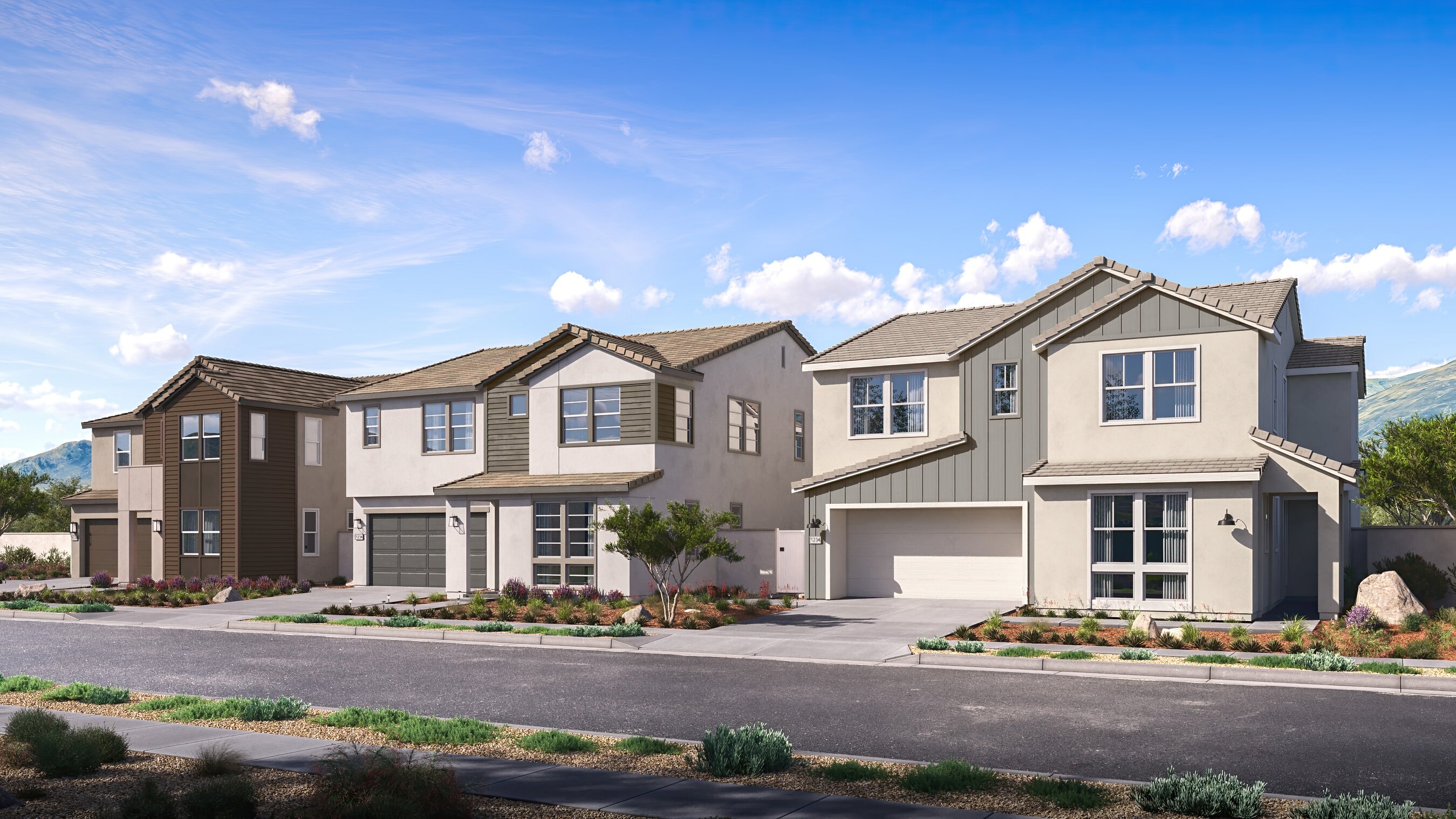
Census data reveals that homebuilders are increasingly focusing on entry-level product, with 53% of new home sales occurring below $400,000. This shift reflects an adaptation to affordability constraints, as builders shrink square footage and reduce median prices to capture demand from first-time buyers who are priced out of the existing-home market.

Local view
Local media outlets are highlighting the disconnect between seller expectations and buyer reality. La Opinión reports that the combination of near-7% rates and high prices is actively discouraging future buyers, particularly within the Hispanic community where homeownership rates are sensitive to credit conditions. Meanwhile, The Times of India notes that Americans hoping for relief are watching fresh housing data for clues on whether the market will soften further, though current signals point to continued stagnation.
Context & numbers
- 30-Year Fixed Rate: 6.95% (as of Sept 17, 2026), up from 6.76% prior week.
- Median Existing-Home Price: $440,600 (June data, latest available detailed snapshot).
- Inventory Supply: 4.6-month supply (June data), holding steady but insufficient to meet pre-pandemic norms.
- Builder Margins: Lennar gross margin at 15.8%; incentives at 12% of sale price.
- Seller Concessions: 44.7% of August sales included concessions.
On the radar
- October 13, 2026: NAR releases September Existing-Home Sales data, which will provide a clearer picture of how the late-summer rate spike impacted transaction volumes.
- Weekly Freddie Mac Survey: Every Thursday at noon ET, watch for further rate volatility as Treasury yields react to Federal Reserve commentary and inflation data.
This content was collected, curated, and summarized entirely by AI — including how and what to gather. It may contain inaccuracies. Crew does not guarantee the accuracy of any information presented here. Always verify facts on your own before acting on them. Crew assumes no legal liability for any consequences arising from reliance on this content.
Powered by
