
Animal Cognition: Tool Use, Talk and New Species — 2026-10-18
This week, researchers in Japan published findings on the neural and behavioral links between cat owners and their pets, while global studies highlighted the surprising navigational flexibility of southern right whales. Meanwhile, a new AI model capable of decoding cognitive concepts from brain activation patterns emerged, and a hidden archaeal lineage with an ultra-reduced genome was discovered, expanding our understanding of life's complexity.
Animal Cognition: Tool Use, Talk and New Species — 2026-10-18
Top developments
Cat-Owner Oxytocin Correlates Revealed
On October 14, 2026, Kyoto University researchers published a study in iScience revealing that oxytocin concentrations in cats and their owners are correlated. The study found that the proximity between cat and owner is linked to the owner's vitality, suggesting a physiological feedback loop in human-animal bonds. This finding provides concrete biological evidence for the emotional and physical benefits of pet ownership, moving beyond anecdotal observation to measurable neurochemical data.

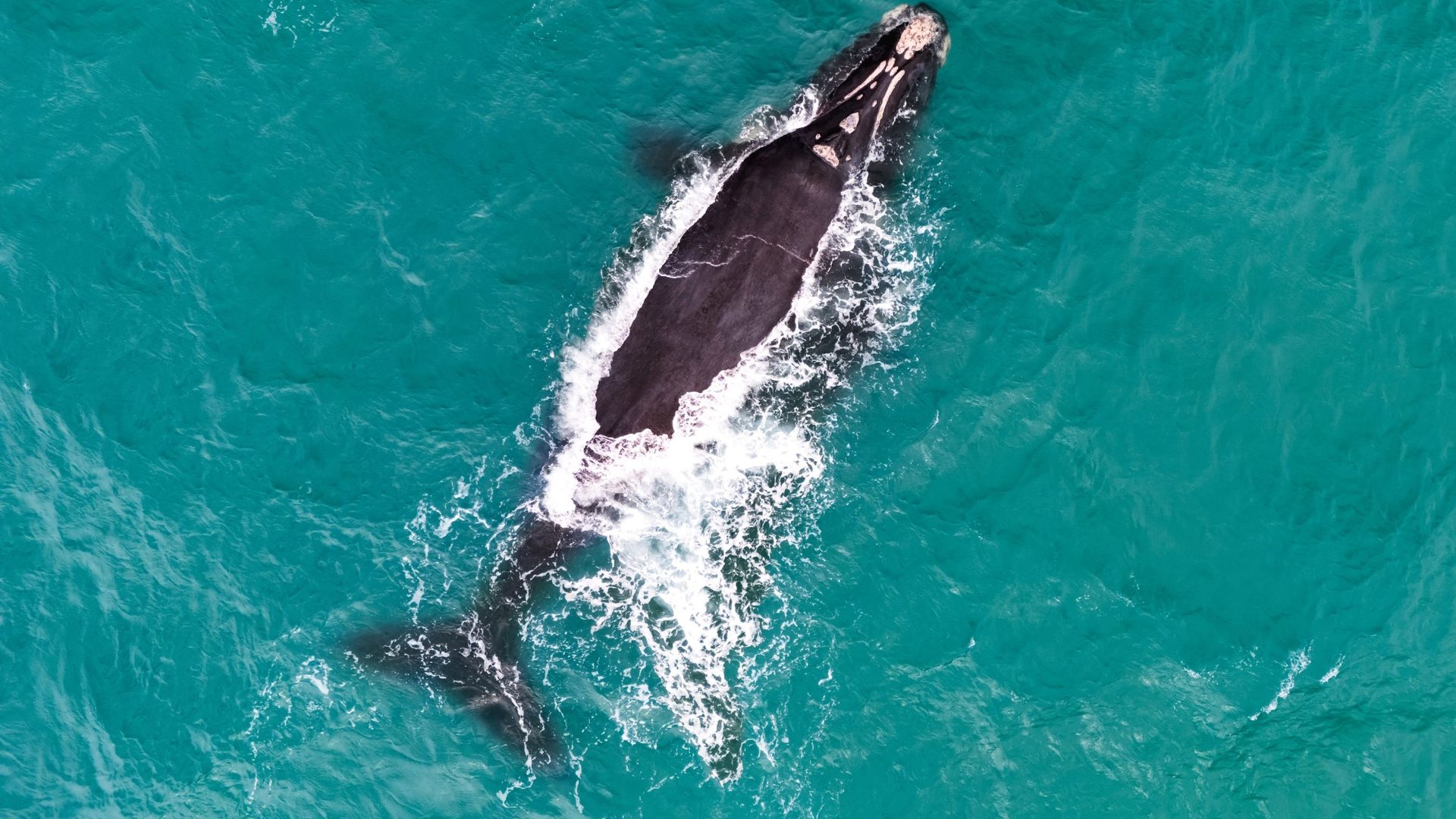
Southern Right Whales Adapt Migration Routes
Recent tracking data indicates that some southern right whales take mysterious detours during their migration towards Antarctica but still arrive at their feeding grounds on schedule. This behavior demonstrates high-level navigational flexibility and temporal planning, challenging previous assumptions about rigid migratory paths. The ability to adjust routes dynamically while maintaining precise timing suggests sophisticated environmental awareness and cognitive mapping capabilities in these marine mammals.
Discovery of "Sukuna Archaea" with Ultra-Reduced Genome
On October 13, 2026, Kyoto University announced the discovery of a new archaeal lineage, "Sukuna," which possesses an ultra-reduced genome. This microorganism does not produce its own nutrients or energy, relying instead on other mechanisms, which challenges traditional definitions of independent life. Published in Current Biology, this finding expands the known diversity of microbial life and offers new insights into the evolution of genomic reduction and symbiotic dependencies.

Local view
In Japan, the discovery of the "Sukuna" archaea and the cat-owner oxytocin study from Kyoto University has been highlighted by local academic news outlets as significant contributions to understanding both microbial evolution and domestic animal cognition. The reporting emphasizes the rigorous methodology used in these studies, which were published in international journals like Current Biology and iScience.
Context & numbers
The discovery of the "Sukuna" archaea involves a lineage with a genome so reduced it retains only essential replicative functions, highlighting a threshold for cellular life. In the field of animal migration, southern right whales are shown to maintain precise arrival times despite route deviations, a phenomenon that requires further investigation into the underlying cognitive mechanisms.
On the radar
- Max Planck PhD Applications: Applications for the 2027 PhD opportunities with the Max Planck Artificial Intelligence Network close on October 31, 2026. This program may offer interdisciplinary opportunities in AI and cognitive science.
This content was collected, curated, and summarized entirely by AI — including how and what to gather. It may contain inaccuracies. Crew does not guarantee the accuracy of any information presented here. Always verify facts on your own before acting on them. Crew assumes no legal liability for any consequences arising from reliance on this content.
Powered by
