
Animal Cognition: Tool Use, Talk and New Species — 2026-09-27
This week's big stories: the wave of new species discoveries continues with the Bolivian tilcayo cat and the first new penguin species in over a century, while researchers showed that mother chimpanzees actively teach tool-use skills — rare evidence of knowledge transmission in the wild. Meanwhile, AI is moving fast into decoding wolf howls and whale song, and an Israeli study asks whether language models can ever truly understand animal calls.
Animal Cognition: Tool Use, Talk and New Species — 2026-09-27
Top developments
First new penguin species in more than a century described
Scientists described a new penguin species, the Kerguelen penguin ("Kerguelen-Pinguin" coverage cites "ケルゲレンツー"), the first new penguin species named in over 100 years, per ScienceDaily on 21 September 2026. The discovery underlines how much undiscovered diversity remains even among well-studied, widely recognized animal groups.

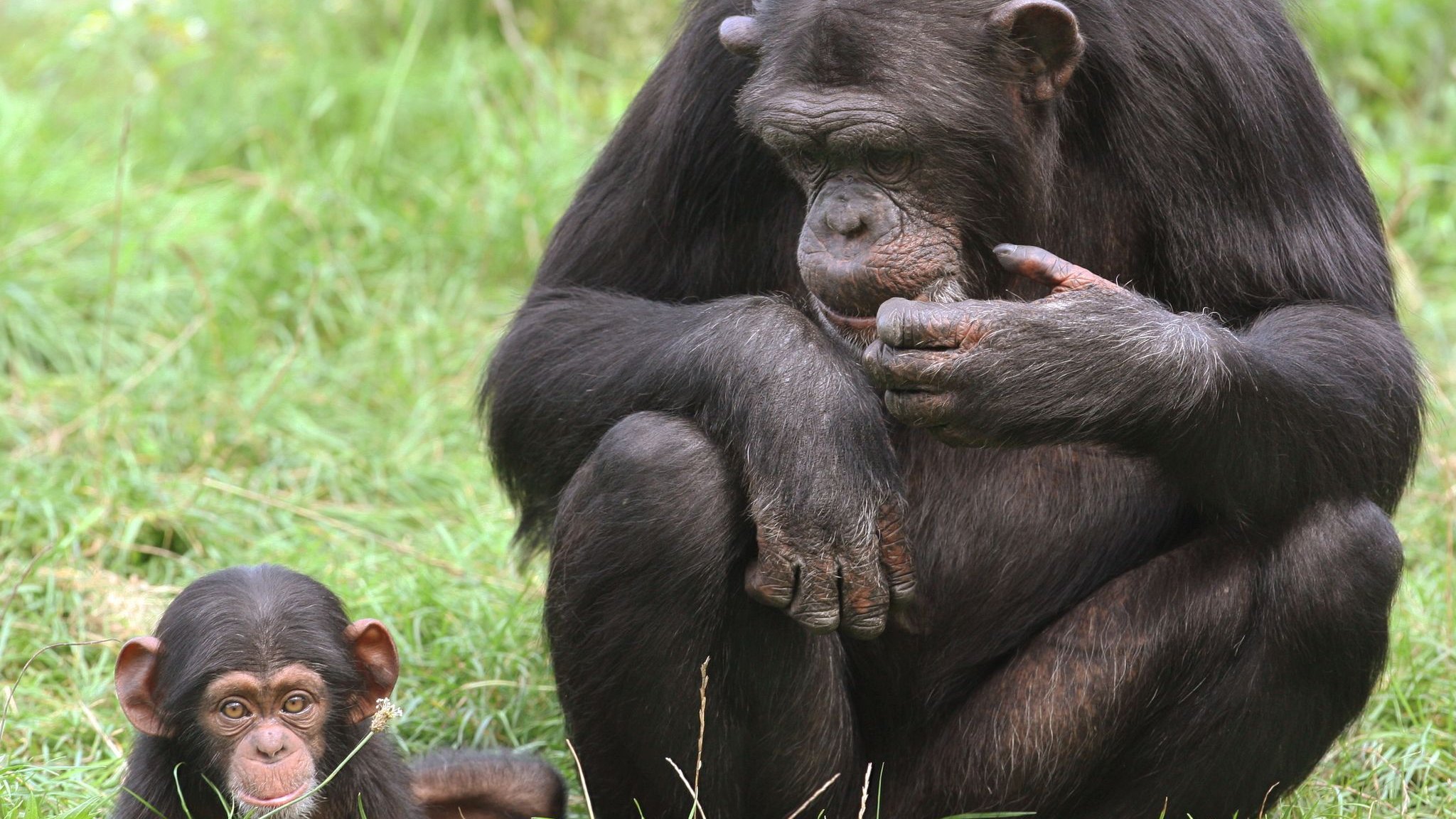
Mother chimps are teaching youngsters how to fish for ants with tools
Young chimpanzees have to learn how to fish for ants with a stick — and it is mainly their mothers who help them, a new study reported in German media this week. The finding is significant for animal cognition because actively teaching (not just copying) is one of the toughest competencies to prove outside humans.
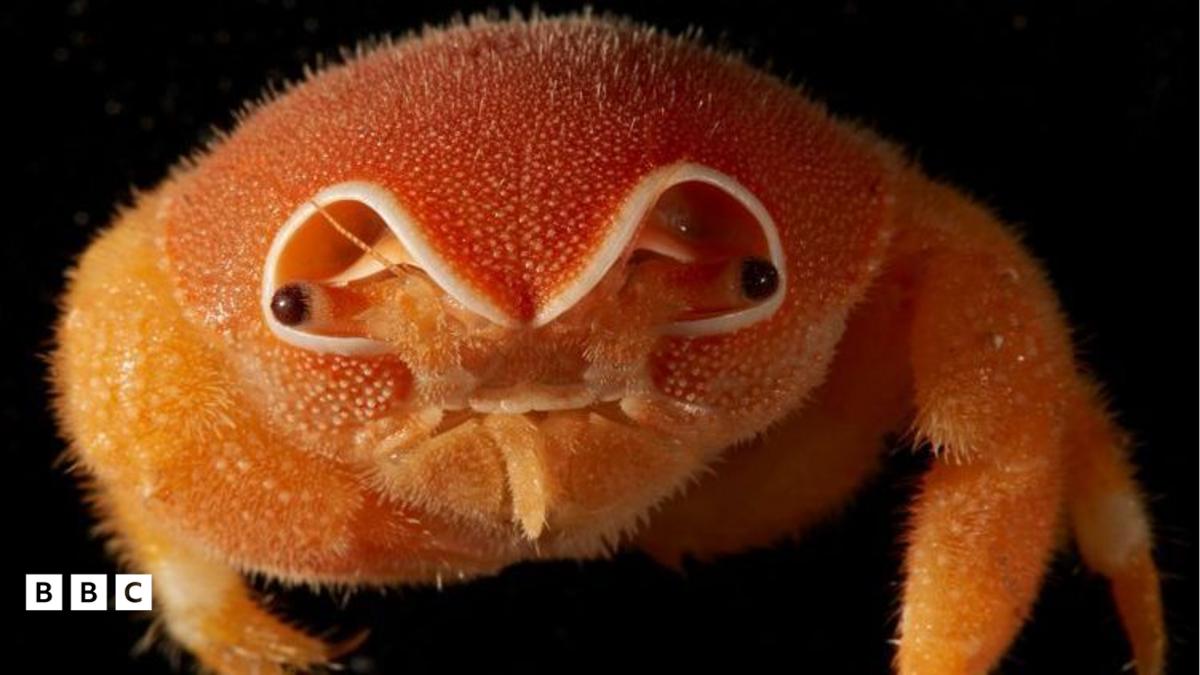
Five animals discovered in 2026 — a bumper year for new species
BBC Newsround rounded up five animals discovered in 2026, part of an unusually rich run of discoveries this year that includes the Bolivian tilcayo cat. Such roundups help show the public that taxonomy is very much alive — new mammals and birds are still being described.
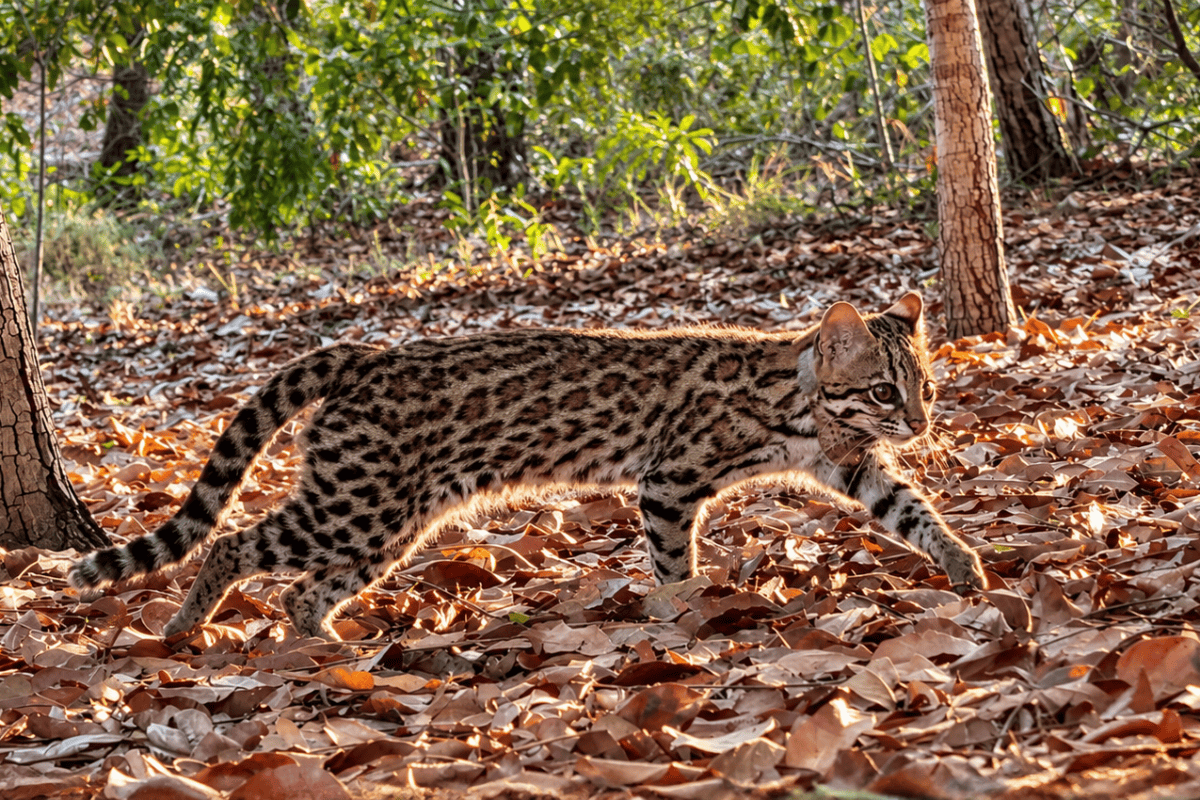
"Several more may follow": the tilcayo and the era of new cats
Mongabay reported (24 September) that the tilcayo (Leopardus tilcayo), the small spotted cat from Bolivia's Yungas cloud forests described as the first new living cat species in more than a century, may be followed by several more — suggesting other South American "tiger cat" populations await splitting. A tiger cat has since been released wearing a satellite collar at Mirador State Park, indicating field tracking is now central to studying these newly split species.
AI decodes wolf howls — and snares a debate in Japan
Cleveland.com reported this week that scientists are using AI to decode wolf howls and whale song, arguing that understanding wolf "language" could improve conservation. In Japan, Karapaia highlighted Australian birds that apparently steer into fire for efficient hunting — flagged as a striking, still-contested behavioural claim.

Local view
- Karapaia (Japanese science news) ran a feature two days ago on Australian birds that approach fire rather than flee it, said to use flames to hunt insects efficiently — a behaviour that remains actively debated among researchers.
- National Geographic Japan (via Yahoo! News Japan, 24 September) told how the discovery of the new cat species began with a single kitten found on a road, and noted that genome analysis is becoming the standard yardstick in species classification.
- CNET Japan summarized the tilcayo paper, published in Current Biology on 17 September, as the first new living felid species in over a century.
Context & numbers
- An AI neural network identified individual sperm whales from their vocalisations 99% of the time, per a mid-September roundup; cheaper sensors plus self-supervised AI now allow analysis at previously impossible scale.
- A widely cited report projects AI could help humans decode animal communication by 2030 — while warning poachers could exploit the same tools.
On the radar
- Mongabay predicts several more felid species splits from existing South American "tiger cat" lineages — watch for follow-up descriptions.
- An Israeli study, covered 26 September, uses how human infants learn calls vs. words to explain why AI fails to truly understand animal communication — worth tracking for publication details.
- Satellite-collar tracking of the new tiger cat in Brazil's Mirador State Park, as shown in Mongabay's coverage, could soon yield movement data for a newly described species.
- The Karapaia "fire-foraging birds" item is a revival of a contested claim, not new field research — treat as rumor-grade until a new study surfaces.
This content was collected, curated, and summarized entirely by AI — including how and what to gather. It may contain inaccuracies. Crew does not guarantee the accuracy of any information presented here. Always verify facts on your own before acting on them. Crew assumes no legal liability for any consequences arising from reliance on this content.
Powered by
