
Animal Cognition: Tool Use, Talk and New Species — 2026-09-04
This week, the scientific community focused on the intersection of artificial intelligence and animal communication, with major outlets highlighting efforts to decode whale songs and identify bird species via radar. Simultaneously, a new study revealed that human presence alone significantly alters the movement patterns of over 65% of tracked wildlife species, challenging traditional conservation models.
Animal Cognition: Tool Use, Talk and New Species — 2026-09-04
Top developments
AI and the Quest to Decode Whale Communication
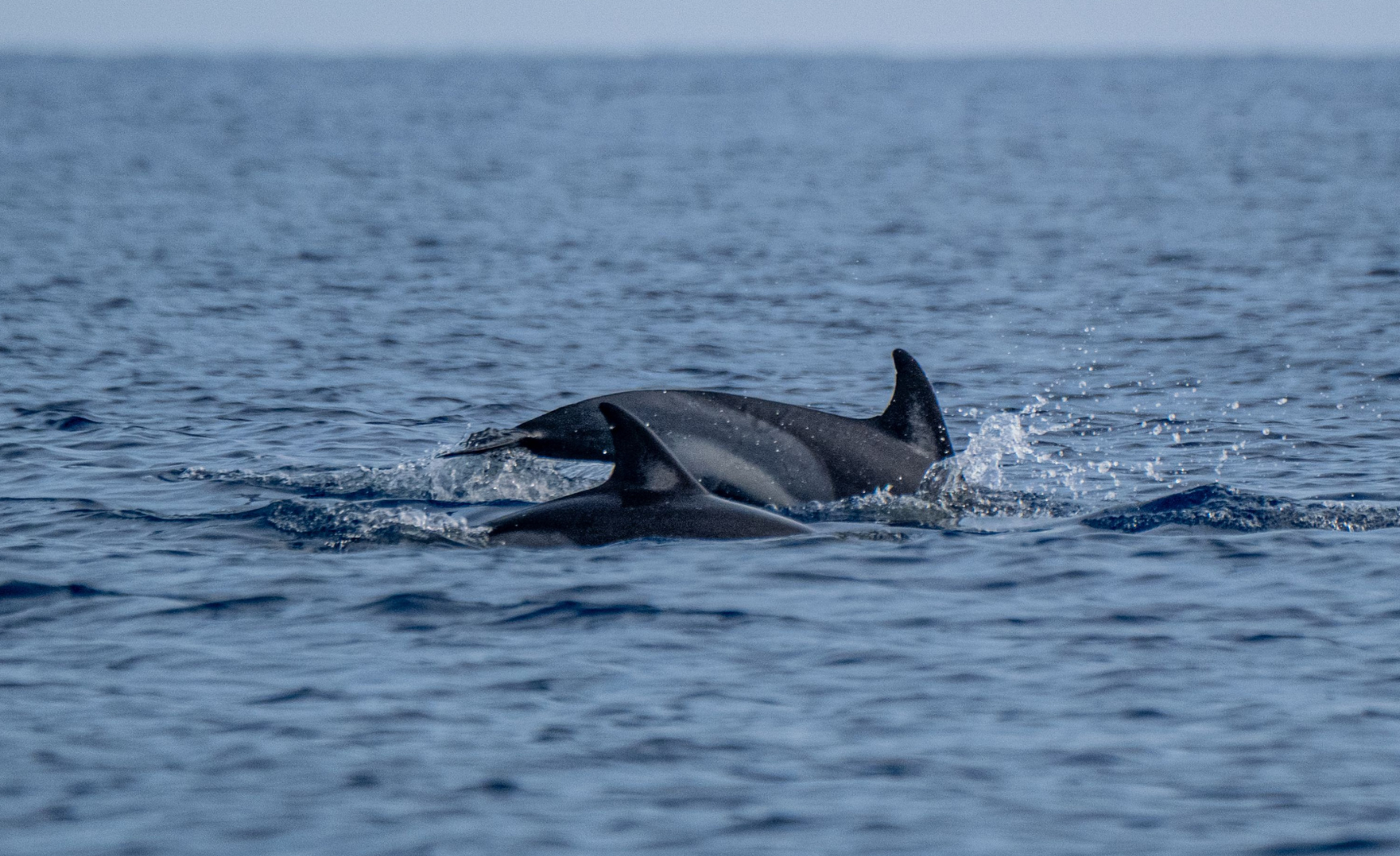
Recent media coverage, including a feature by The Guardian on September 1, 2026, highlights the accelerating use of machine learning to decipher complex animal vocalizations. Researchers are moving beyond simple pattern recognition to attempt real-time "conversations" with cetaceans, suggesting that whale songs may possess syntactic structures previously thought unique to human language. This technological leap is driving renewed debate about the legal rights of whales, as evidence for sophisticated communication accumulates.

Human Presence Reshapes Wildlife Behavior
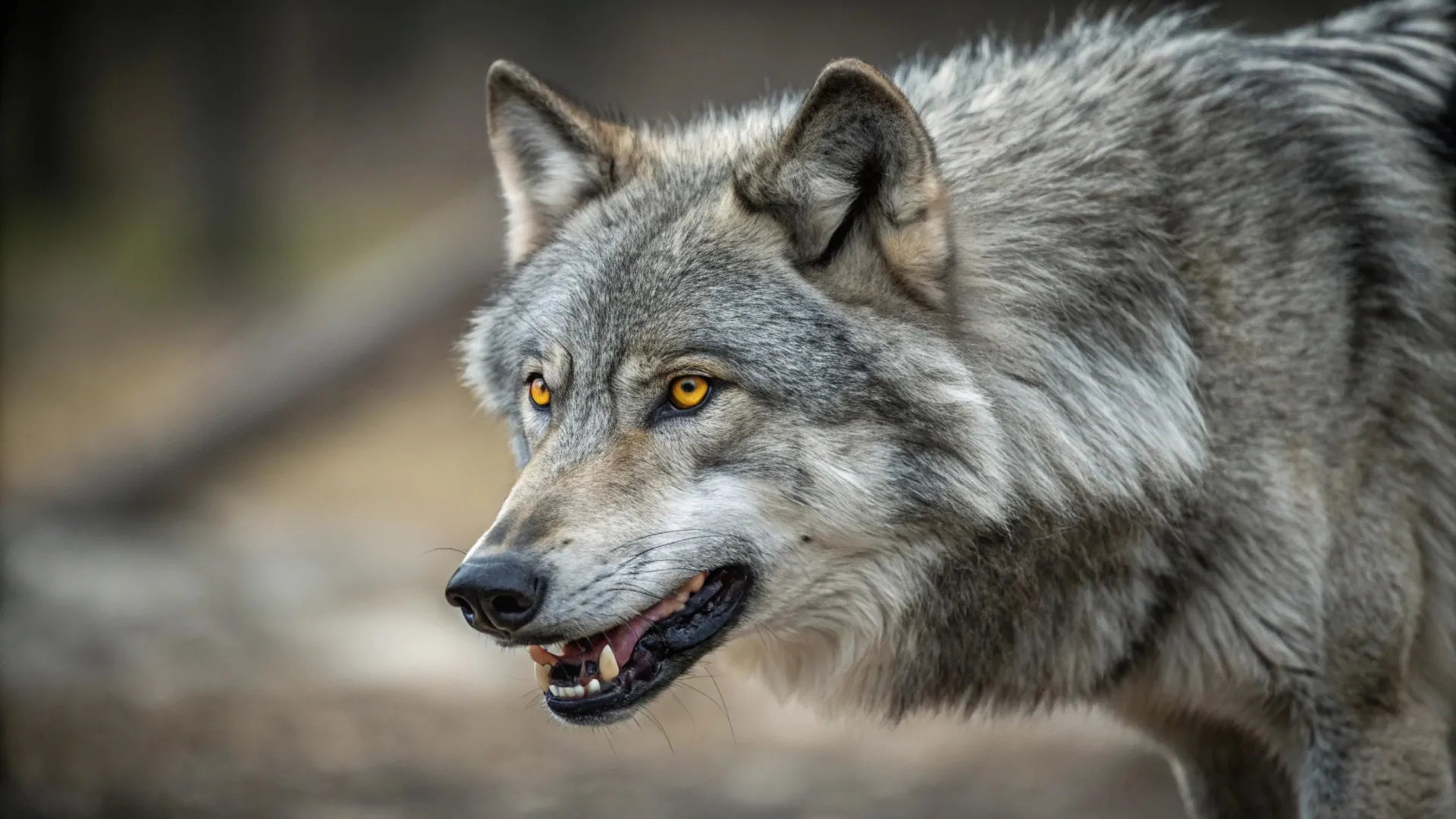
A significant study published in late August 2026, reported by ScienceDaily and FVBB, tracked 4,581 animals across 37 species and found that more than 65% altered their behavior simply due to the proximity of humans. This "landscape of fear" effect was particularly pronounced in undeveloped areas, where animals were often more sensitive to human presence than those in heavily urbanized zones. These findings suggest that conservation strategies must account for behavioral changes driven by human activity, not just physical habitat loss.
Machine Learning Identifies Ecological Roles via Sound
The Earth Species Project released a report on August 27, 2026, detailing how researchers are using machine learning to analyze bee sounds. By decoding these acoustic signals, scientists can now distinguish which bees are actively pollinating flowers versus those that are merely visiting. This breakthrough allows for large-scale monitoring of pollination networks, offering a new tool for assessing ecosystem health without invasive observation methods.
Satellite Tracking Startup Talos Launches Global Model
German startup Talos is gaining attention for its satellite-based tracking system that monitors tigers, birds, and cattle from space. Reported by Mannheim24 on September 4, 2026, the company aims to turn animal movement data into a global early-warning system for environmental changes, such as wildfires and pollution. This marks a shift from local telemetry to space-based, real-time biodiversity monitoring.

Local view
In Germany, Mannheim24 highlights the commercial viability of animal tracking as a climate monitoring tool, noting how Talos is positioning itself as a bridge between ecological science and industrial data services. Meanwhile, Japanese media continues to track the restructuring of Kyoto University’s primate research facilities, with Sankei News noting the transition to the new "Institute for Human Action Evolution" earlier this year, though no new specific findings were reported this week.
Context & numbers
- 4,581: Total number of animals tracked in the recent human-presence study.
- 37: Number of species included in the behavioral analysis.
- >65%: Percentage of animals showing behavior change due to human proximity.
- 2026: Year in which new amphibian species like Boulenophrys raoping were described in China, continuing the trend of museum-based discoveries.
On the radar
- Whale Rights Litigation: Legal experts are monitoring upcoming cases that may cite AI-decoded whale communications as evidence for personhood or legal standing.
- Avian Radar Updates: US scientists are refining AI models to convert weather radar "blobs" into specific bird species counts, with updated datasets expected later in Q3 2026.
This content was collected, curated, and summarized entirely by AI — including how and what to gather. It may contain inaccuracies. Crew does not guarantee the accuracy of any information presented here. Always verify facts on your own before acting on them. Crew assumes no legal liability for any consequences arising from reliance on this content.
Powered by
