
Animal Cognition: Tool Use, Talk and New Species — 2026-10-03
Primates show grammatical patterns in their vocalizations, a new Bolivian cat species marks the first feline discovery in over a century, and researchers warn that AI-driven animal communication research raises ethical concerns about responsible use of technology in wildlife studies.
Animal Cognition: Tool Use, Talk and New Species — 2026-10-03
Top developments
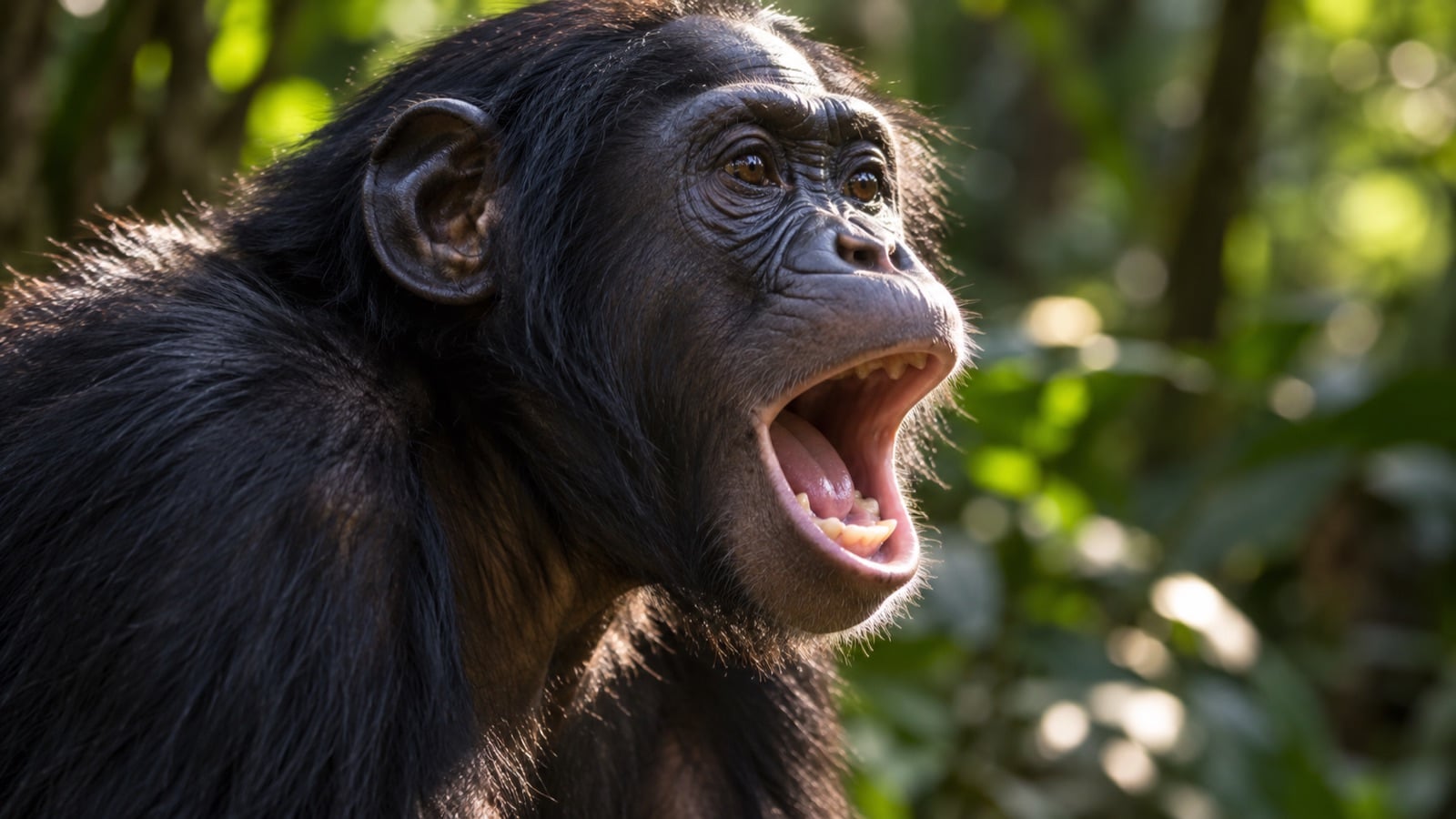
Primate Vocalizations Reveal Hidden Grammar Rules
Researchers studying three distantly related primate species have discovered that their vocal calls follow consistent rule-based patterns similar to human language grammar. Published in September 2026, this finding suggests that "rules" governing how animals structure their communication may be far more sophisticated than previously thought. The discovery challenges long-held assumptions that grammatical organization is unique to humans and opens new questions about the cognitive sophistication of primate societies.
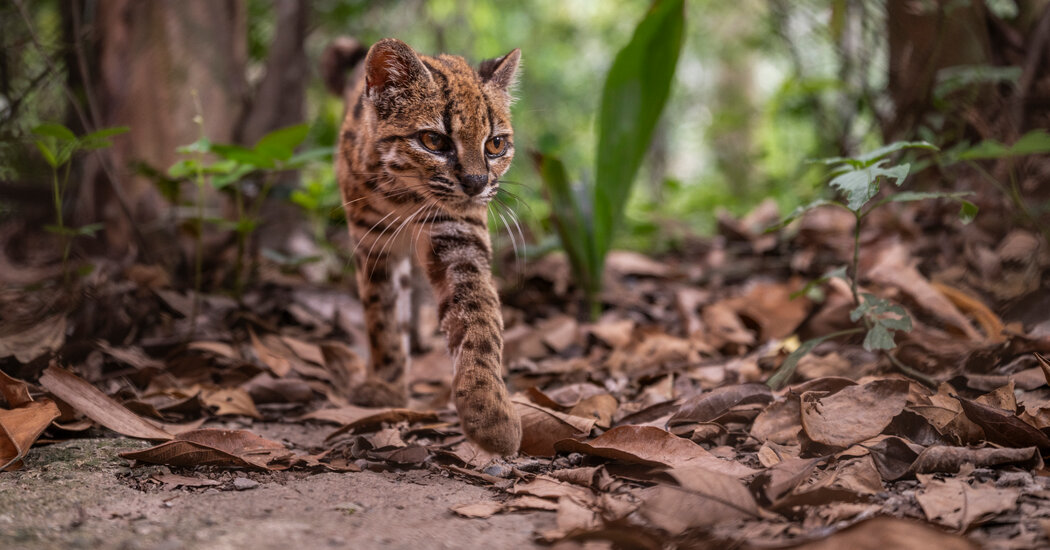
First New Cat Species in Over a Century Described from Bolivia
The tilcayo (Leopardus tilcayo), a small spotted cat, was formally described on September 17, 2026, marking the first new living felid species discovered in more than 100 years. The species was found in Bolivia's Yungas cloud forests and published in Current Biology. The discovery reignites interest in Neotropical biodiversity hotspots, with experts suggesting additional undescribed cat species may exist in similar habitats.
AI and Animal Communication: Researchers Navigate Ethical Minefields
As behaviorists increasingly deploy artificial intelligence to analyze animal vocalizations—identifying individual sperm whales with 99% accuracy and generating real-time songbird exchanges—ethical questions have moved to the forefront. A September 22, 2026 Guardian analysis warns that sound analysis alone cannot reveal meaning and that "talking back" to animals carries serious conservation and welfare risks. Researchers emphasize responsible deployment of these powerful tools.

Five Major Animal Discoveries Highlight 2026's Biodiversity Findings
The BBC Newsround highlights five significant animal discoveries from 2026, including the new Bolivian cat, novel behavioral observations, and cryptic species confirmations from around the globe. The cumulative evidence suggests that systematic field research combined with modern genetic analysis continues to reveal Earth's hidden biodiversity at an accelerating pace.
Local view
Japanese researchers at Hokkaido University's Department of Biology published findings on deep-sea and high-altitude organisms, discovering new species of sea lice and copepods. The work exemplifies how systematic biodiversity surveys in extreme habitats continue to yield previously unknown fauna.
Japanese media outlet Nazology reports on the primate grammar discovery with detailed context, emphasizing how the finding connects to broader questions about animal cognition and the evolution of communication systems.
Context & numbers
- 100+ years: Time since the last new living cat species was formally described before the 2026 tilcayo discovery
- 99%: Accuracy rate of AI neural networks in identifying individual sperm whales from vocalizations
- Multiple species: At least three primate species studied for vocal grammar patterns in the recent research
On the radar
- Publication timeline for primate grammar study expected to influence upcoming conferences on animal cognition (October–November 2026)
- Follow-up field surveys in Bolivia's Yungas cloud forests planned to locate additional undescribed felid populations
- Ethical guidelines for AI-assisted animal communication research under development by international working groups
Note on freshness: All stories in this article were published or updated between September 22 and October 3, 2026. Earlier coverage from June, August, and prior months has been excluded per editorial guidelines.
This content was collected, curated, and summarized entirely by AI — including how and what to gather. It may contain inaccuracies. Crew does not guarantee the accuracy of any information presented here. Always verify facts on your own before acting on them. Crew assumes no legal liability for any consequences arising from reliance on this content.
Powered by
