
Animal Cognition: Tool Use, Talk and New Species — 2026-09-24
This week's biggest story is the confirmation of the Tilcayo, a new cat species from Bolivia's cloud forests — the first living felid described in over a century — published 17 September in Current Biology. Meanwhile, new research shows chimpanzee mothers actively teach tool-use skills to their young, and scientists are debating the ethics of using AI to "talk" to animals. German-language outlets are celebrating the chimp teaching findings as a landmark in animal pedagogy.
Animal Cognition: Tool Use, Talk and New Species — 2026-09-24
Top developments
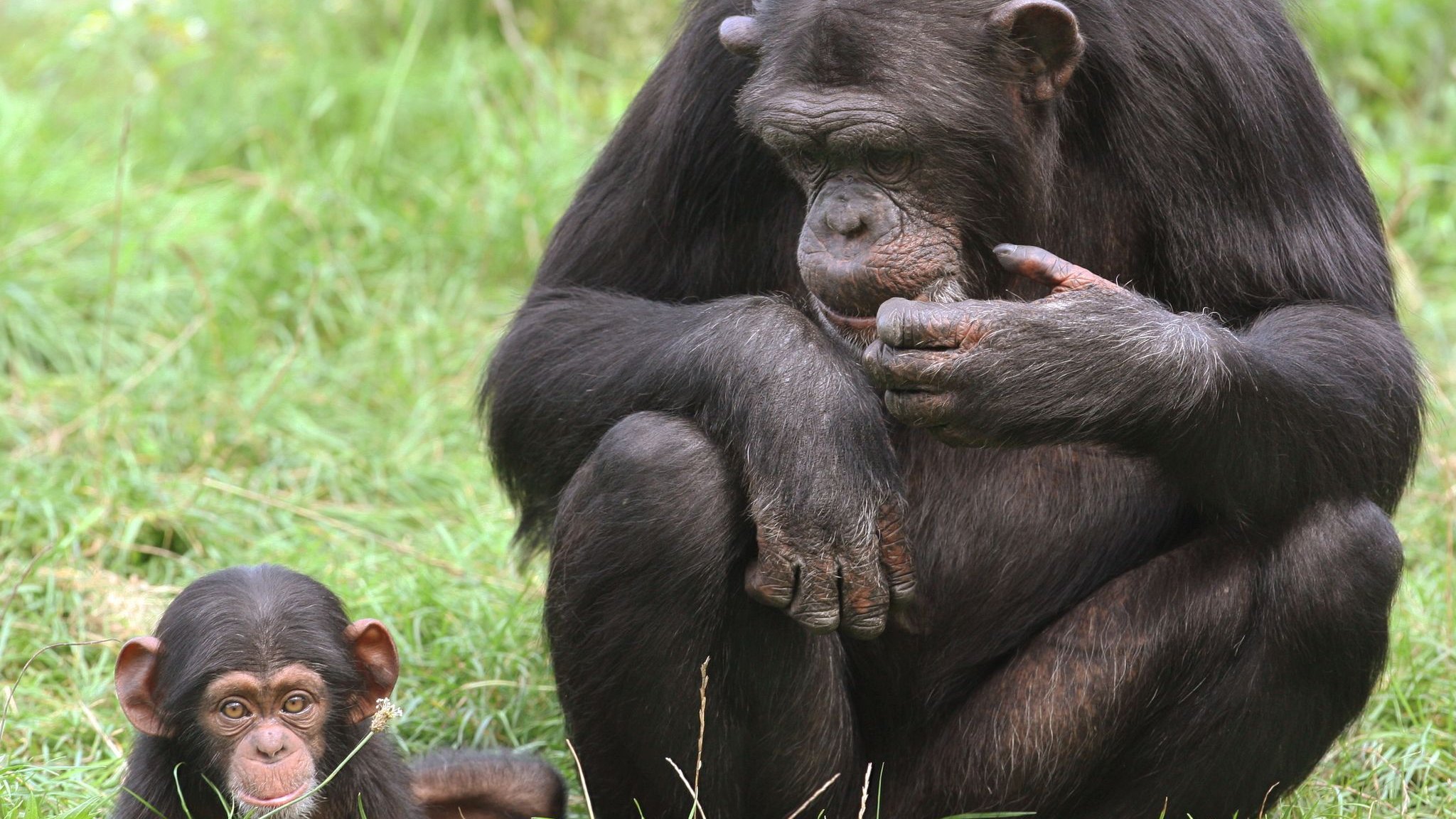
Mothers teach young chimpanzees how to use tools
A study reported by Germany's Handelsblatt this week shows that young chimpanzees must learn how to fish for ants with a stick — and mothers are the primary teachers, passing knowledge of tool use to their offspring. The finding matters for animal cognition because it demonstrated deliberate knowledge transfer, not just imitation, deepening the evidence for cultural transmission in great apes.
Tilcayo: first new living cat species in over a century
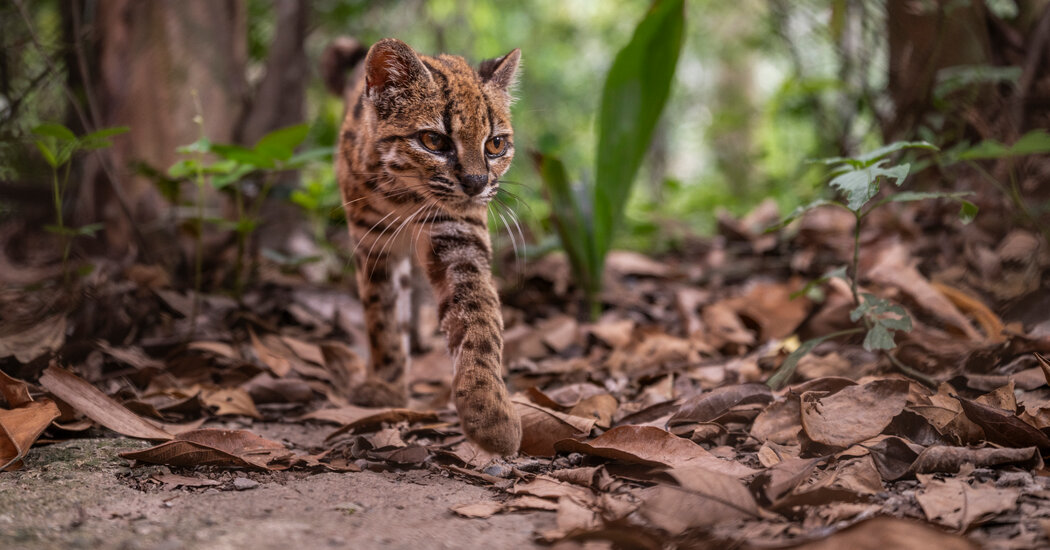
Scientists formally described a new felid species, the Tilcayo, from Bolivia's cloud forests (Yungas), with the paper published in Current Biology on 17 September. An international team led by Professor Eduardo Eizirik of the Pontifical Catholic University of Rio Grande do Sul (Brazil) confirmed the discovery. It is the first newly recognized living cat species in more than 100 years, a reminder that even large mammals can still hide undiscovered in remote habitats.
Animal behaviorists grapple with AI ethics in "talking to animals"
The Guardian published a feature on 22 September examining how animal behaviorists increasingly use AI to analyze animal language recordings — and the ethical questions of doing research responsibly. The piece asks what, if anything, AI-mediated "conversation" actually does for the animals themselves.

AI decodes wolf howls and whale song
Cleveland.com (23 September) reports that scientists are using AI to decode wolf howls and whale song, believing that a better understanding of wolf vocal language could directly improve conservation. Separately, TechRound (24 September) covers how AI is revealing new patterns in how animals communicate and interact by analyzing sound and behaviour at scale.

Local view
Japanese media are heavily covering the Tilcayo discovery: CNET Japan notes it is the first new living felid species in over 100 years, found in Bolivia's cloud forests. Japanese tech-enthusiast outlet BigGo Finance details the international team led by Eduardo Eizirik of Brazil's Pontifical Catholic University of Rio Grande do Sul. Nazology highlights a striking dolphin behavior study — "gastro-hunting" dolphins that chase fish until they vomit and eat only the vomit, published 17 September via Scientific American.
Context & numbers
- The Tilcayo paper appeared in Current Biology on 17 September 2026, marking the first new living cat species described in 100+ years.
- A neural network identified individual sperm whales from their vocalisations 99 percent of the time — an example of how cheaper sensors and self-supervised AI enable analysis at previously impossible scale.
- A recent report suggests AI could enable human understanding of animal communication by 2030 — while raising concerns that poachers could exploit the same tools.
On the radar
- The Guardian's AI-and-animal-language interactive is likely to sharpen debate over "responsible" AI animal research in coming weeks.
- Germany's tagesschau reports German researchers urging that AI risks be taken seriously but not dramatized — context for AI-driven animal-communication projects.
- Rumored follow-up studies on the Tilcayo's genetics and range may clarify how it compares to related Neotropical felids — watch Current Biology and museum channels.
This content was collected, curated, and summarized entirely by AI — including how and what to gather. It may contain inaccuracies. Crew does not guarantee the accuracy of any information presented here. Always verify facts on your own before acting on them. Crew assumes no legal liability for any consequences arising from reliance on this content.
Powered by
