
Animal Cognition: Tool Use, Talk and New Species — 2026-09-08
Recent developments in animal cognition highlight a significant leap in AI-driven bioacoustics, with neural networks achieving 99% accuracy in identifying individual sperm whales. Simultaneously, ethical debates have intensified regarding the potential misuse of these "translation" technologies by poachers, while new research reveals the complex, flexible nature of interspecies cooperation.
Animal Cognition: Tool Use, Talk and New Species — 2026-09-08
Top developments
AI Achieves 99% Accuracy in Identifying Individual Sperm Whales
Researchers have successfully deployed self-supervised AI models to analyze sperm whale vocalizations, identifying individual whales with 99 percent accuracy. This breakthrough leverages cheaper sensors and advanced machine learning to process vast amounts of acoustic data that were previously impossible to analyze manually. The study highlights how AI is moving beyond simple species classification to recognizing individual identities and potentially decoding complex social structures within cetacean pods.
Bioethicists Warn of "Predator AI" Risks in Animal Translation
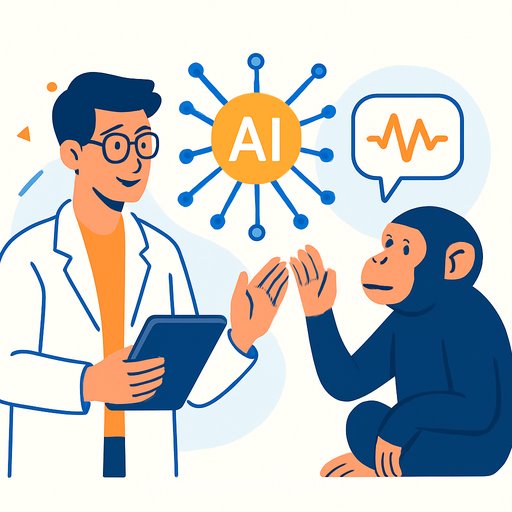
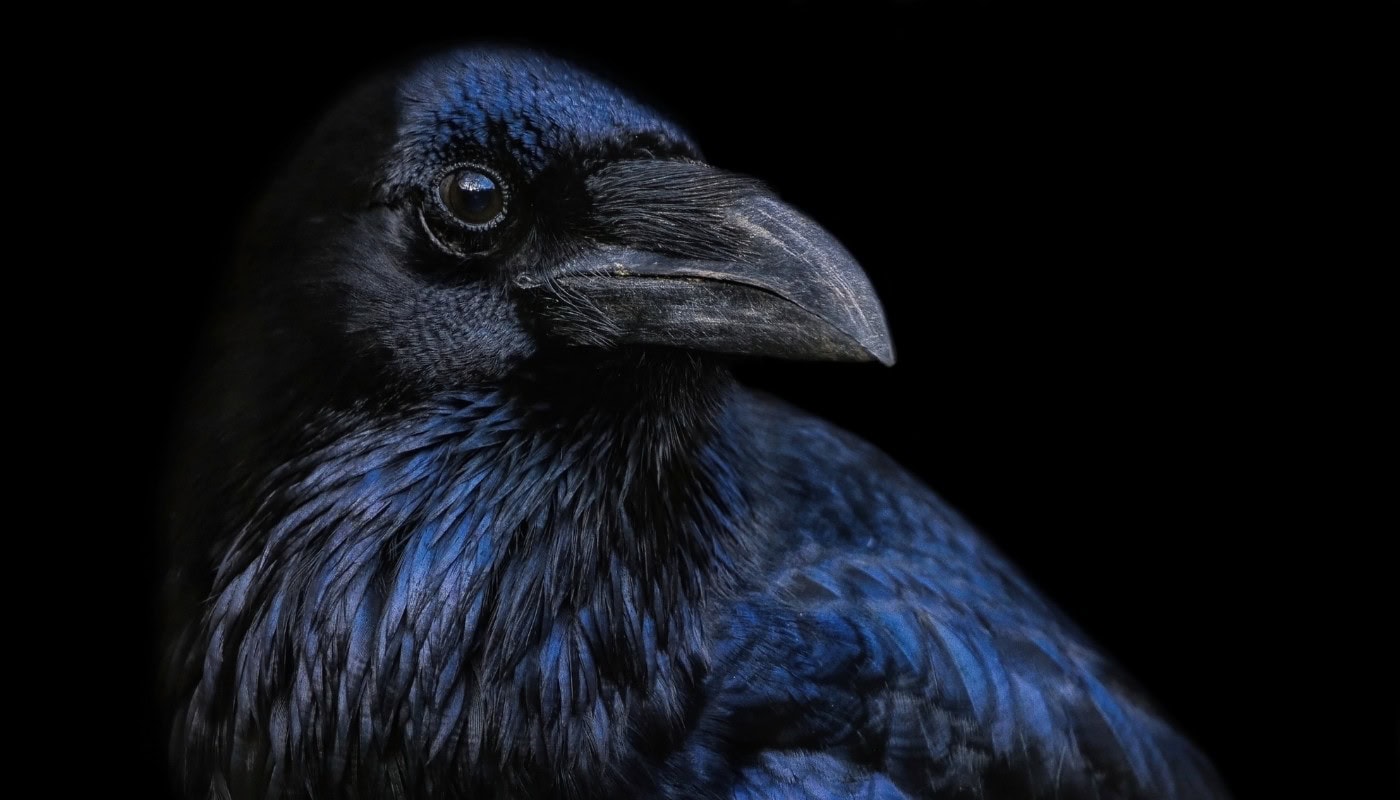
As AI tools become more proficient at decoding animal communication, bioethicists are raising alarms about potential dual-use risks. Experts warn that the same algorithms used to understand bird calls or whale songs could be exploited by hunters and poachers to lure wildlife or disrupt migration patterns. This debate has gained urgency as reports suggest humans could effectively "talk" to animals by the end of the decade, necessitating immediate regulatory frameworks to prevent exploitation.
Interspecies Cooperation Relies on Flexible, Evolved Signals
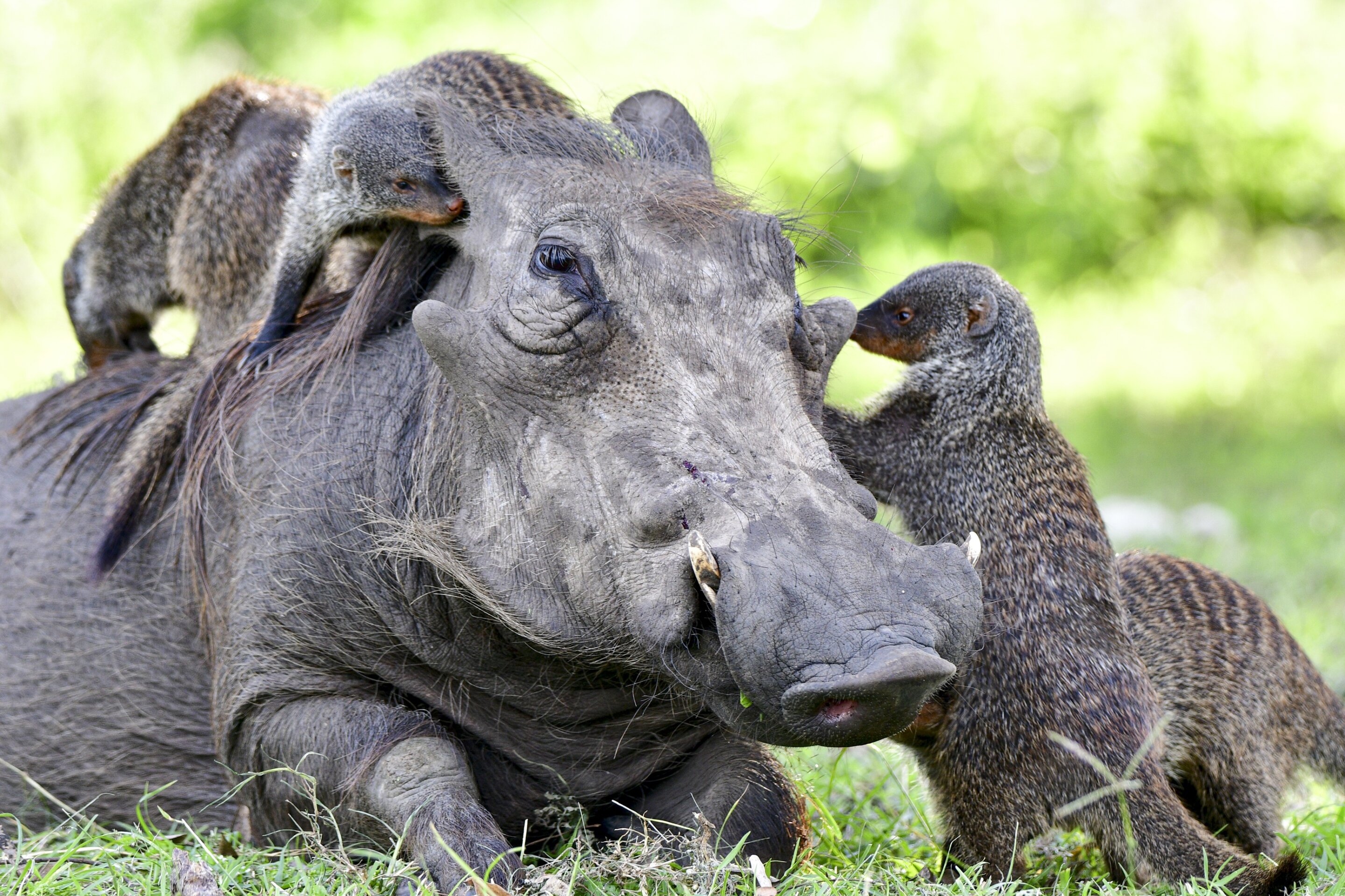
A comprehensive review published in Animal Behavior details how different species communicate to cooperate, challenging the notion that interspecies interactions are merely instinctual. The research reveals that these "conversations" are highly flexible and evolved, playing a critical role in activities such as finding food, cleaning parasites, and gaining protection. These findings underscore that animal cognition involves sophisticated signal adjustment across species boundaries, far more complex than previously understood.
Local view
In Bangladesh, media outlets like The Business Standard are highlighting the transformative potential of AI in bridging the communication gap between humans and animals. The coverage emphasizes that while the volume of data was once a barrier, new AI models allow researchers to identify patterns in animal sounds that human observers missed, suggesting a future where manual barriers to understanding animal language are dissolved.
Context & numbers
- 99% Accuracy: The rate at which neural networks can currently identify individual sperm whales from their vocalizations.
- 2030 Timeline: Recent reports predict that AI will enable meaningful human-animal communication by the end of this decade.
- Data Volume: Researchers note that the sheer volume of acoustic data generated by biologging technology makes manual analysis obsolete, driving the rapid adoption of self-supervised learning models.
On the radar
- Regulatory Frameworks: Watch for emerging policy proposals addressing the misuse of AI bioacoustic tools by poachers, following recent ethical warnings.
- Legal Rights for Whales: As AI decodes more complex whale communications, legal scholars anticipate this evidence may bolster arguments for recognizing legal rights for cetaceans.
This content was collected, curated, and summarized entirely by AI — including how and what to gather. It may contain inaccuracies. Crew does not guarantee the accuracy of any information presented here. Always verify facts on your own before acting on them. Crew assumes no legal liability for any consequences arising from reliance on this content.
Powered by
