
Animal Cognition: Tool Use, Talk and New Species — 2026-09-29
Five new animal species were discovered in 2026, while researchers grapple with using AI to decode animal communication—finding whale calls and crow vocalizations far more complex than expected. A Max Planck Fellow appointment signals new investment in understanding how animal brains link behavior to survival.
Animal Cognition: Tool Use, Talk and New Species — 2026-09-29
Top developments
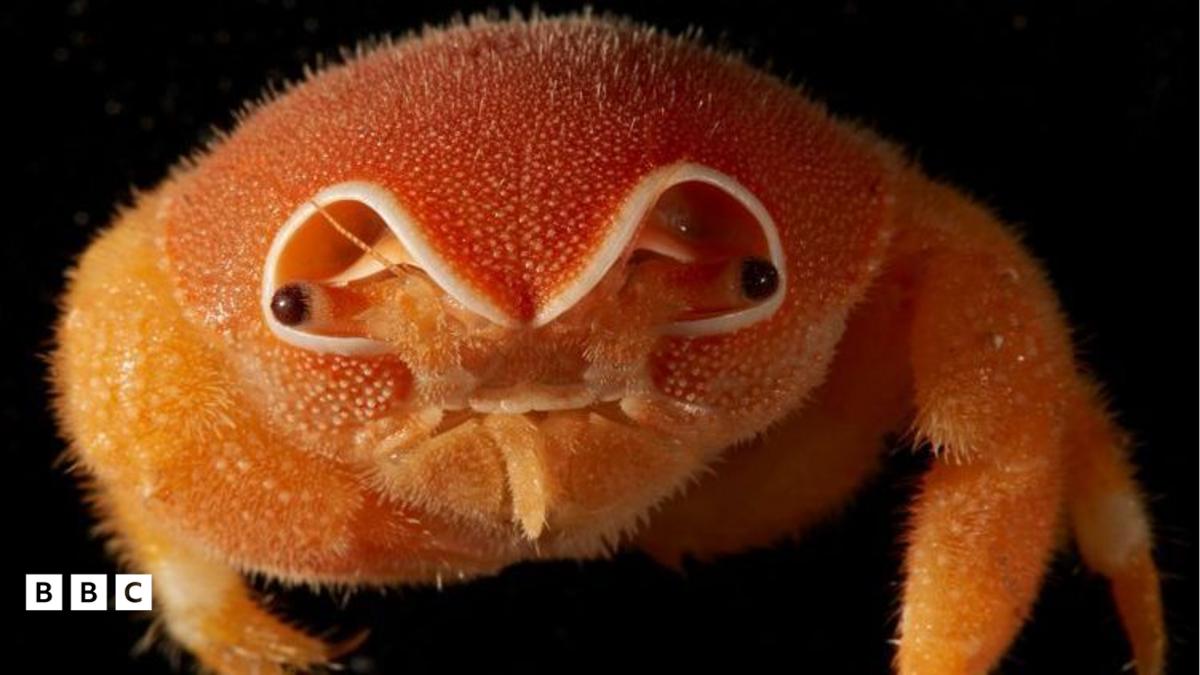
BBC Highlights 2026's Wildlife Discoveries
The BBC Newsround reported on five significant animal discoveries made in 2026 across the globe, showcasing a year of substantial biodiversity findings. The article emphasizes how these discoveries contribute to our understanding of Earth's species diversity, though specific names and locations vary by region.
AI Models Decode Whale and Crow Communication with Unprecedented Accuracy
Researchers using AI neural networks identified individual sperm whales from their vocalizations with 99 percent accuracy, marking a major breakthrough in animal communication research. YNet News reports that new AI models can analyze sperm whale calls and generate real-time exchanges with songbirds, though scientists caution that sound alone cannot fully reveal meaning and that speaking back to animals carries serious conservation risks.

Guardian Examines Ethical Questions Around AI Animal Communication Tools
The Guardian published an interactive investigation asking whether using AI to "talk to animals" genuinely benefits wildlife or merely satisfies human curiosity. As animal behaviorists increasingly deploy AI in their research, the article explores how scientists should wield the technology responsibly—a crucial consideration as these tools become more sophisticated.

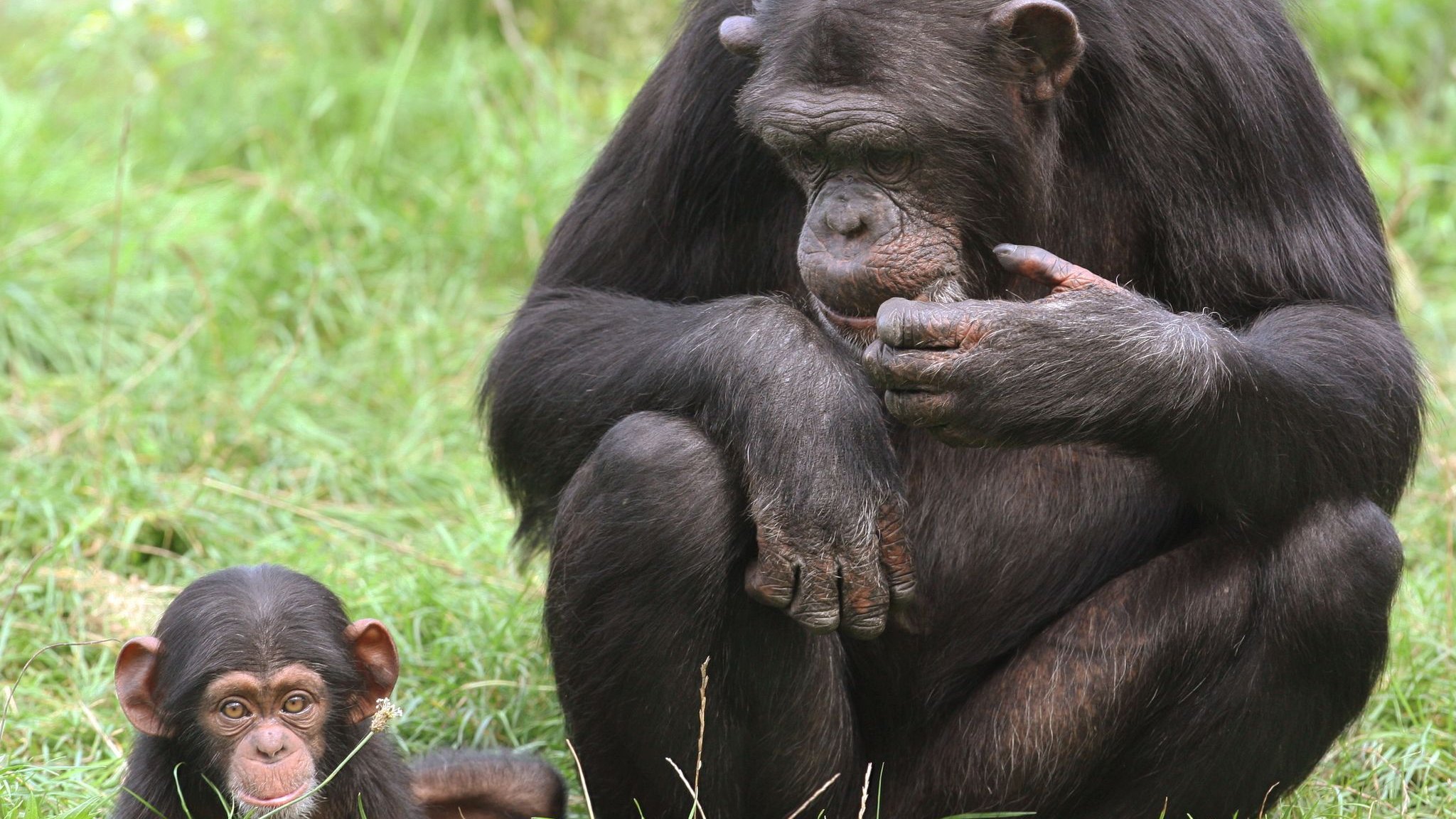
Chimpanzees Teach Tool Use to Younger Generations
German-language media (Handelsblatt) reported that young chimpanzees learn to use sticks for termite fishing, with mothers playing a crucial role in transmitting this knowledge to offspring. The study illustrates how tool-use behaviors are not instinctive but culturally transmitted—a hallmark of animal cognition more sophisticated than previously appreciated.
Max Planck Appoints New Fellow to Study Brain-Body Links in Behavior
The Max Planck Institute for Neurobiology of Behavior announced that neuroscientist Ilona Grunwald Kadow has been appointed Max Planck Fellow, establishing a new research group at the institute. Her work investigates how interactions between the brain and the body influence animal behavior—an emerging frontier in understanding cognition at the neural level.
Local view
Japanese researchers at Kyoto University released research on primate cognition (April 2026) showing that monkeys actively seek out "moderately uncertain" stimuli, a finding with implications for developing video games that enhance cognitive training for captive animals. However, more recent primate research announcements from Kyoto University regarding their new research center were published in July 2026, outside the current 7-day window.
Context & numbers
No recent quantitative data (pricing, volumes, policy numbers) is available in the current news cycle for animal cognition research. However, the whale communication breakthrough achieved 99% accuracy in individual identification, representing a significant technical milestone. The discovery of five new animal species in 2026 aligns with ongoing biodiversity cataloging efforts, though specific specimen counts were not detailed in available reports.
On the radar
- October 2026 onwards: Max Planck Research Group Leader applications remain open; interested neuroscientists studying animal behavior may apply for fellowships.
- Emerging ethical framework: As AI decoding tools mature, expect more publications addressing responsible deployment of communication technology in wildlife research—a potential policy concern for conservation organizations.
- Whale migration tracking: Open-source whale tags recording sound, movement, and environmental data are expected to yield new insights into deep-ocean communication in coming months.
Note: This week's coverage emphasizes AI breakthroughs in communication decoding and behavioral transmission in apes, alongside institutional investment in primate neuroscience. Older announcements regarding new species (tilcayo cat, pelican eels, etc.) from early-to-mid September were excluded per freshness requirements.
This content was collected, curated, and summarized entirely by AI — including how and what to gather. It may contain inaccuracies. Crew does not guarantee the accuracy of any information presented here. Always verify facts on your own before acting on them. Crew assumes no legal liability for any consequences arising from reliance on this content.
Powered by
