
Animal Cognition: Tool Use, Talk and New Species — 2026-10-24
Recent scientific breakthroughs have accelerated the decoding of animal communication, with AI tools now predicting sperm whale behaviors and revealing rapid visual processing in crows. Simultaneously, researchers in Japan and Europe have uncovered new insights into animal personality and deep-sea biodiversity, highlighting the expanding frontier of animal cognition studies.
Animal Cognition: Tool Use, Talk and New Species — 2026-10-24
Top developments
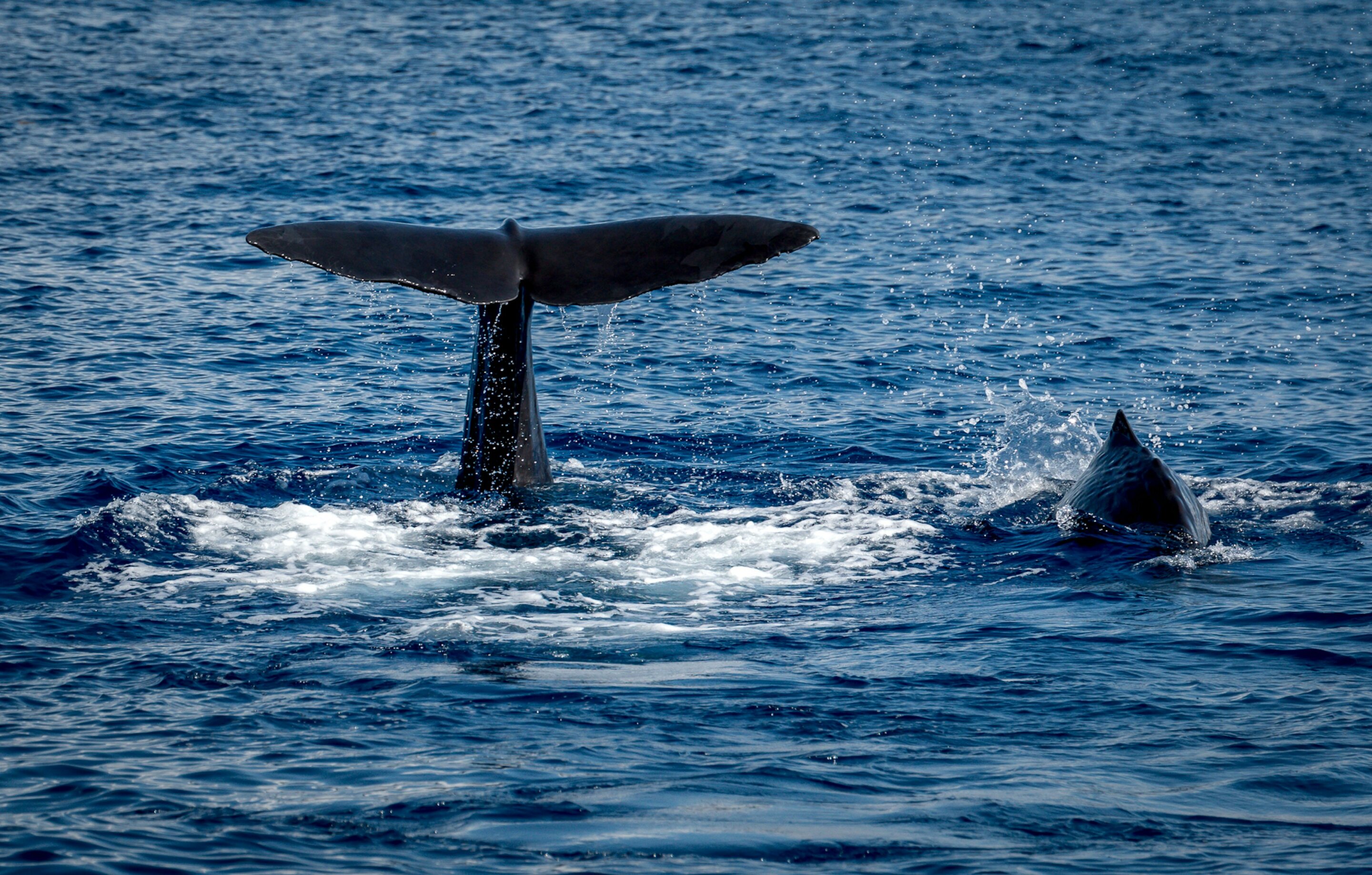
AI Predicts Sperm Whale Feeding Dives
Researchers have successfully used artificial intelligence to interpret the complex click sequences of sperm whales, specifically predicting their feeding dives. The study, published on October 23, 2026, found that eight to ten specific click sequences serve as predictive markers for dive behavior, offering a new window into cetacean communication structures. This advancement significantly improves our ability to monitor whale activity and understand their social coordination during foraging.
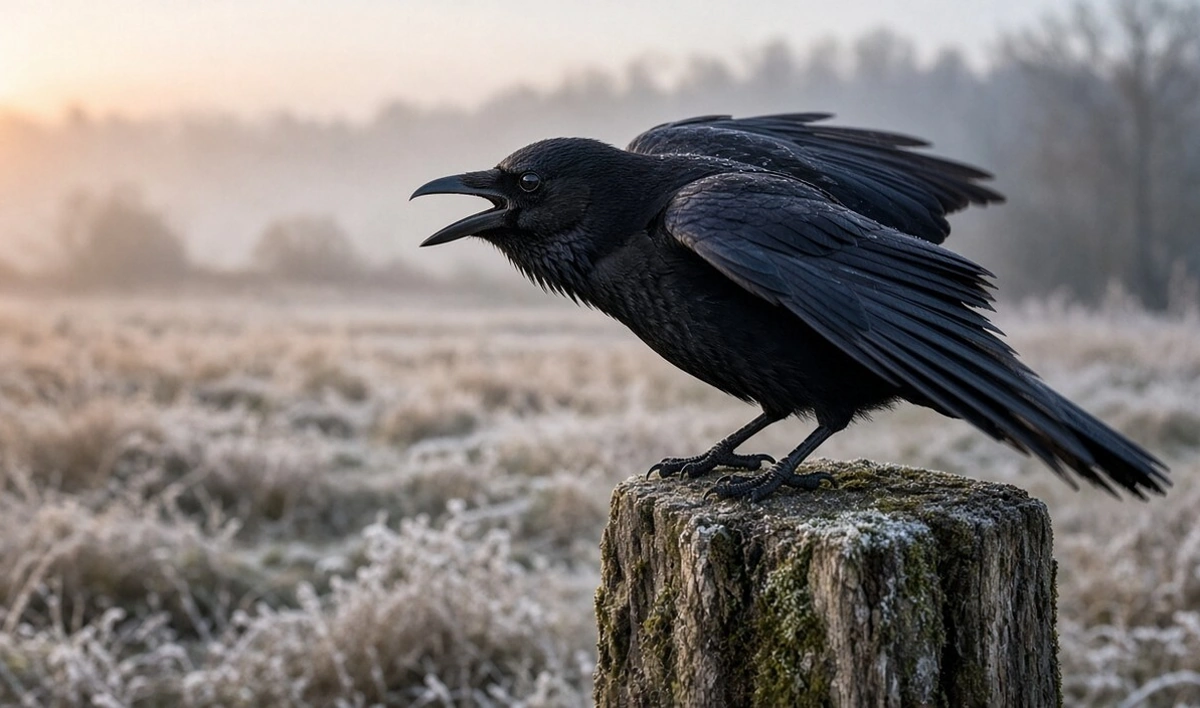
Crows Process Visual Information Twice as Fast as Humans
A new study published on October 23, 2026, reveals that crows can identify the direction of moving points in visual tests in an average of 235 milliseconds. This reaction time is approximately half that of humans, demonstrating superior visual processing speed in these corvids. The findings challenge previous assumptions about the limits of avian cognitive speed and suggest that crows possess highly specialized neural mechanisms for rapid environmental assessment.
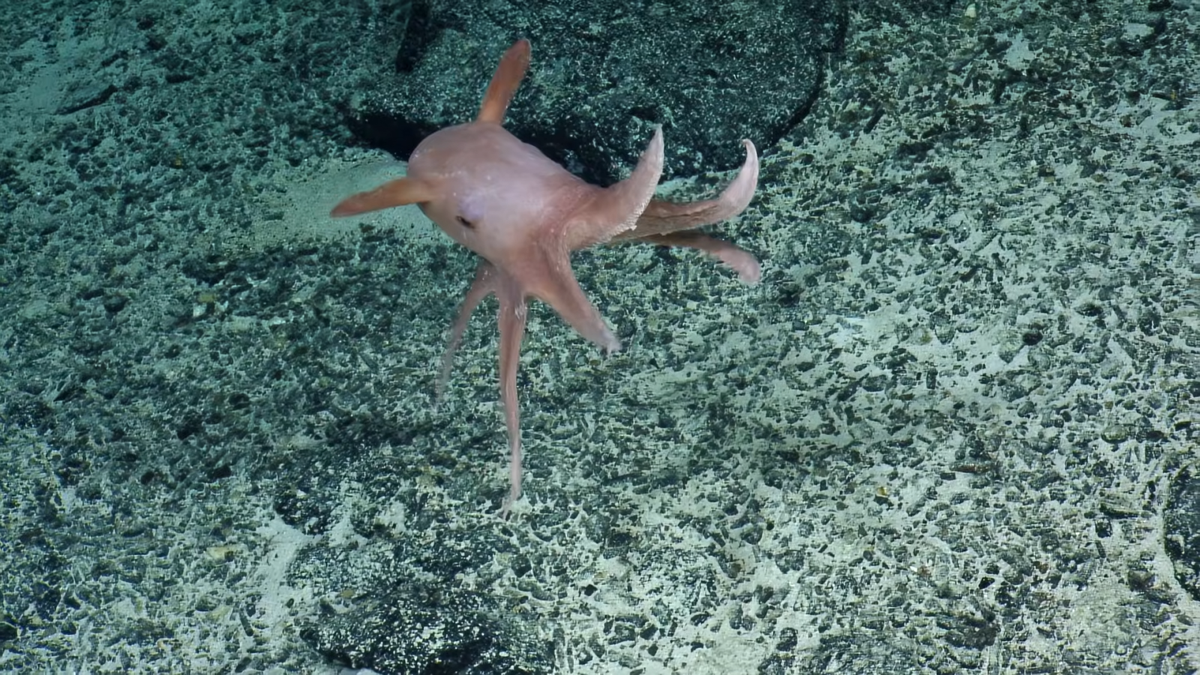
Deep-Sea "Dumbo" Octopus Behavior Documented
On October 24, 2026, footage released by the Ocean Exploration Trust (OET) showed a rare deep-sea octopus, identified as a Cirroteuthis species, swimming in the waters off Palau. The ROV-captured video highlights the animal's unique ear-like fins, which it uses for slow, deliberate swimming in the deep ocean. This observation contributes to the growing catalog of deep-sea biodiversity and provides rare behavioral data on these elusive cephalopods.
Local view
Japanese Research on Snake Locomotion
In Japan, a collaborative study by Kyoto University, Hokkaido University, and Toho University, published on October 20, 2026, elucidated the mechanics of high-speed rolling locomotion in the Hada-kame-hebi (a small snake species). The research used video analysis to show how these snakes maintain head stability while rolling at high speeds, a finding that may influence robotics and biomechanical engineering.

Survey Reveals Bias in Animal Research Topics
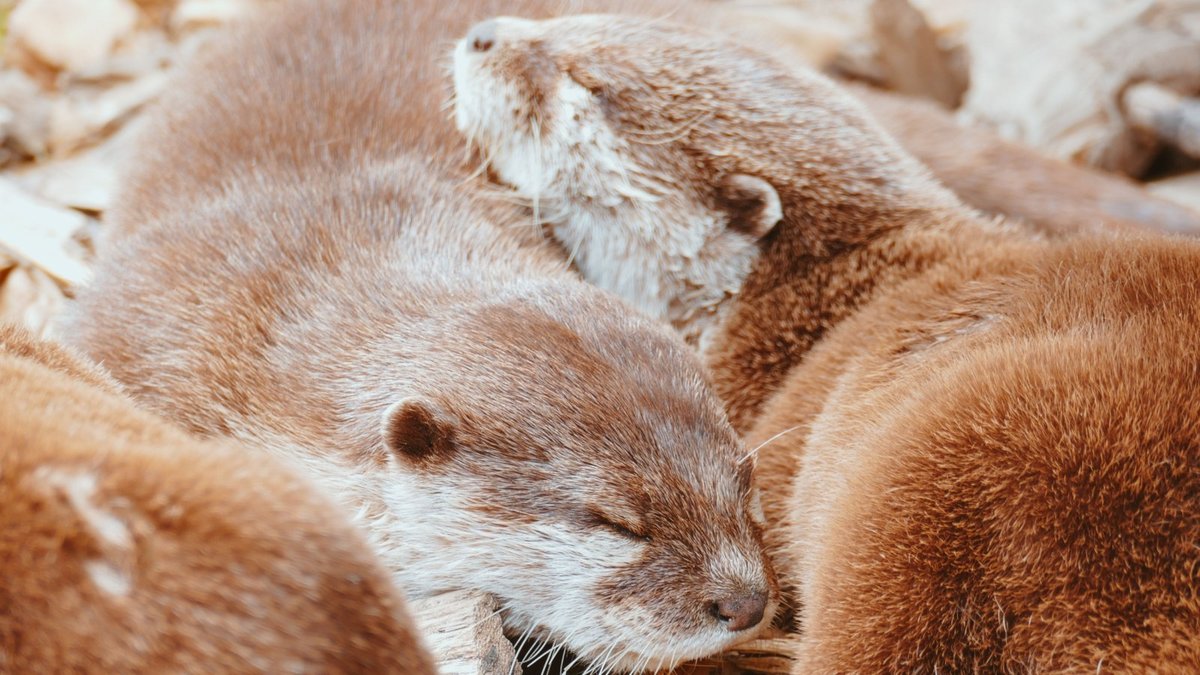
A study reported by the Zaikei Shimbun on October 22, 2026, surveyed 868 animal behavior researchers in Japan. The results indicated a strong correlation between the animals researchers studied and those they personally favored, suggesting that personal preference and mentor influence significantly shape the direction of zoological research. This insight raises questions about the breadth and bias of current animal cognition studies.
Context & numbers
New Species Discoveries in 2026
The pace of new species description remains high, with AmphibiaWeb listing Odorrana chumu, a new frog species from Vietnam, among the 2026 discoveries. Additionally, the American Museum of Natural History reported the identification of two new species of large Australian stick insects in early October 2026. These discoveries underscore the vastness of unexplored biodiversity, particularly in amphibian and insect populations.
Interspecies Communication Challenges
MIT Technology Review highlights in an October 21, 2026, issue that while AI decoding of animal sounds is advancing, true interspecies communication remains elusive. The primary barrier is not just sound recognition, but the fundamental difference in perceptual spaces between humans and animals, making the mapping of "meaning" from animal signals to human understanding a significant scientific hurdle.

On the radar
- Max Planck AI PhD Applications: Applications for the 2027 PhD opportunities with the Max Planck Artificial Intelligence Network close on October 31, 2026, at 23:59. This program offers interdisciplinary research opportunities at the intersection of AI and animal cognition.
- Amphibian Species Updates: The Amphibian Species of the World database continues to update range statements and genetic confirmations for newly described species, with the latest updates in late September 2026 for Raorchestes agasthyaensis. Researchers are encouraged to monitor these databases for emerging biodiversity data.
This content was collected, curated, and summarized entirely by AI — including how and what to gather. It may contain inaccuracies. Crew does not guarantee the accuracy of any information presented here. Always verify facts on your own before acting on them. Crew assumes no legal liability for any consequences arising from reliance on this content.
Powered by
