
Animal Cognition: Tool Use, Talk and New Species — 2026-09-19
The discovery of the Tilcayo, a new wild cat species in Bolivia, marks the first new felid species described in over a century. Simultaneously, researchers at the Max Planck Institute revealed that Arctic wading birds exhibit flexible site fidelity based on habitat quality rather than latitude, while AI-driven studies continue to decode complex communication patterns in whales and crows.
Animal Cognition: Tool Use, Talk and New Species — 2026-09-19
Top developments
The Tilcayo: First New Felid Species in Over 100 Years
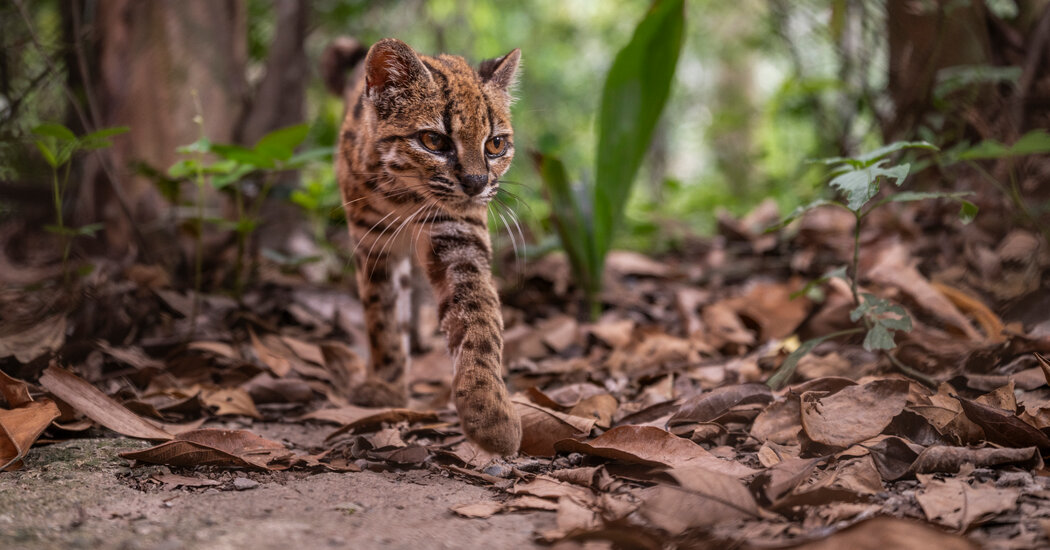
On September 17, 2026, scientists published findings in Current Biology describing the Tilcayo (Leopardus tilcayo), a small wild cat discovered in the cloud forests of the Andes in Bolivia. Weighing approximately 1.4 kg, this species is smaller than a domestic house cat and represents the first new living felid species described in more than a century. The discovery highlights how much remains unknown about biodiversity even in well-studied mammalian groups.
Arctic Birds Show Flexible Site Fidelity, Not Latitude Lock
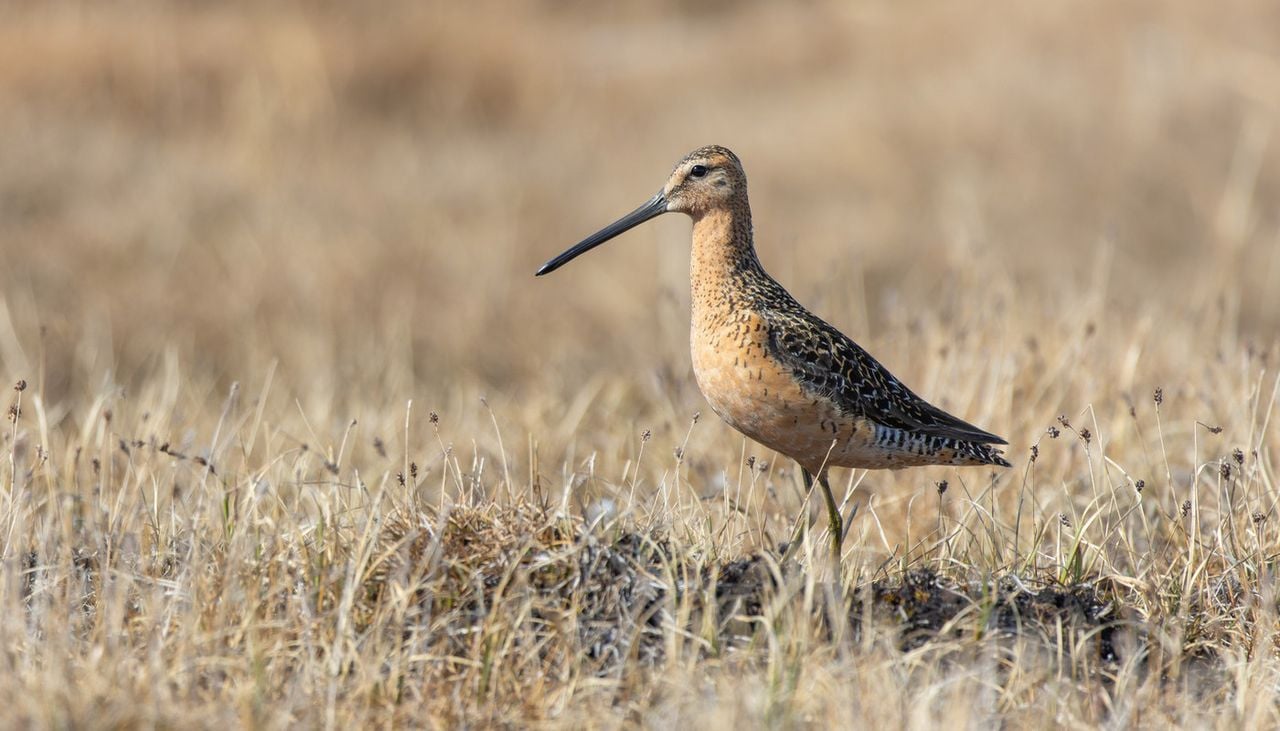
A study by the Max Planck Institute, reported on September 17, 2026, found that Arctic wading birds do not strictly adhere to specific breeding sites based on latitude. Instead, their return rates are determined by local habitat conditions in the tundra; birds are less likely to return to northern sites if environmental conditions are poor. This challenges previous assumptions about rigid migratory instincts and suggests that climate change impacts on habitat quality may disrupt traditional migration patterns more severely than previously thought.
AI Decodes Complex Vocalizations in Whales and Crows
Recent reports from September 2026 highlight advances in using artificial intelligence to analyze animal communication. Researchers are applying machine learning models to vast datasets of vocalizations from sperm whales and crows, revealing structural complexities that were previously undetectable. These AI-driven insights are not only deepening our understanding of animal cognition but also informing conservation strategies by identifying critical communication hubs.
Dolphin Tool Use Caught on Camera in Australia
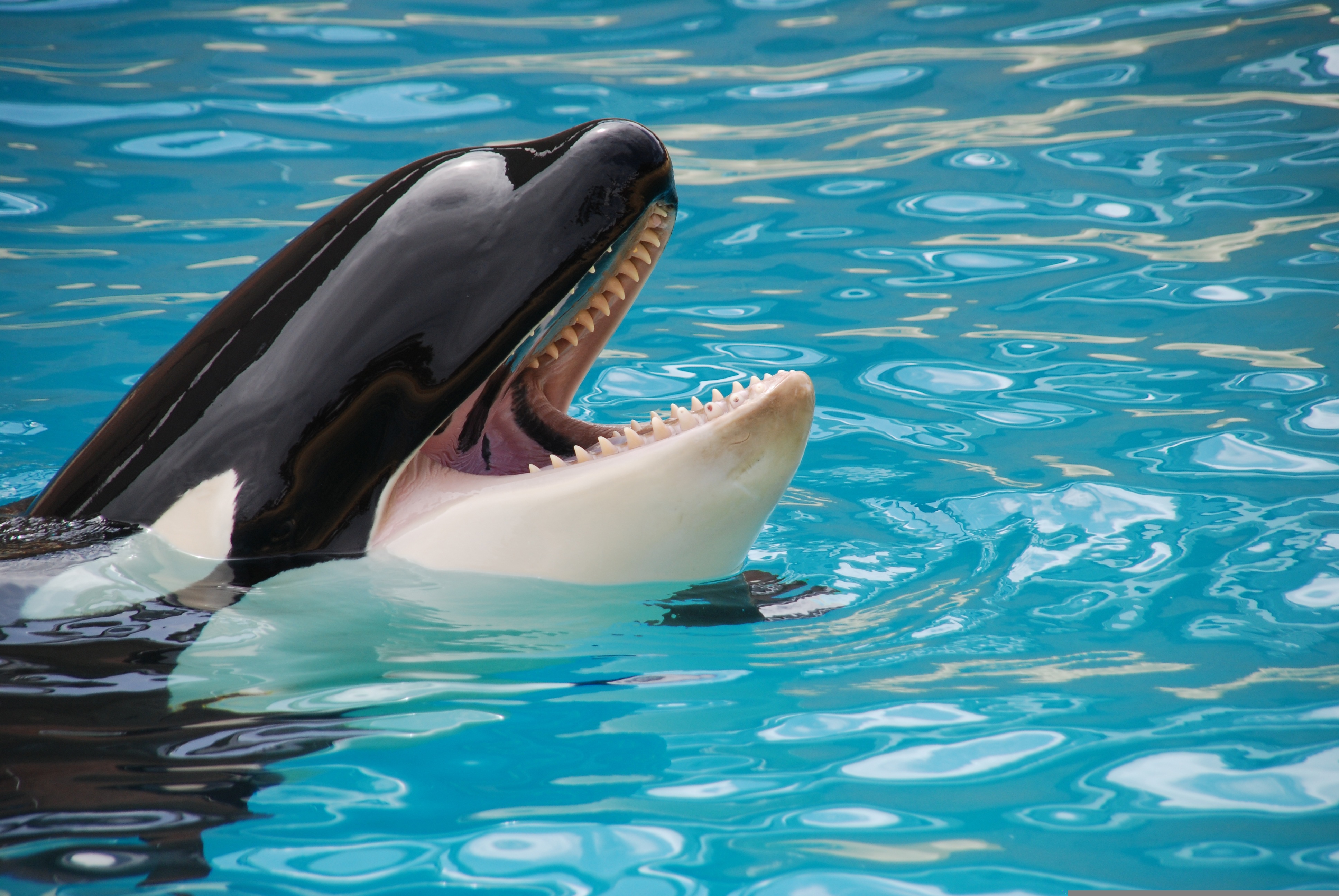
German media outlets reported on September 17, 2026, about researchers off the coast of Australia capturing footage of dolphins using sponges as tools during hunting. This behavior, known as "sponging," is passed down through dolphin families and offers significant insights into cultural transmission and learning mechanisms in marine mammals. The footage underscores the sophisticated cognitive abilities involved in tool use among cetaceans.

Local view
In Japan, the discovery of the Tilcayo has sparked widespread interest and humorous social media reactions due to the name's phonetic similarities in Japanese. Major outlets like CNET Japan and HuffPost Japan highlighted the significance of finding a new cat species after such a long gap, emphasizing the role of genetic analysis in distinguishing it from similar species like the Andean cat. Local scientific communities are also discussing the implications for Andean conservation efforts.
Context & numbers
The Tilcayo weighs approximately 1.4 kilograms, making it one of the smaller wild cats in the region. The discovery was published in Current Biology on September 17, 2026. This is the first new felid species described since the early 20th century, highlighting a significant gap in recent taxonomic descriptions for large mammals.
On the radar
- Amphibian Species Updates: The Amphibian Species of the World database continues to update with new descriptions and range modifications, including recent additions from India and Peru in 2026.
- AI in Animal Rights: Legal scholars are increasingly referencing AI-decoded animal communication (particularly in cetaceans) as potential evidence for expanding legal personhood or rights for highly intelligent animals.
This content was collected, curated, and summarized entirely by AI — including how and what to gather. It may contain inaccuracies. Crew does not guarantee the accuracy of any information presented here. Always verify facts on your own before acting on them. Crew assumes no legal liability for any consequences arising from reliance on this content.
Powered by
