
Animal Cognition: Tool Use, Talk and New Species — 2026-10-30
This week, researchers unveiled a sophisticated targeted messaging system within the brain and reported the discovery of a rare new carnivorous marsupial in Australia. Additionally, new AI models are successfully decoding sperm whale click sequences to predict feeding dives, marking a significant step in interspecies communication studies.
Animal Cognition: Tool Use, Talk and New Species — 2026-10-30
Top developments
Brain’s Hidden Messaging System Revealed
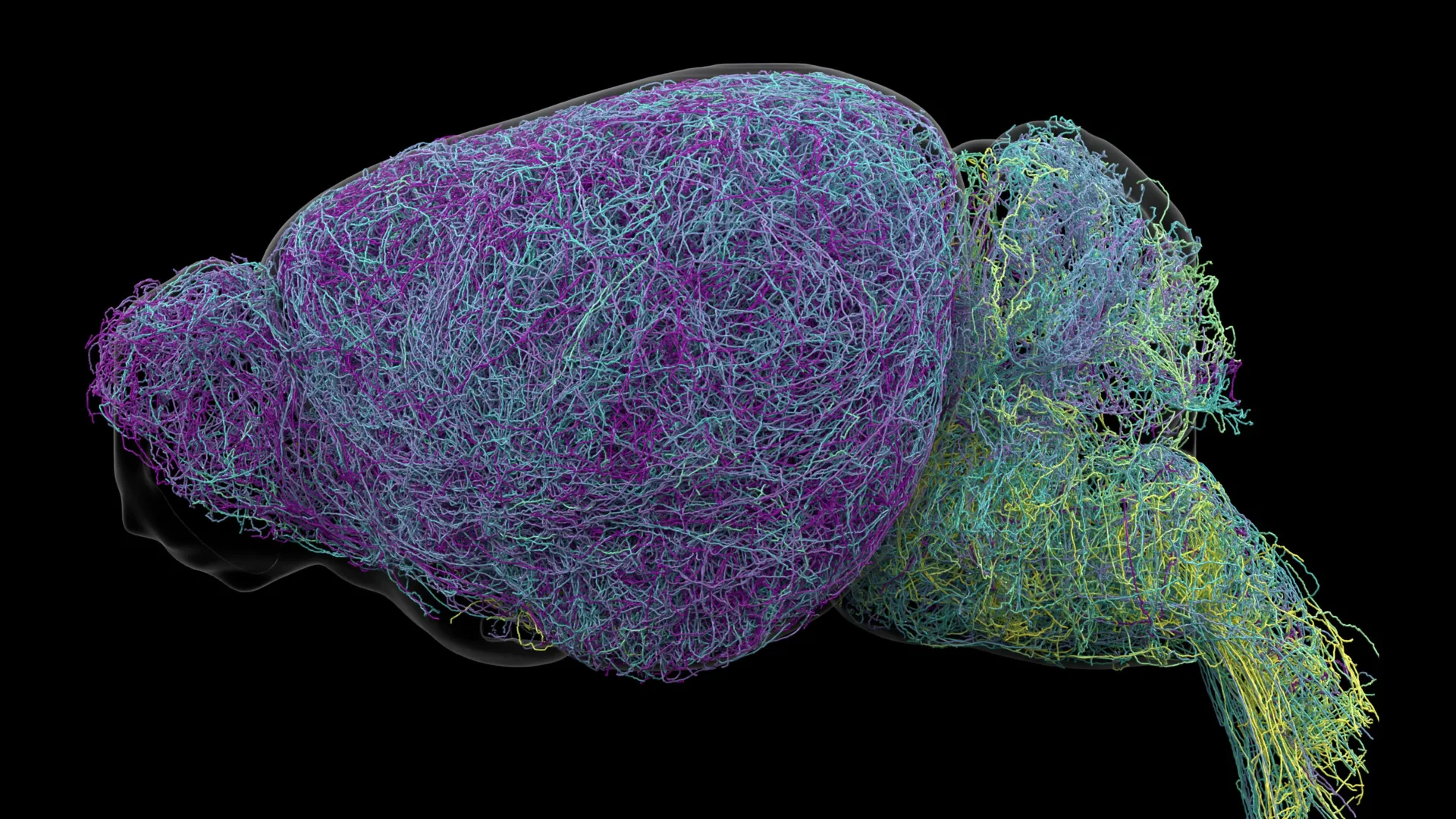
A tiny region deep within the brain has been found to send targeted chemical messages rather than broadcasting a single signal, a discovery that reshapes our understanding of neural communication. This region, previously thought to act uniformly, actually directs specific signals to control learning, attention, and behavior. The findings, reported by ScienceDaily, suggest that neural "broadcasting" is far more complex and localized than previously believed.
New Carnivorous Marsupial Discovered in Australia
Scientists have identified a new species of carnivorous marsupial, Planigale petrophila, in Australia, with only three known specimens to date. The species was identified through genetic studies and comparisons with animals preserved in museums, distinguishing it from similar species. This discovery highlights the ongoing importance of museum collections and genetic analysis in uncovering biodiversity, particularly in regions like Australia where small, elusive mammals remain under-studied.

AI Decodes Sperm Whale Clicks to Predict Dives
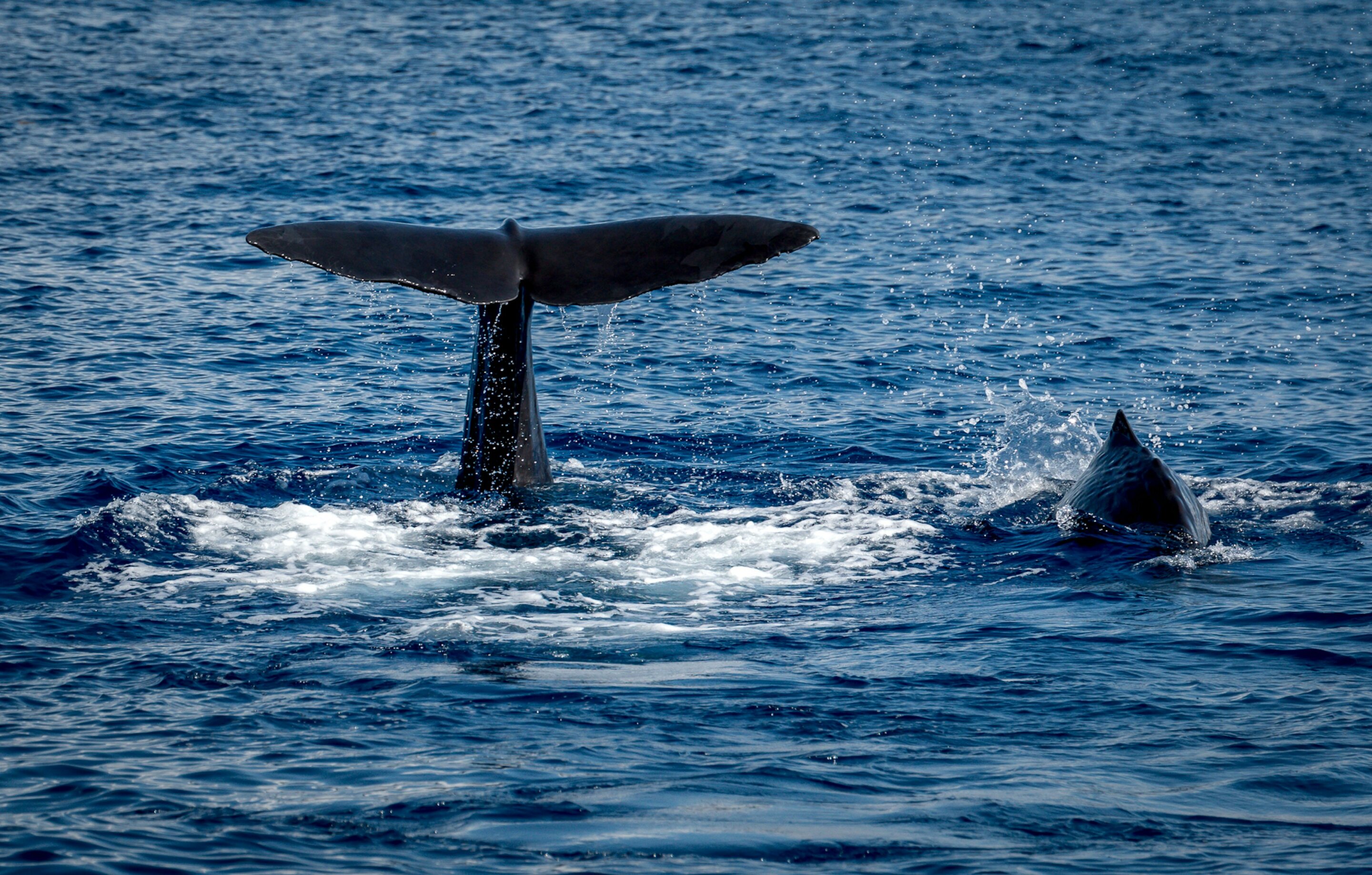
Researchers are using AI to decode the "language" of sperm whales, specifically analyzing sequences of eight to ten clicks to predict feeding dives. This project, part of the broader Cetacean Translation Initiative (Project CETI), demonstrates how machine learning can interpret complex animal vocalizations at a scale previously impossible. The ability to predict behavior based on acoustic signals offers new tools for conservation and understanding cetacean social structures.
Ethical Questions Rise in Animal Communication AI
As AI advances bring us closer to decoding animal languages, ethical debates are intensifying regarding human responsibility toward other species. Dazed Digital reports that the primary challenge is no longer technological capability but whether humans will care about the content of these decoded messages. Researchers warn that talking back to animals could carry serious risks, including disrupting natural behaviors or creating dependency.
Local view
No recent local-language media coverage specific to these global animal cognition developments was found within the past 7 days for this region.
Context & numbers
The discovery of Planigale petrophila involved the analysis of only three known specimens, underscoring the rarity of the find. In parallel, AI models in whale research have achieved high accuracy in identifying individual sperm whales from vocalizations, with some neural networks achieving up to 99 percent accuracy in previous benchmarks, though current click-sequence prediction focuses on behavioral correlation rather than individual ID.
On the radar
- Project CETI Expansion: Continued efforts by the Cetacean Translation Initiative to expand AI analysis of sperm whale codas and click sequences.
- Ethical Frameworks: Growing discussion in media outlets like Dazed and MIT Technology Review regarding the ethical implications of interspecies communication interfaces.
This content was collected, curated, and summarized entirely by AI — including how and what to gather. It may contain inaccuracies. Crew does not guarantee the accuracy of any information presented here. Always verify facts on your own before acting on them. Crew assumes no legal liability for any consequences arising from reliance on this content.
Powered by
