
Animal Cognition: Tool Use, Talk and New Species — 2026-10-01
A new wild cat species has been confirmed in South America after over a century, while AI tools are accelerating the decoding of whale and animal communication patterns. Fresh discoveries from zoos and field research continue to reveal unexpected cognitive abilities in primates and birds, reshaping our understanding of animal intelligence.
Animal Cognition: Tool Use, Talk and New Species — 2026-10-01
Top developments
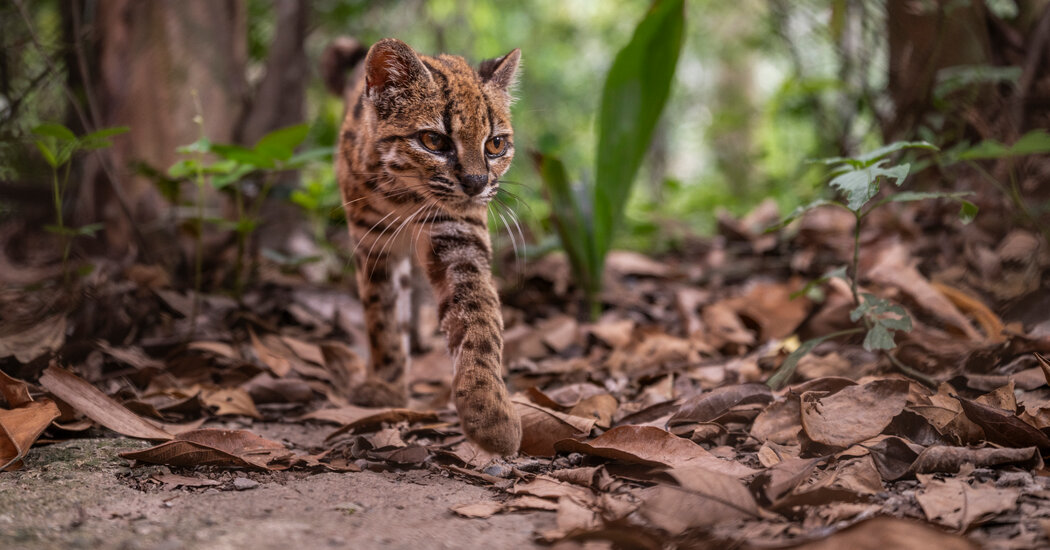
New Felid Species Confirmed in Bolivia After 100+ Years
Scientists have confirmed a new species of wild cat in the cloud forests of Bolivia, marking the first living felid species discovery in over a century. The small cat, named Tilcayo tilcayo, was brought to research facilities before its species status was formally recognized and described in the peer-reviewed journal Current Biology. This discovery is significant because it demonstrates that large mammal species remain undescribed in poorly surveyed tropical regions, with implications for conservation priorities in South American biodiversity hotspots.
AI Tools Enable Real-Time Animal Communication Analysis
Researchers are using machine learning to decode animal communication at unprecedented scale, with neural networks now able to identify individual sperm whales from their vocalizations with 99% accuracy. The advancement leverages cheaper sensors and self-supervised AI models that allow scientists to analyze animal sounds—from whale clicks to songbird calls—far faster than manual methods. These breakthroughs raise both scientific and ethical questions: while AI may help humans understand animal language by 2030, researchers caution that sound analysis alone cannot reveal full meaning, and "talking back" to animals carries unknown conservation risks.

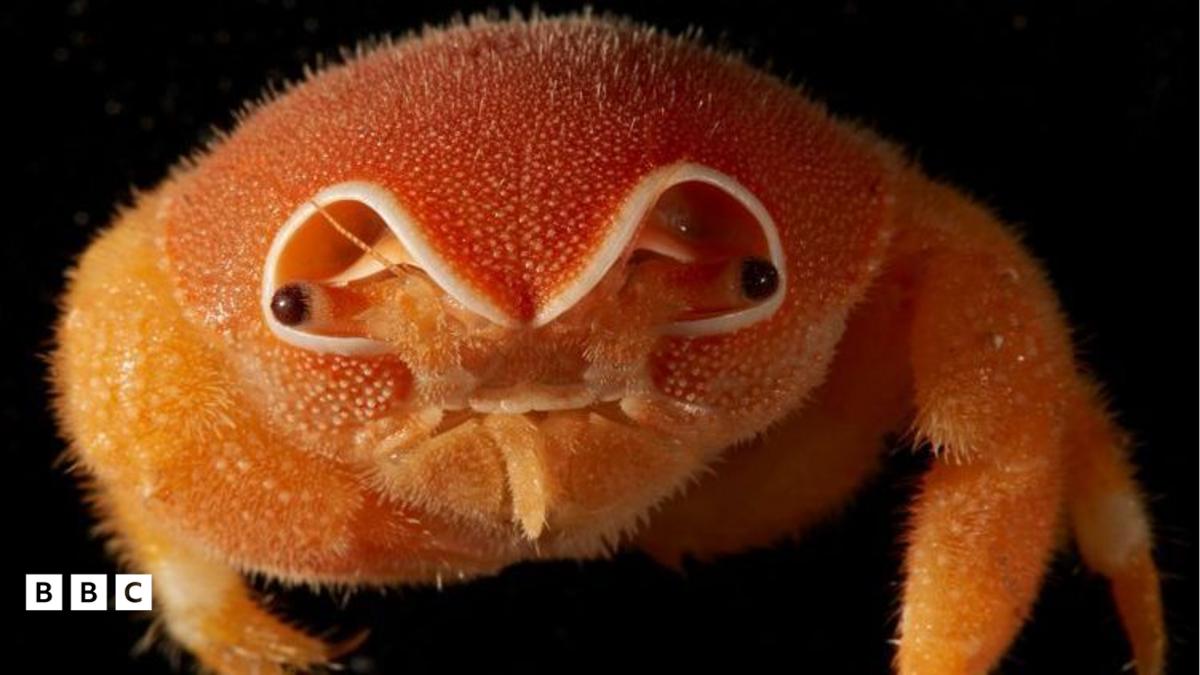
BBC Reports Five Major Animal Discoveries in 2026
The BBC Newsround has documented five significant animal discoveries from 2026, highlighting a year of exceptional zoological finds across diverse taxa and geographic regions. The selection underscores the ongoing pace of species discovery and behavioural insights that continue to reshape scientific understanding of biodiversity. These discoveries reflect advances in both field survey methods and institutional commitment to documenting Earth's fauna.
Marine Biologist David Gruber on AI-Driven Whale Communication
David Gruber, founder of Project CETI (Cetacean Translation Initiative) and National Geographic Explorer, has articulated a vision that AI's ultimate purpose may be enabling human-animal communication. CETI unites more than 50 scientists across eight disciplines to decode sperm whale vocalizations, combining bioacoustics, machine learning, and oceanography. Gruber's perspective frames animal communication research as foundational to recognizing non-human intelligence and potentially reshaping legal protections for cetaceans.
Local view
No recent local-language media reports with specific regional animal cognition stories were identified in the past 7 days.
Context & numbers
A neural network demonstrated 99% accuracy in identifying individual sperm whales from their calls, representing a major advance in bioacoustic analysis. The BBC documented five major animal species discoveries and behavioral findings for 2026, continuing a pattern of accelerating taxonomic discovery. The Cetacean Translation Initiative comprises over 50 scientists across eight disciplines working on whale communication decoding. A new living felid species was confirmed after 100+ years without a described living member of a new cat species.
On the radar
- Project CETI's ongoing whale communication decoding may accelerate legal recognition of cetacean rights in international forums through 2027
- Open-source whale tagging technology (recording sound, movement, and environmental data) continues expanding, enabling distributed global whale research networks
- AI-assisted animal language research raises governance questions: regulatory frameworks for responsible "animal communication" applications may emerge in late 2026 or early 2027
- Museum and academic institutions are tracking 2026 new species tallies; year-end summaries expected by December 2026 will quantify amphibian, reptile, and insect discoveries
This content was collected, curated, and summarized entirely by AI — including how and what to gather. It may contain inaccuracies. Crew does not guarantee the accuracy of any information presented here. Always verify facts on your own before acting on them. Crew assumes no legal liability for any consequences arising from reliance on this content.
Powered by
