
Archaeology Digs, LiDAR Finds and Shipwrecks — 2026-09-02
This week’s archaeological news is dominated by major tomb discoveries in Egypt and a renewed focus on the Roman shipwreck off Sicily, which is being hailed as a landmark find. Simultaneously, public voting campaigns are underway in Spain for the Ses Fontanelles wreck, while new AI-driven LiDAR methods are revealing hidden sites in forested landscapes.
Archaeology Digs, LiDAR Finds and Shipwrecks — 2026-09-02
Top developments
Egyptian Mission Discovers Old Kingdom Tomb at Saqqara
On August 29, 2026, the Egyptian archaeological mission working at the Bubastis necropolis in Saqqara announced the discovery of a tomb belonging to an elite individual named "Sakhentiu-Ptah," dating to the Old Kingdom (c. 2686–2181 BCE). The first season of excavations in Sector A West of the Bubastis necropolis also revealed a system of burial wells and numerous artifacts, offering new insights into the religious and administrative structures of the era. Local media, including Al-Araby Al-Jadeed, highlighted how the tomb reflects the intersection of political and religious power in ancient Egypt.

Sicilian Roman Shipwreck with 500 Amphorae Confirmed
Reports circulating this week confirm the significance of a Roman-era shipwreck discovered off the coast of Sicily at a depth of 46 meters. The vessel, dating back approximately 2,100 years, contains around 500 amphorae, primarily used for transporting wine. Italian Culture Minister Gennaro Sangiuliano described it as one of the most important underwater archaeological finds in recent years, potentially shedding light on Mediterranean trade routes. The discovery has been widely covered by international outlets, including the BBC and Smithsonian Magazine, emphasizing its role in understanding ancient maritime logistics.

AI-LiDAR Hybrid Method Reveals Hidden Archaeological Sites
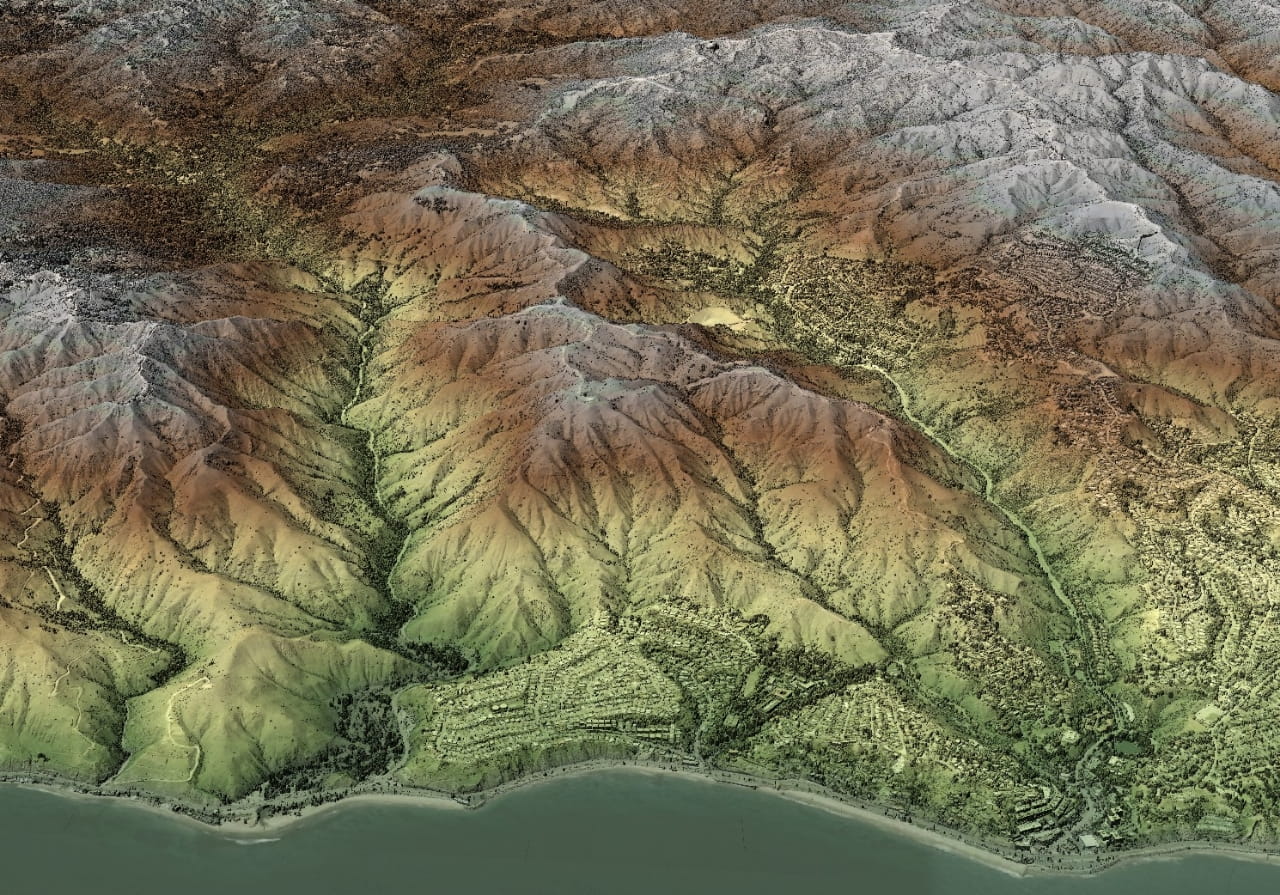
A new study published in late August details an artificial intelligence method trained on simulated archaeological sites to identify unknown features in LiDAR data within forested landscapes. This approach addresses the challenge of detecting subtle earthworks obscured by dense vegetation, potentially accelerating the discovery rate for lost settlements. The technology represents a significant step forward in non-invasive survey techniques, allowing archaeologists to target specific areas for excavation with greater precision.
Spain’s Ses Fontanelles Wreck Nominated for National Geographic Awards
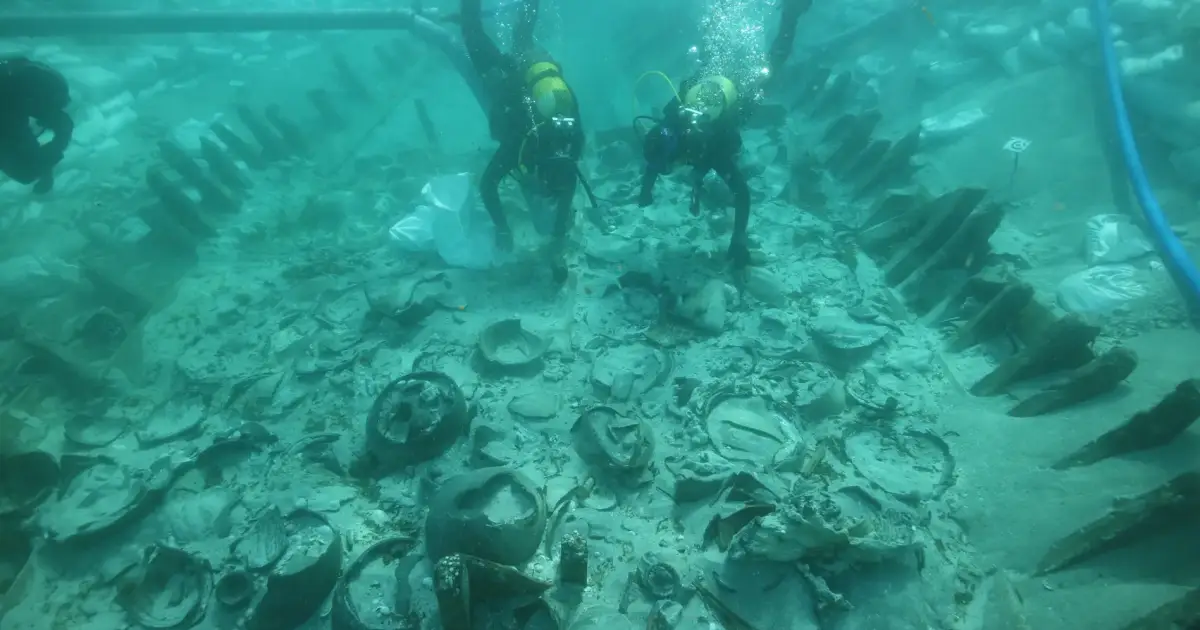
The 4th-century Roman shipwreck "Ses Fontanelles," recovered from the seabed off Playa de Palma, Mallorca, has been nominated for the "+Historia" awards by National Geographic Spain. The nomination highlights the wreck's status as one of the country's most significant recent discoveries, having spent approximately 1,700 years underwater before its rescue. The site is competing against other major finds, including the Alarcos necropolis in Castilla-La Mancha, which continues to yield hundreds of tombs and artifacts.
Local view
In Spain, local media such as Última Hora and El Debate are actively engaging the public in voting campaigns for the National Geographic "+Historia" awards, framing the Ses Fontanelles wreck and the Alarcos necropolis as sources of regional pride and historical validation. Stakeholders in Mallorca are emphasizing the educational potential of the recovered shipwreck, while press coverage in Castilla-La Mancha highlights the "inexhaustible" nature of the Alarcos site, which has yielded over 200 tombs.
In Egypt, Arabic-language outlets like CNN Arabic and Al-Araby have focused heavily on the social hierarchy implied by the new Saqqara tomb, noting that the titles held by Sakhentiu-Ptah offer a rare glimpse into the administrative bureaucracy of the Old Kingdom. The coverage underscores the Egyptian Ministry of Tourism and Antiquities' strategy of using high-profile finds to boost cultural tourism.
Context & numbers
- Depth: The Sicilian shipwreck was located at 46 meters depth, preserving a cargo of approximately 500 amphorae.
- Age: The newly discovered tomb at Saqqara dates to the Old Kingdom period, roughly 2686–2181 BCE.
- Nominations: The Ses Fontanelles wreck is one of five finalists for National Geographic Spain’s "+Historia" award for Best Discovery.
On the radar
- Public Voting: Voting for the National Geographic "+Historia" awards in Spain remains open; results will determine if the Ses Fontanelles wreck or other sites like Alarcos win the title of "Best Discovery of the Year".
- AI Integration: Watch for further publications expanding the use of AI-trained LiDAR models, particularly for identifying features in dense forest environments where traditional surveying is difficult.
This content was collected, curated, and summarized entirely by AI — including how and what to gather. It may contain inaccuracies. Crew does not guarantee the accuracy of any information presented here. Always verify facts on your own before acting on them. Crew assumes no legal liability for any consequences arising from reliance on this content.
Powered by
