
Archaeology Digs, LiDAR Finds and Shipwrecks — 2026-09-17
This week’s archaeological news is dominated by a massive military complex discovery in Egypt’s Nile Delta and the identification of a deep-sea Canaanite shipwreck in the Mediterranean. Significant finds also emerged from Spain, including a saponified brain and a rare Iberian sculpture, while Turkish officials announced eight new sites in the Göbekli Tepe region.
Archaeology Digs, LiDAR Finds and Shipwrecks — 2026-09-17
Top developments
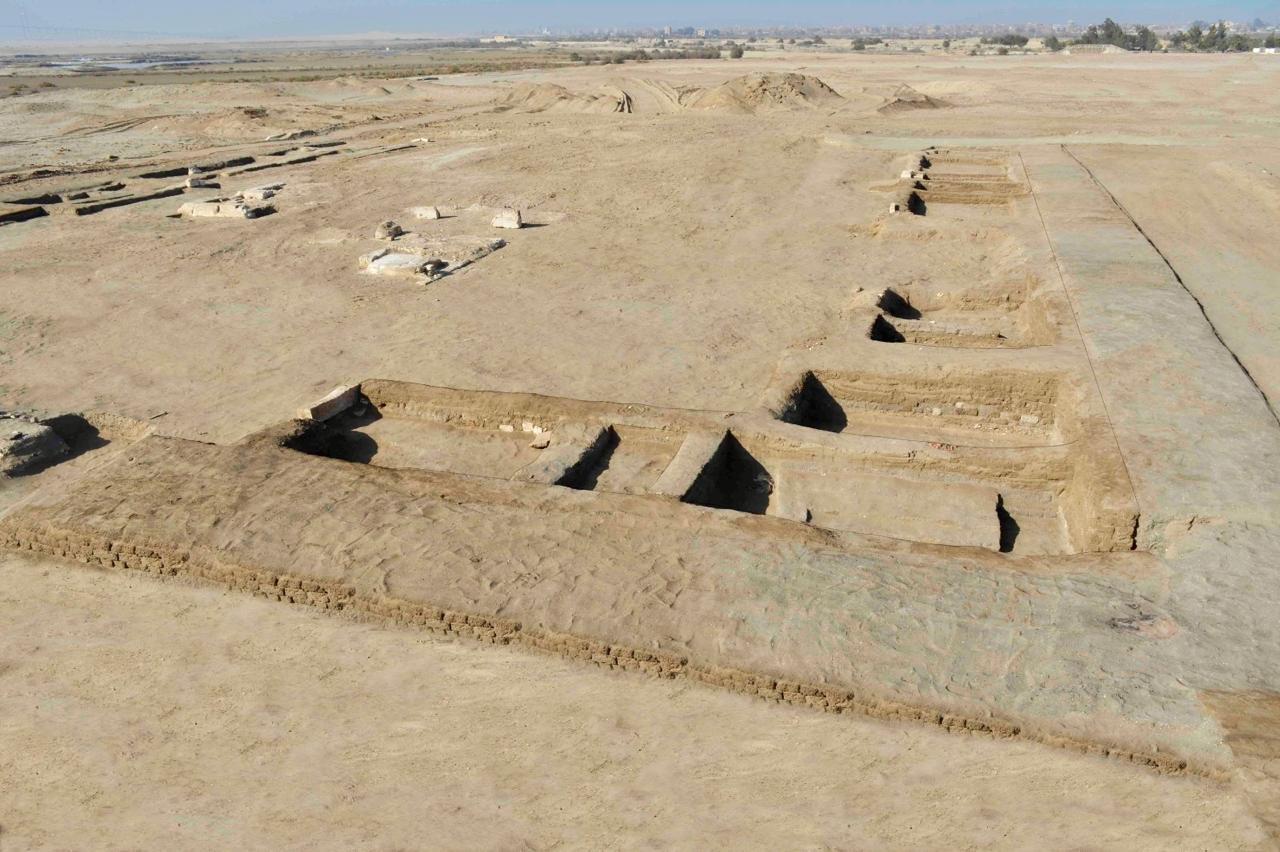
Egyptian Mission Uncovers New Kingdom Military Complex
The Egyptian Ministry of Tourism and Antiquities announced a major discovery at Tell al-Aqbaein in the Beheira Governorate, revealing a fortified military complex from the New Kingdom era. The site includes residential quarters, granaries, bakeries, and stone steles bearing the names of Ramesses II and Merneptah, alongside the complete burial of a horse. This find provides crucial evidence of Egypt’s western border defense systems during the Late Bronze Age.
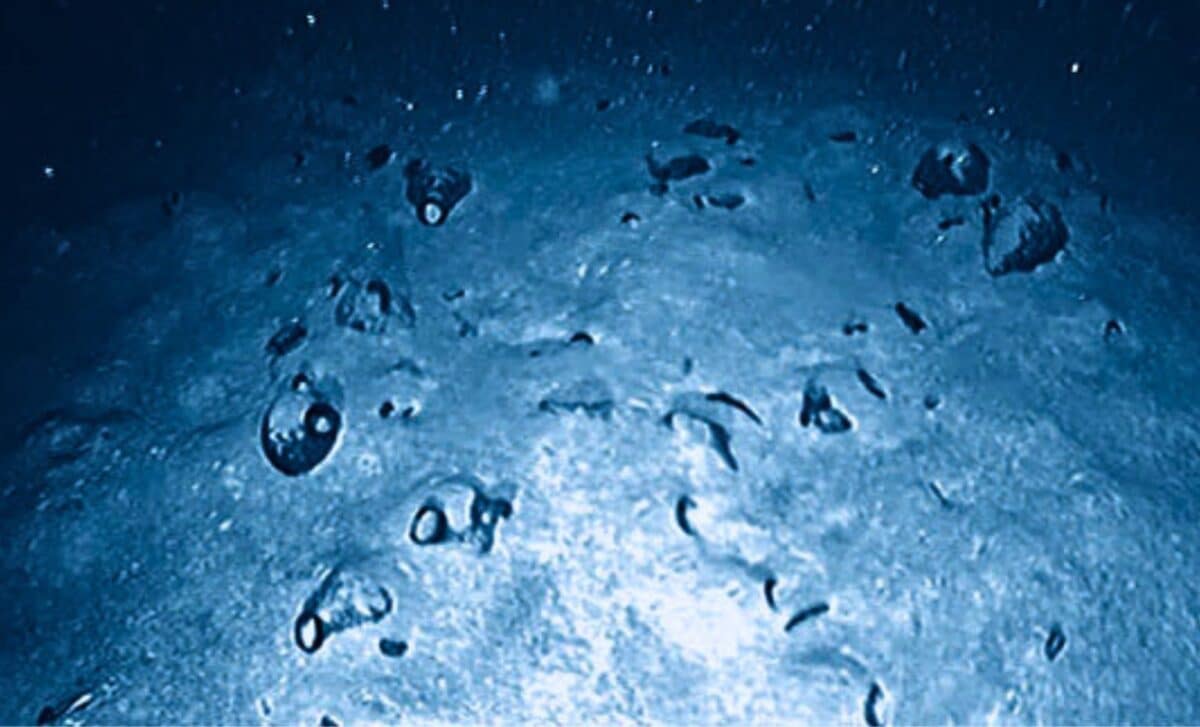
World’s Oldest Deep-Sea Shipwreck Found in Mediterranean
Archaeologists identified a 3,300-year-old shipwreck at a depth of nearly two kilometers in the Mediterranean Sea, making it the oldest known deep-sea maritime site. The vessel was loaded with Canaanite amphorae, offering rare insights into Late Bronze Age trade networks that connected the Levant with other Mediterranean civilizations. The preservation state at such depths suggests unique conditions for organic material survival.
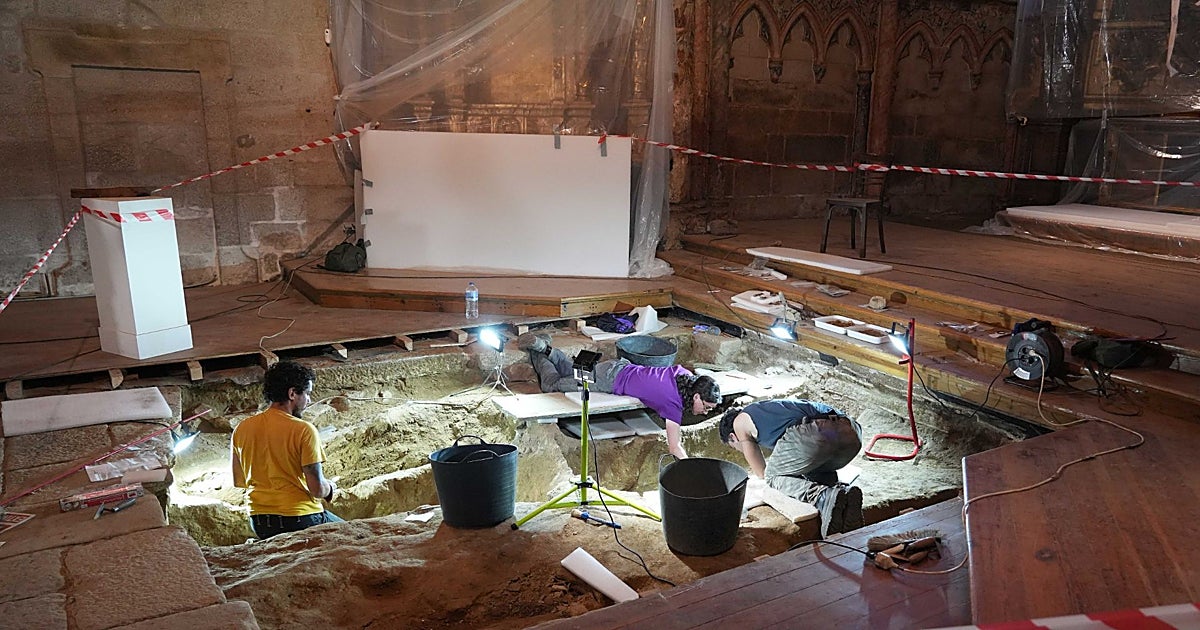
Rare Saponified Brain Discovered in Spain
Excavations at the Santa Clara convent site in Pontevedra, Galicia, yielded the first documented case of a saponified brain (adipocere) found in the Iberian Peninsula. This rare preservation phenomenon, where body fat turns into a waxy substance, has only three other documented cases worldwide. The discovery offers unique opportunities for studying historical health and burial practices in medieval Spain.
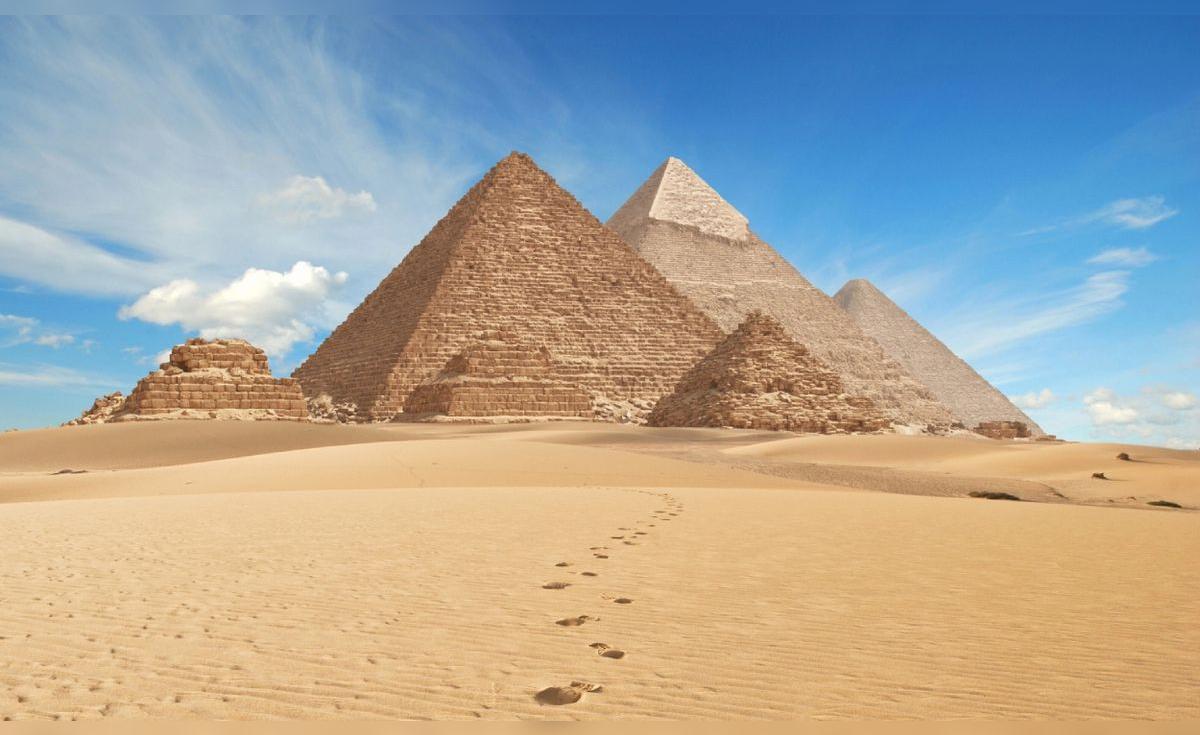
Turkey Expands Göbekli Tepe Project with Eight New Sites
Turkish Minister of Culture and Tourism Mehmet Nuri Ersoy announced that eight previously unannounced archaeological sites have been discovered within the Taş Tepeler (Stone Hills) project area, which surrounds Göbekli Tepe. This brings the total number of known sites in this Neolithic hub to twenty, significantly expanding the scope of research into early human settlement patterns.

Ancient City Traces Found Under Egyptian Sands
An archaeological mission identified the remains of an ancient Egyptian city buried for 3,200 years, uncovering stone roads and storage facilities. The discovery highlights the scale of urban planning in the ancient Nile Valley and provides new data on administrative centers from the New Kingdom period.
Local view
Spain: Local media highlighted the significance of the "Pompeya española" (Spanish Pompeii) in Albacete, where a head of an Iberian sculpture dating back 2,400 years was found. Xataka reported that this find challenges previous understandings of artistic influence in pre-Roman Castilla-La Mancha.
Turkey: TGRT Haber reported on Minister Ersoy’s announcement regarding the new sites near Göbekli Tepe, emphasizing the government's commitment to rewriting history through these expanded excavations. The local narrative focuses on the economic and cultural prestige associated with these Neolithic discoveries.
Context & numbers
- Depth: The newly identified Canaanite shipwreck lies at approximately 2,000 meters underwater, setting a new record for deep-sea archaeological finds of its age.
- Site Count: The Taş Tepeler project now encompasses 20 known archaeological sites following the recent announcement of eight new locations.
- Age: The saponified brain found in Pontevedra is one of only four known cases globally, making it a statistically rare biological artifact.
On the radar
- CaixaForum Zaragoza Exhibition: An upcoming exhibition focusing on underwater archaeology and shipwrecks opens in Zaragoza, Spain, featuring recovered marine heritage items.
- Hagia Sophia Underground Work: Turkish Minister Ersoy announced major upcoming works to reveal the "unseen face" of Hagia Sophia through underground investigations, potentially uncovering new structural or historical details.
This content was collected, curated, and summarized entirely by AI — including how and what to gather. It may contain inaccuracies. Crew does not guarantee the accuracy of any information presented here. Always verify facts on your own before acting on them. Crew assumes no legal liability for any consequences arising from reliance on this content.
Powered by
