
Archaeology Digs, LiDAR Finds and Shipwrecks — 2026-09-25
This week's biggest stories: the first human burials ever found at Göbeklitepe in Turkey; a burned 2,000-year-old wall in Paris that may mark the lost Gallic city of Lutetia; a major LiDAR reveal of 200+ prehispanic mounds in Ecuador; and a Roman-era pyramid tomb in Egypt's Dakhla Oasis. Shipwreck news ranges from a child's metal-detector find in Canada to Iron Age cargo dredged from the Danube.
Archaeology Digs, LiDAR Finds and Shipwrecks — 2026-09-25
Top developments
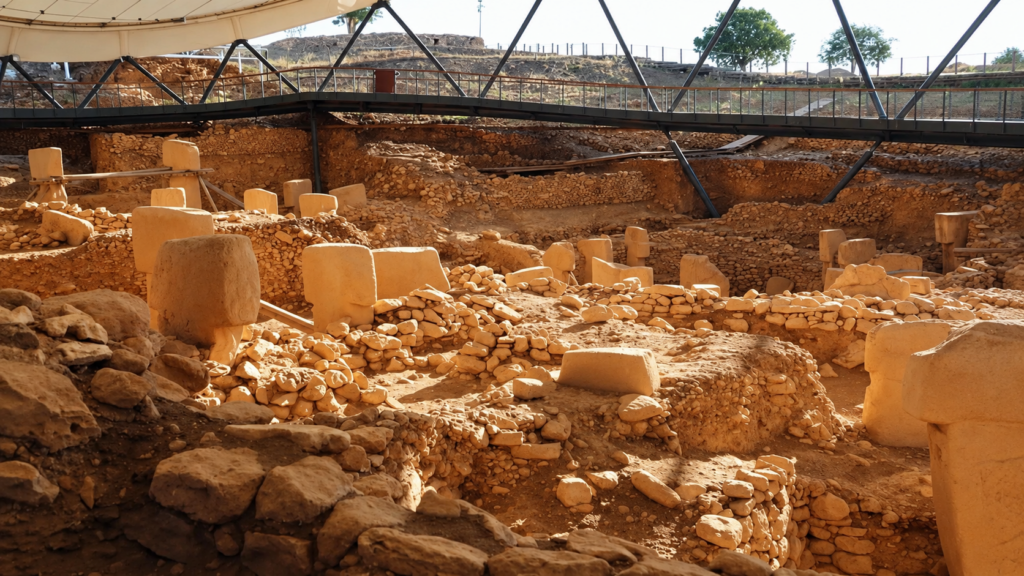
First human burials at Göbeklitepe
Archaeologists at Göbeklitepe, the ~11,500-year-old monumental site in Turkey's Şanlıurfa province, have uncovered its first intact human burials, dated to roughly 10,000 years ago. The finds may resolve a decades-long puzzle over the site's hundreds of scattered, disarticulated human bones — with researchers suggesting the dispersed remains are explained not by a skull cult but by landslides disturbing earlier interments. The discovery reshapes debate about how the site's enclosures were used.
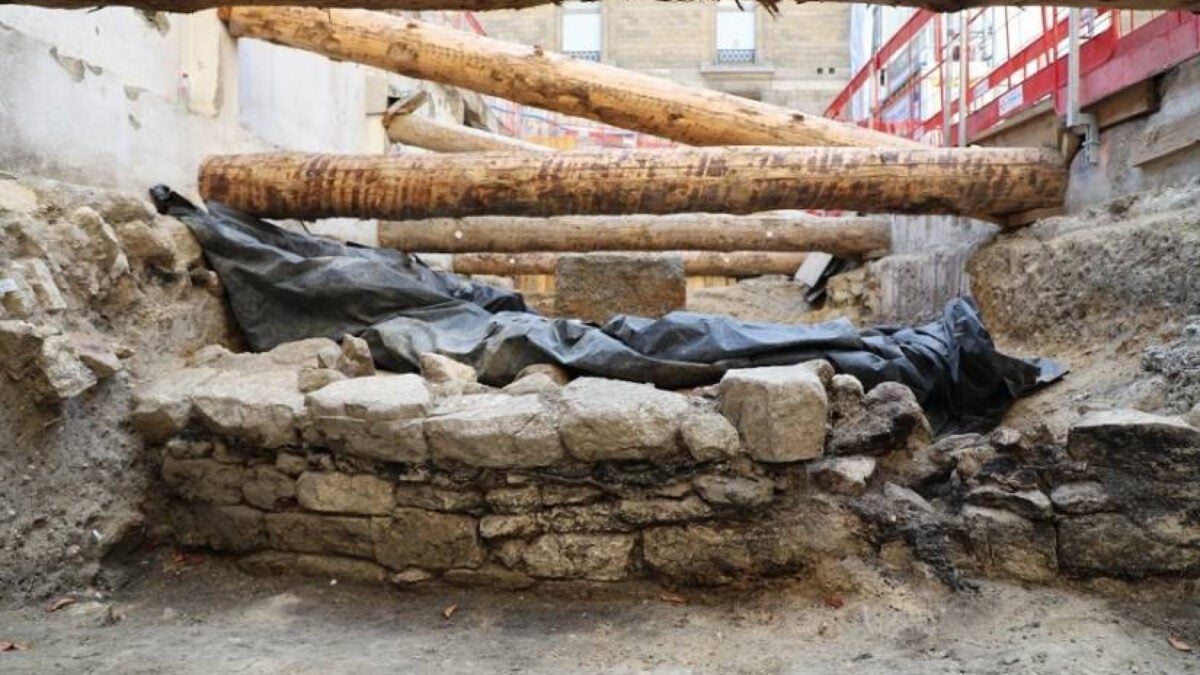
Burned wall in Paris may be the first trace of Lutetia
An excavation at the Hôtel-Dieu hospital in central Paris has revealed a 20-metre burned enclosure wall attributed by excavators to Gallic Lutetia — potentially confirming Julius Caesar's account of the city's torching in 52 BCE to stop the Roman advance. Both gizmodo.com and Spanish-language outlets reported the find this week, though archaeologists caution the wall's function and chronology still need confirmation.
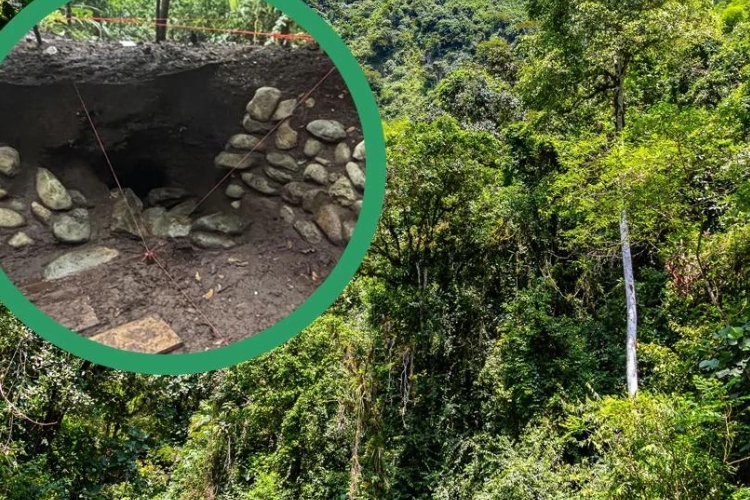
LiDAR maps a vast prehispanic landscape in Ecuador's Chocó Andino
LiDAR surveying has revealed more than 200 mounds and 100 prehispanic terraces across 600 hectares of heavily vegetated terrain in Ecuador's Chocó Andino region, per Diario del Sur — one of the largest single-network LiDAR announcements for the Andes this year. The mapping shows settlement-scale occupation long hidden under jungle canopy and should drive future excavation seasons.
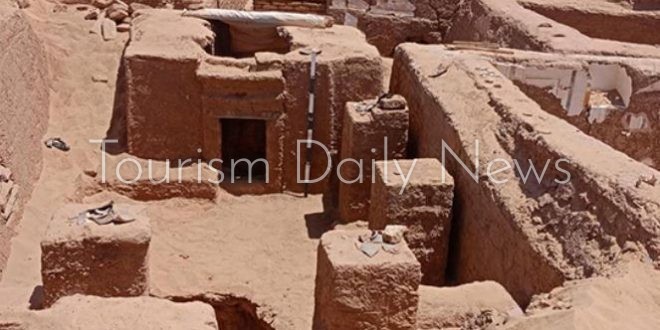
Rare Roman-era pyramid tomb in Egypt's Western Desert
Egypt's Ministry of Tourism and Antiquities announced a rare pyramid-shaped mudbrick tomb of the Roman era at Bir al-Shaghala in Dakhla Oasis, New Valley governorate. It features a unique stone entrance and inscriptions drawn from the Book of the Dead; media coverage this week also mentions a 19-line Greek funerary elegy and a coin bearing Emperor Constantine's image. The find strengthens heritage-tourism promotion of the oases.
Two river dredging finds: Danube Iron Age cargo and a Canadian boy's shipwreck
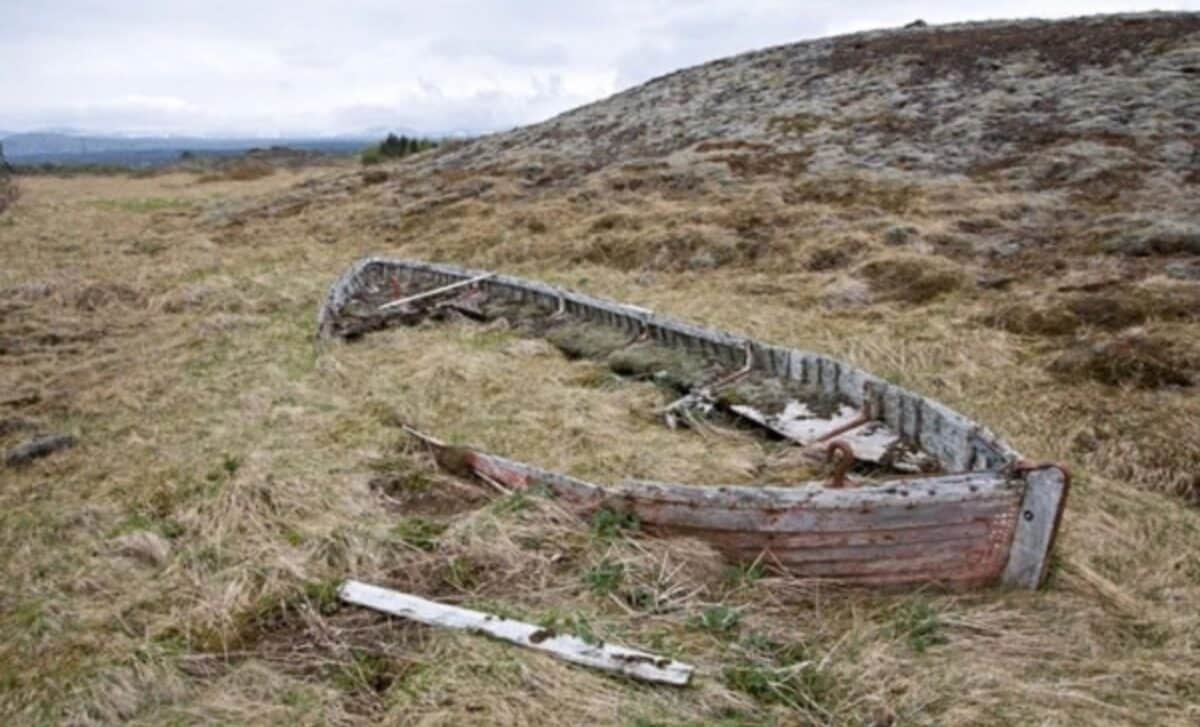
Workers dredging a Danube river found an Iron Age cargo shipwreck whose lost military consignments may have influenced the outcome of a 3rd-century BCE war — reported by Popular Mechanics on 24 September. Separately, an 8-year-old's birthday metal detector produced a single ping that turned into a previously lost shipwreck in a Canadian park, as covered by dailygalaxy.com on 25 September.

Local view
- Turkish outlets: Euronews Türkçe and Arkeofili framed the Göbeklitepe burials as the resolution of the long-running "scattered bones" question — landslide exposure rather than ritual skull cult — while Manşet Haber quoted Culture Minister Mehmet Nuri Ersoy on 8 newly discovered but still unannounced sites in the Taş Tepeler complex, bringing the total to 20.
- Arabic media: Saudi daily Okaz and Gulf Channels both relayed the Ministry of Antiquities' announcement of the pyramid tomb at Bir al-Shaghala, with Okaz framing it as a boost for archaeological tourism.
- Spanish-language outlets: Excélsior (Mexico) and Libertad Digital covered the Paris Lutetia wall as confirmation of Caesar's narrative, while Cronista highlighted a well-preserved 52-metre-diameter Roman theatre being excavated at Singilia Barba (Málaga) and a Second Temple-era bath in Israel lifted out with a 300-ton crane.
Context & numbers
- Göbeklitepe was built in phases between roughly 9600 and 8200 BCE, with T-shaped pillars up to 5.5 metres tall — the new burials date to about 10,000 years ago.
- Ecuador: 200+ mounds, 100+ terraces, 600 hectares — the scale of the Chocó Andino LiDAR survey.
- Paris: a 20-metre burned wall — the first candidate physical trace of Gallic Lutetia beneath the Île de la Cité.
- Luxembourg: a 1,600-year-old Roman hoard valued at €308,000 (~₺17.1 million) includes coins minted in İzmit, Turkey — an Anatolian trace noted by Sabah.
On the radar
- Taş Tepeler: Culture Minister Ersoy says 8 newly discovered sites remain unannounced — expect a government reveal about the Göbeklitepe-related complex. (Officially announced; details pending.)
- Volunteering-led excavations in the Lake District, England, continue on a recently exposed 2,000-year-old Iron Age settlement — a watch item for end-of-season finds reports.
- Rumor watch: Etruscan tomb Tumulo Gsell at Vulci, first opened in 1889 and reported this week by La Brújula Verde with Attic pottery, weapons and a rare female 7th-century BCE "footwear" object, may remain in the news cycle as excavation continues.
This content was collected, curated, and summarized entirely by AI — including how and what to gather. It may contain inaccuracies. Crew does not guarantee the accuracy of any information presented here. Always verify facts on your own before acting on them. Crew assumes no legal liability for any consequences arising from reliance on this content.
Powered by
