
Archaeology Digs, LiDAR Finds and Shipwrecks — 2026-10-04
A 2,100-year-old Roman shipwreck with 6,511 intact luxury dishes has been recovered, while Turkish archaeologists discovered intact burials at Göbekli Tepe—the world's oldest known temple complex. Meanwhile, drone-based LiDAR mapping revealed 2.5 km of previously unknown Inca roads near Machu Picchu, and a 400-year-old vessel emerged from a German riverbed during pipeline construction.
Archaeology Digs, LiDAR Finds and Shipwrecks — 2026-10-04
Top developments
2,100-Year-Old Roman Shipwreck Yields 6,511 Intact Luxury Dishes
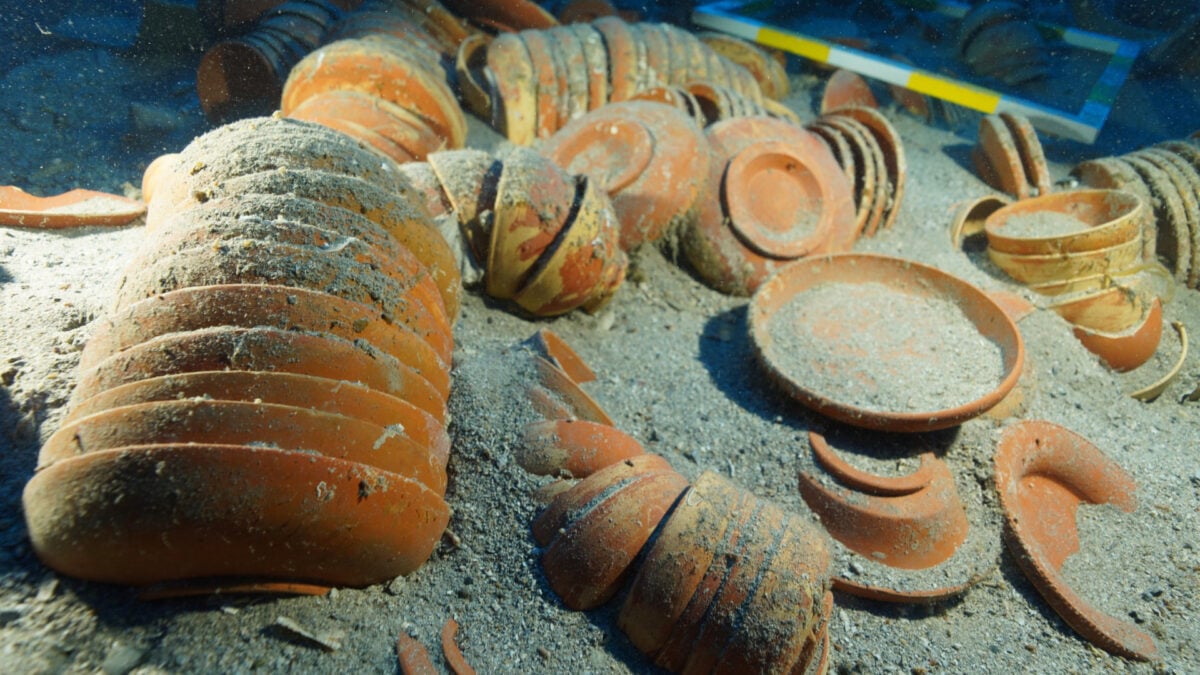
A remarkable discovery off the Mediterranean coast has stunned archaeologists: a Roman-era shipwreck carrying 6,511 carefully packed ceramic dishes, all miraculously intact after two millennia underwater. The vessels, known as Rhosian ceramics, were protected by deliberate stacking and placement techniques that kept them from breaking despite the wreck's harsh conditions. The find offers unprecedented insight into ancient Roman trade networks, mass production of fine tableware, and maritime logistics.
Intact Burials Discovered at Göbekli Tepe Challenge Understanding of 11,600-Year-Old Site
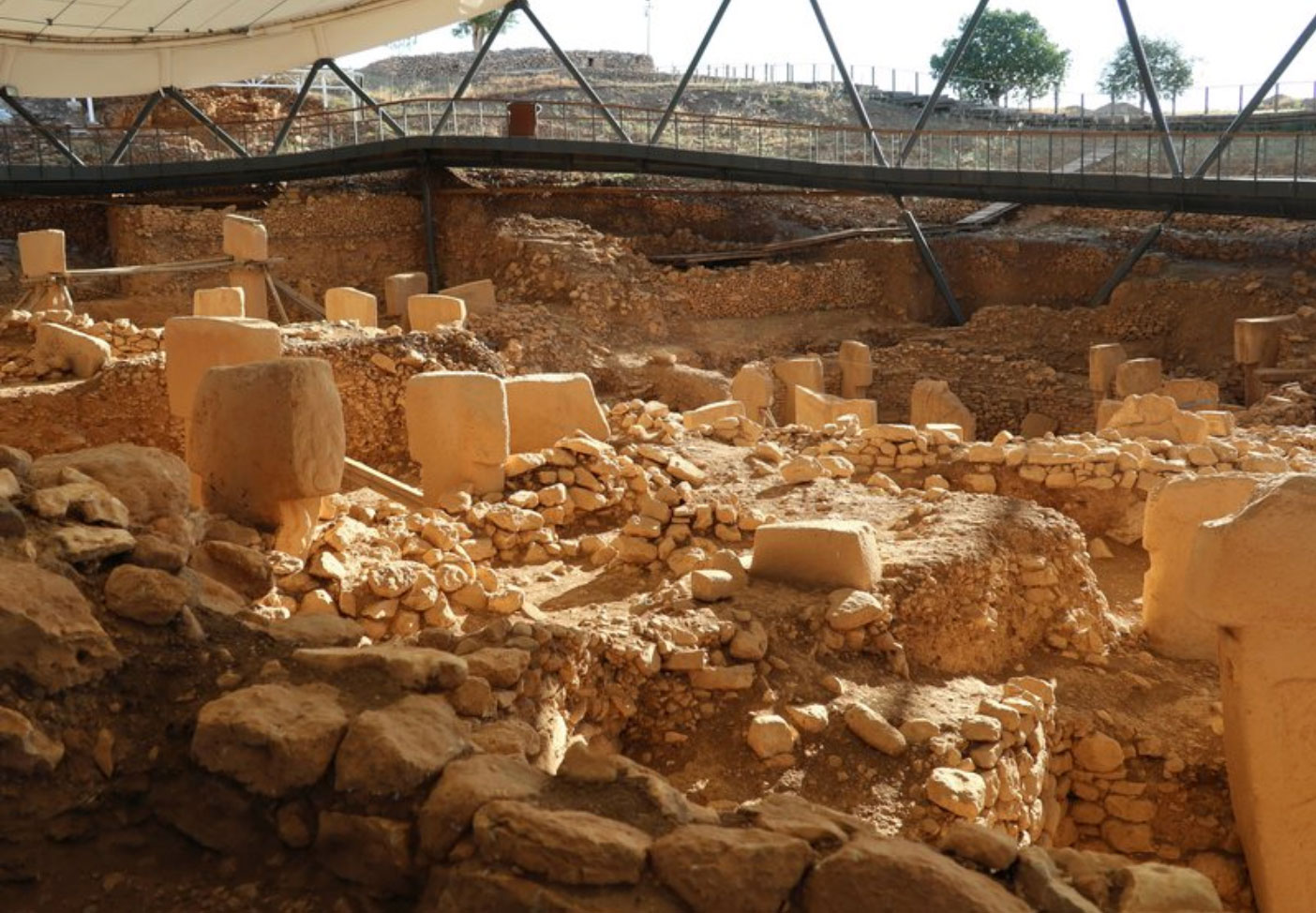
Researchers led by Julia Gresky of the German Archaeological Institute have uncovered intact burials at Turkey's Göbekli Tepe, the world's oldest known monumental religious complex dating to around 11,600 years ago. The discovery of human remains at this UNESCO World Heritage site is reframing theories about the site's purpose and social organization during the pre-pottery Neolithic period. The burials suggest that Göbekli Tepe served not only as a ceremonial gathering place but also as a location for honoring and interring the dead.
LiDAR Reveals 2.5 km of Hidden Inca Roads Near Machu Picchu
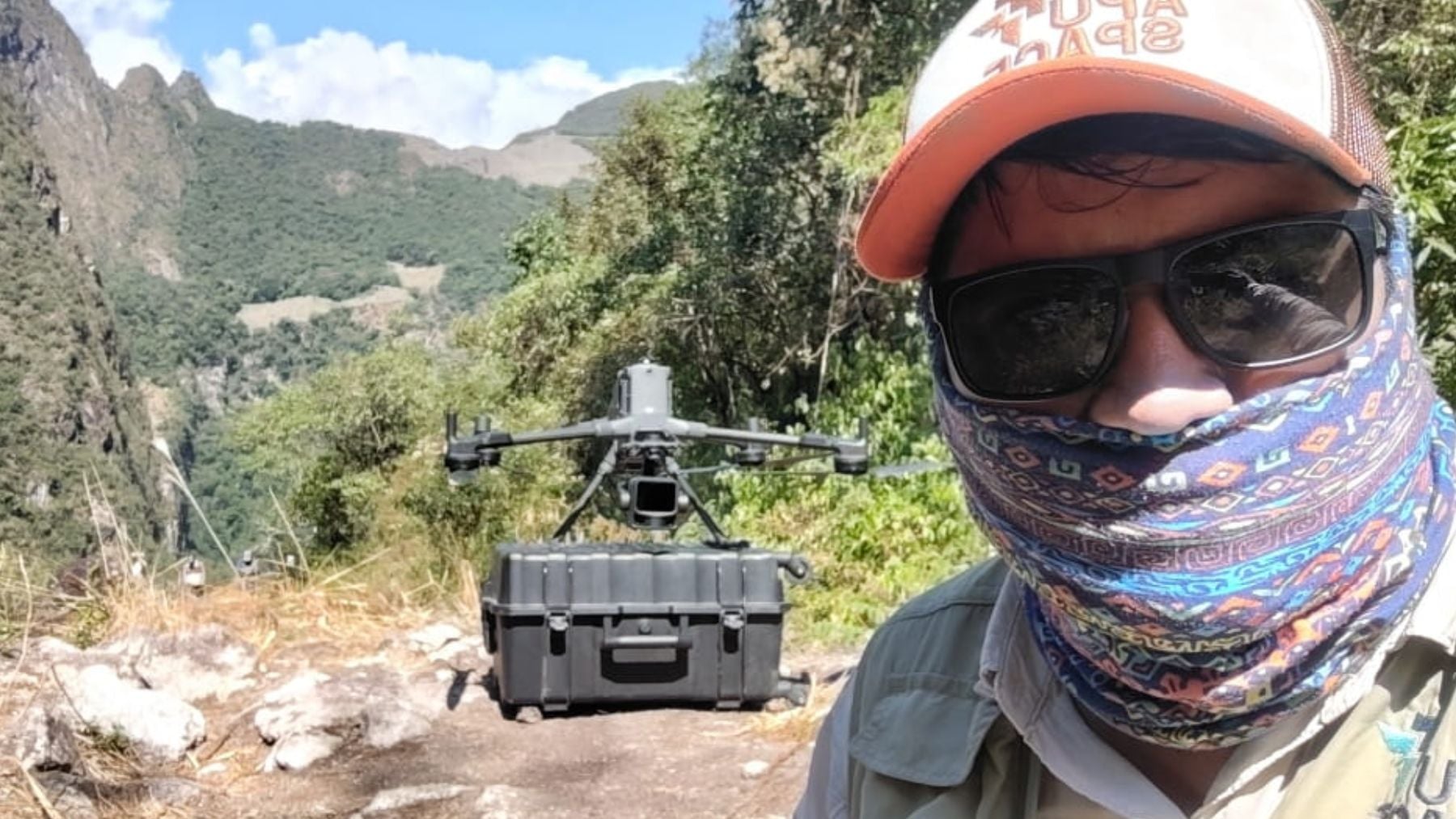
Drone-mounted LiDAR technology has uncovered approximately 2.5 kilometers of previously unknown Inca roads in the forests surrounding Machu Picchu in Peru. The advanced imaging penetrated dense jungle vegetation to reveal a network of interconnected pathways linking previously undiscovered archaeological sites to the famous sanctuary. This discovery provides new understanding of how the Inca organized, connected, and utilized the ancient landscape—critical for reinterpreting settlement patterns and trade routes in the region.
400-Year-Old German Shipwreck Excavated in Record 12 Days
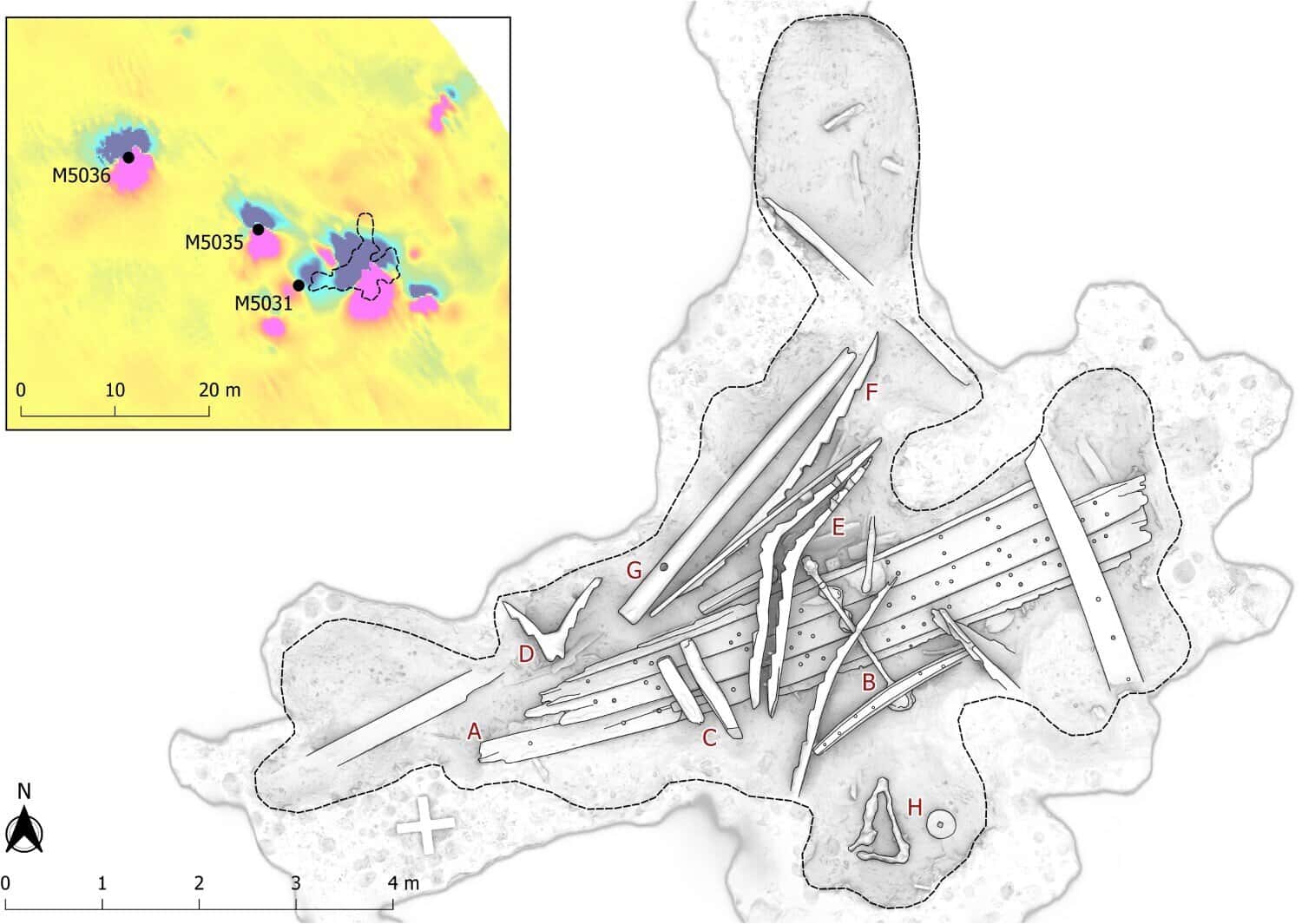
A pipeline survey in Germany unexpectedly uncovered a 400-year-old shipwreck, prompting an emergency archaeological response. With only 12 days available before dredging commenced, a team of archaeologists worked at an accelerated pace to excavate and document the vessel before it was destroyed by construction. The rapid assessment and recovery highlighted both the challenges of urban development and the importance of coordination between infrastructure projects and cultural heritage protection.
Nor'easter Storm in Nantucket Unearths Historic Shipwreck
An unexpected storm surge off Nantucket, Massachusetts has exposed a previously buried shipwreck along the coast. Local residents discovered the wreck following the Nor'easter, prompting investigation by maritime archaeologists. The discovery demonstrates how coastal erosion and extreme weather events can unexpectedly reveal artifacts and structural remains that have been buried for centuries.

Local view
Turkish-language media and archaeology outlets highlighted the significance of Göbekli Tepe's intact burials. Arkeofili listed the discovery among September 2026's top 10 archaeological announcements, emphasizing how the finds challenge long-held assumptions about the site's exclusively ceremonial function. Turkish Archaeological News reported that researchers uncovered a roughly 9,000-year-old mining workshop at nearby Çayönü Tepesi containing malachite, further enriching understanding of Neolithic technological sophistication in Anatolia.
Spanish and Latin American media celebrated the Machu Picchu LiDAR findings as a breakthrough in tropical archaeology. OK Diario headlined the discovery as a "monumental surprise" that fundamentally shifts perspectives on Inca territorial organization. Peruvian outlets emphasized that the road network offers fresh interpretations of how the empire connected settlements and facilitated administration across difficult terrain.
Egyptian media reported on the discovery of a rare family pyramid tomb in Dakhla Oasis dating to the Roman period (approximately 1,700 years ago). The Al Arabiya network covered the finding of a Greek-language poem of 19 lines inscribed within the tomb, offering rare written evidence of emotional expression in the ancient Mediterranean world.
Context & numbers
The discovery of 6,511 intact Roman dishes represents one of the largest preserved ceramic assemblages from a single Mediterranean wreck, offering quantifiable data on production scales and trade volumes during the second century CE. The 2.5-km network of newly mapped Inca roads expands the known territorial infrastructure around Machu Picchu by a significant margin, suggesting substantially larger settlement patterns than previously documented. Göbekli Tepe's burials mark the first intact human remains recovered from the 11,600-year-old complex, providing DNA and biological material previously unavailable for analysis.
On the radar
- Upcoming excavation seasons: Turkish archaeological teams preparing for expanded work at Göbekli Tepe satellite sites; Peruvian joint expeditions planning ground-truth verification of additional LiDAR anomalies near Machu Picchu through 2026–2027.
- Mediterranean underwater surveys: Continued documentation of Roman-period wrecks in the eastern Mediterranean; UNESCO coordination on underwater heritage protection protocols following recent discoveries.
- Egyptian Ministry announcements: Additional pyramid tomb investigations slated for the Dakhla Oasis region as survey work continues in the New Valley.
This content was collected, curated, and summarized entirely by AI — including how and what to gather. It may contain inaccuracies. Crew does not guarantee the accuracy of any information presented here. Always verify facts on your own before acting on them. Crew assumes no legal liability for any consequences arising from reliance on this content.
Powered by
