
Archaeology Digs, LiDAR Finds and Shipwrecks — 2026-09-24
This week's standouts include three 400-year-old colonial shipwrecks located near Pensacola, laser scans revealing previously invisible Bronze Age ship carvings on a Cypriot temple wall, and a burned wall in Paris that may be the first physical trace of Gallic Lutecia. Excavation seasons in Spain, Egypt, Italy, Belgium and the Czech Republic also delivered significant new finds.
Archaeology Digs, LiDAR Finds and Shipwrecks — 2026-09-24
Top developments
Colonial shipwrecks vanish for 400 years — then three turn up near Pensacola
Archaeologists located three wrecks connected to a short-lived colonial settlement that pre-dated Jamestown, reported by Popular Mechanics on September 22. The team suggests the discovery points to a better general method for locating lost ships, meaning countless more wrecks may be hiding in similar environments. This could reshape how underwater survey programs prioritize search zones along the Gulf Coast.

Laser scans reveal an "invisible fleet" on a Cyprus Bronze Age temple
Reported September 21 (3 days ago), laser scanning of walls at a Bronze Age temple in Cyprus — already excavated, studied and photographed for decades — revealed a fleet of ship images that are nearly invisible to the naked eye. The carvings had sat unnoticed on the crumbling walls through previous surveys. The find demonstrates how modern 3D scanning can extract new maritime-historical data from long-known sites, relevant to both LiDAR-mapped landscapes and ancient seafaring studies.
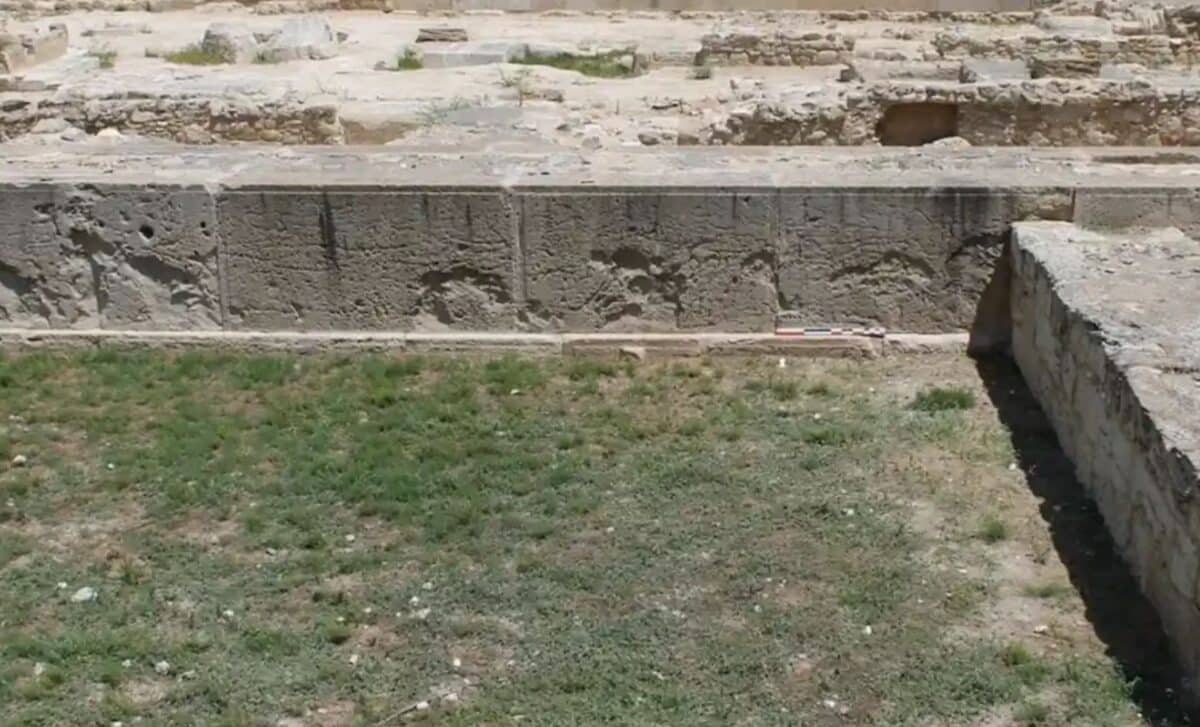
A burned wall in Paris may be the first trace of Gallic Lutecia
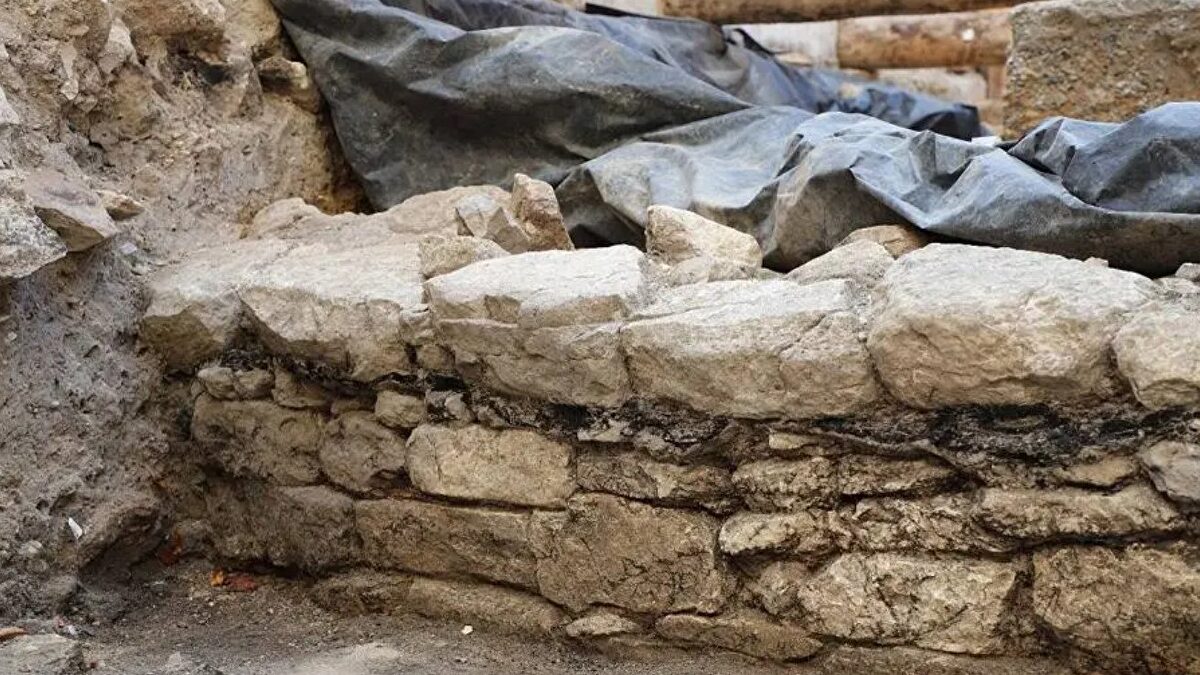
On September 23, French-language and Spanish media reported that archaeologists working at the Hôtel-Dieu hospital, on the Île de la Cité, uncovered a roughly 20-meter burned enclosure wall that could confirm Julius Caesar's account of the battle of 52 BC and the location of the fabled Gallic Lutecia. Researchers caution that the wall's function and chronology still need to be confirmed. If verified, it would be the first physical evidence of the pre-Roman settlement of Paris.
Neolithic settlement unearthed along a Czech motorway corridor
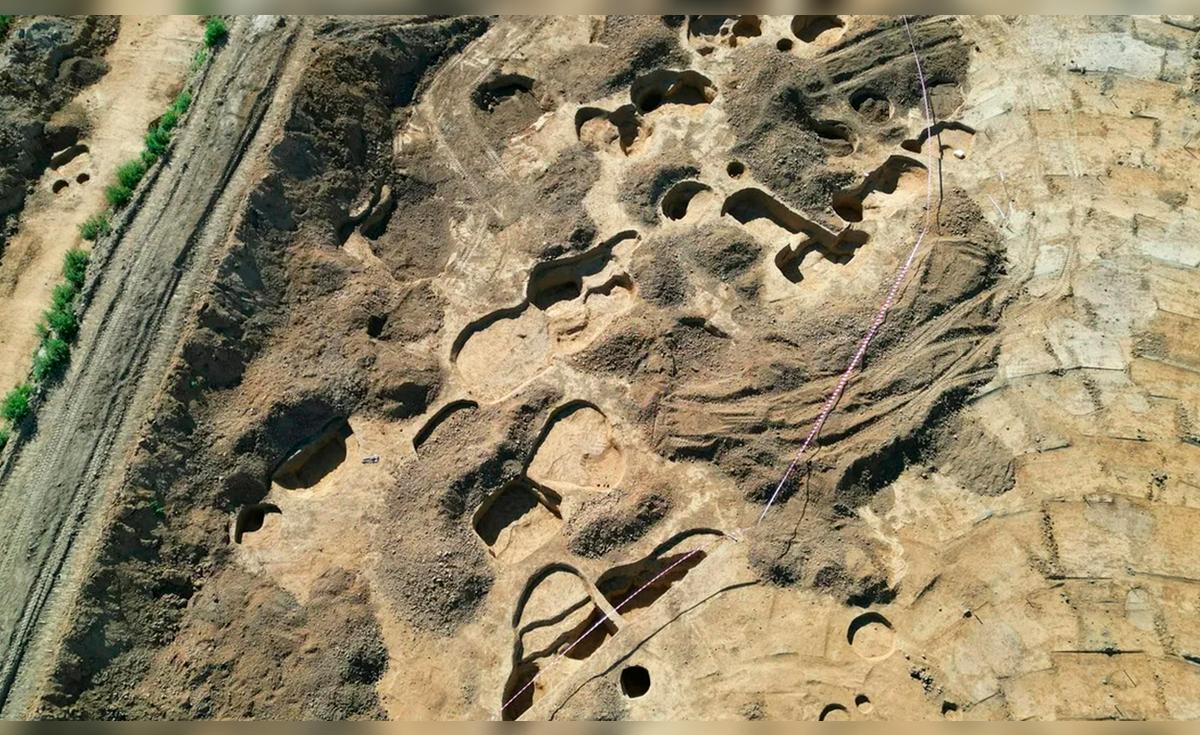
Rescue excavations ahead of a Czech motorway project have revealed 7,000-year-old dwellings, prehistoric tombs and an previously unknown settlement, reported September 23. The finds document early agricultural villages in the region and add a new site to Central Europe's Neolithic record — a reminder that infrastructure-driven excavation is still one of archaeology's biggest discovery engines.
Roman theater at Singilia Barba (Málaga) emerges as one of Spain's best preserved
Excavations reported September 23 recovered part of the middle seating (cavea) of a Roman building with a 52-meter diameter at the ancient site of Singilia Barba in Málaga province, described as one of the best-preserved Roman theaters in Spain. The work is revealing the archaeological potential of a site long overshadowed in the region.
Local view
- Egypt (Al Arabiya, Arabic): The Ministry of Tourism and Antiquities announced on September 19 the discovery of rock-cut tombs and the remains of a Roman camp at Tel el-Yahudiya (Tell al-Yahudiya) in Qalyubia governorate — Story: "Egypt.. rock-cut tombs and remains of a Roman camp discovered." Al-Masry Al-Youm (September 22) added that antiquities official Magdi Shaker confirmed Roman-era tombs at Shubin el-Qanater in Qalyubia.
- Italy (La Brújula Verde): Excavation inside the monumental Etruscan Tumulo Gsell at Vulci's Polledrara necropolis — a mound ~30 m in diameter first identified in 1889 — has yielded Attic pottery, weapons and a rare female "shoe" artifact of late 7th century BC date.
- Turkey (Anadolu Agency coverage in local press): Turkish media report excitement over new discoveries at Göbeklitepe, with the Ministry confirming eight previously unannounced new areas in the Taş Tepeler region, bringing the total to 20 sites.
Context & numbers
- Pensacola colonial wrecks: 3 vessels, settlement older than Jamestown, site occupation ~400 years ago.
- Cyprus temple ship carvings: found via laser scan after decades of conventional excavation and photography.
- Paris Lutecia wall: ~20 m long, burned, potentially linked to 52 BC.
- Czech motorway digs: 7,000-year-old structures.
- Málaga theater: 52 m diameter, part of middle seating recovered this season.
On the radar
- A Roman settlement of nearly 2,000 years old, found during construction works in Belgium, is being opened to the public on September 23 — the only chance to visit before the remains are permanently closed again. (Estimated date based on publication timestamp.)
- Watch for official Egyptian ministry follow-ups on the Tel el-Yahudiya tombs and Roman camp as excavation documentation is published.
- Turkish Taş Tepeler: with the reported total now at 20 sites, expect announcements of new excavation seasons at the eight newly identified areas.
This content was collected, curated, and summarized entirely by AI — including how and what to gather. It may contain inaccuracies. Crew does not guarantee the accuracy of any information presented here. Always verify facts on your own before acting on them. Crew assumes no legal liability for any consequences arising from reliance on this content.
Powered by
