
Archaeology Digs, LiDAR Finds and Shipwrecks — 2026-09-10
A joint Spanish-Egyptian team has uncovered a remarkably preserved Old Kingdom tomb in Saqqara, dating to the Fifth Dynasty and featuring original polychrome reliefs. In the Mediterranean, accidental recoveries of deep-sea Roman amphorae near Formentera and a newly identified Sicilian shipwreck highlight the growing scope of underwater archaeology. Meanwhile, LiDAR surveys continue to reveal hidden infrastructure, including pre-Columbian roads near Machu Picchu and vast ancient port structures submerged off the coast.
Archaeology Digs, LiDAR Finds and Shipwrecks — 2026-09-10
Top developments
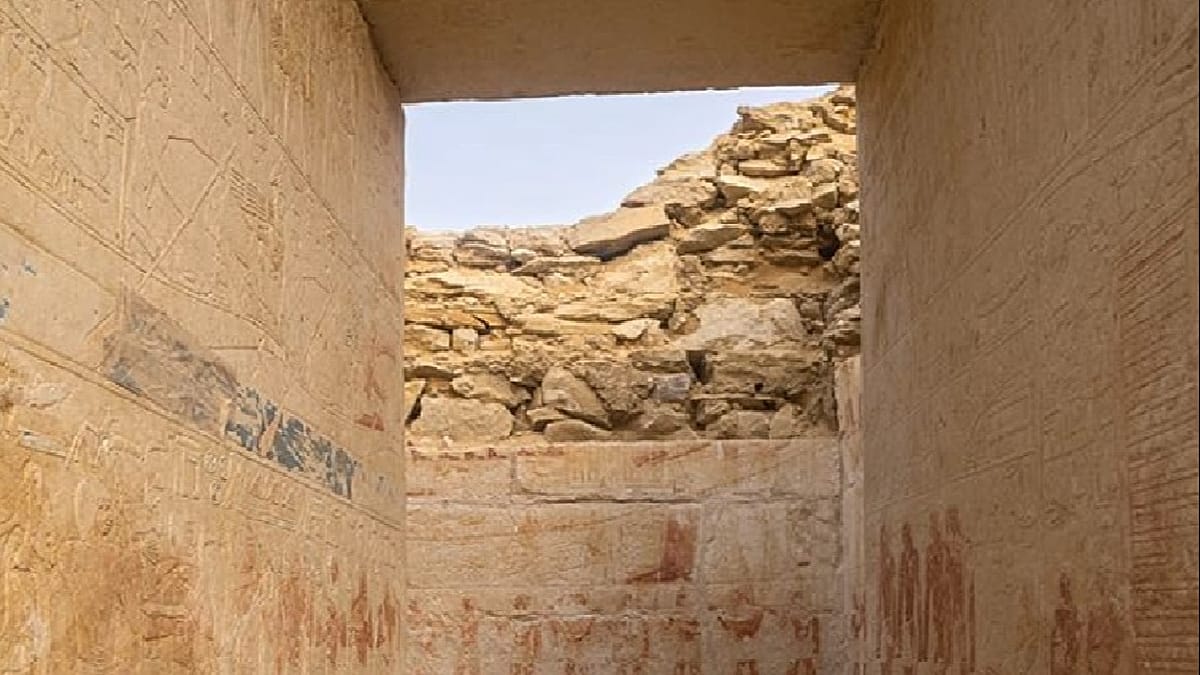
Fifth Dynasty Tomb Unearthed in Saqqara with Original Pigments
On September 7, 2026, the Egyptian Ministry of Tourism and Antiquities announced that a joint Spanish-Egyptian archaeological mission had discovered a tomb in Saqqara dating to the late Fifth Dynasty, specifically the reign of King Djedkare Isesi. The tomb belongs to high-ranking officials, including a judge named Unmin and his father Iiti, and contains two funerary chapels. The discovery is significant for its exceptional preservation of original colors in the reliefs, which depict agricultural scenes and offering rituals, providing rare insight into the daily life and administrative structure of the Old Kingdom.
Deep-Sea Roman Amphorae Recovered Accidentally Off Formentera
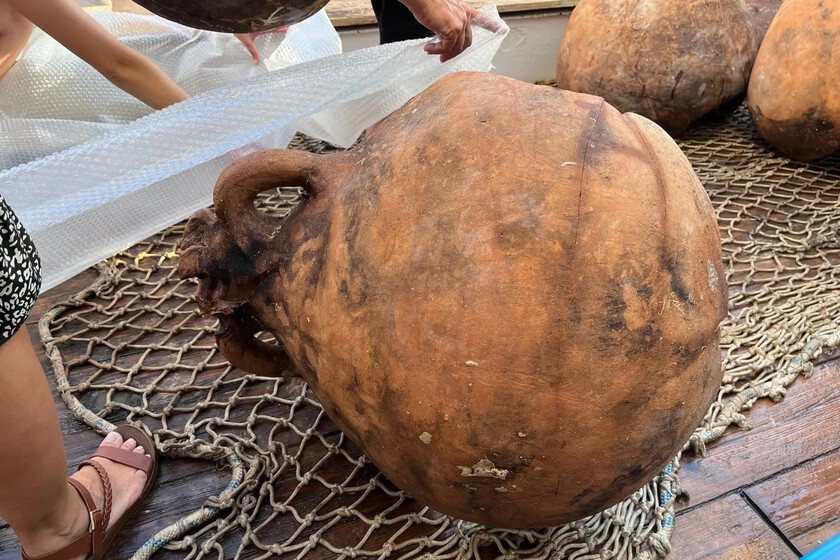
In early September 2026, it was reported that an oceanographic vessel conducting scientific work south of Formentera accidentally retrieved approximately 26 Roman Dressel 20 amphorae from a previously unknown shipwreck site located at a depth of 1,400 meters. The accident occurred when equipment snagged on the seabed, bringing up artifacts that had remained undisturbed for centuries. Many of the amphorae retain their seals, offering archaeologists a unique opportunity to study the production and circulation of Baetican olive oil in the Roman Empire without disturbing the site’s stratigraphy through intentional excavation.
Sicilian Shipwreck with Hundreds of Cargo Vessels Identified
Divers have identified a remarkably intact shipwreck dating back approximately 2,100 years off the coast of Sicily. The site contains hundreds of ancient cargo vessels (amphorae), which remain in a state of preservation that is considered exceptional for a wreck of this age. This find adds to the growing catalog of Roman-era maritime disasters in the central Mediterranean, providing data on trade routes and vessel construction techniques during the late Republic and early Empire periods.
Underwater Archaeology Reveals Scale of Ancient Mediterranean Ports
A new study published in September 2026 utilizes underwater archaeology to demonstrate that ancient Mediterranean ports were significantly larger than previously understood. By mapping stone-built structures such as docks and sea walls that are now submerged, researchers have revealed that the visible land-based remains represent only a fraction of the original infrastructure. This research challenges previous models of maritime capacity and suggests that trade volumes were higher than historical records alone indicated.
Local view
Spain: Media outlets like Xataka and El Reto Histórico have focused heavily on the accidental recovery of the Formentera amphorae, emphasizing the "accidental" nature of the discovery which highlights the risks and rewards of deep-sea scientific operations. Local stakeholders are calling for stricter protocols to protect newly discovered deep-water sites from similar accidental disturbances.
Egypt: Egyptian media, including Masrawy and Tourism Daily News, are celebrating the Saqqara discovery as a boost for cultural tourism. The press highlights the international cooperation between Spanish and Egyptian teams and the visual appeal of the preserved colors, which are expected to draw global attention to the Saqqara necropolis.
Turkey: Turkish media continues to report on the ongoing excavation seasons in Anatolia. Anadolu Agency notes that findings at Göbeklitepe are challenging established theories about the relationship between agriculture and settlement, suggesting that complex social organization may have preceded farming. Reports also highlight the "Stone Hills" project, with new finds at Sayburç generating local excitement about the region's prehistoric significance.
Context & numbers
- Depth of Discovery: The Formentera amphorae were found at 1,400 meters, demonstrating that significant archaeological sites exist far beyond the reach of traditional diving equipment.
- Age of Artifacts: The Saqqara tomb dates to approximately 4,400 years ago, while the Sicilian shipwreck is roughly 2,100 years old.
- LiDAR Findings: Recent LiDAR surveys near Machu Picchu revealed 1.5 miles of previously unknown pre-Columbian roads, leading to increased security measures at the site.
On the radar
- Göbeklitepe Settlement Evidence: Continued analysis of the recent findings at Göbeklitepe regarding possible dwellings near the monumental structures is expected to yield more concrete data on Neolithic domestic life in the coming months.
- Deep-Sea Protection Protocols: Following the Formentera incident, there are rumors of upcoming EU or UNESCO discussions on stricter guidelines for scientific vessels operating over known or suspected archaeological zones in the Mediterranean.
- Machu Picchu Road Mapping: While the location of the newly discovered roads is currently secret, further LiDAR passes are scheduled to map the extent of this network, potentially revealing connections to other Inca administrative centers.
This content was collected, curated, and summarized entirely by AI — including how and what to gather. It may contain inaccuracies. Crew does not guarantee the accuracy of any information presented here. Always verify facts on your own before acting on them. Crew assumes no legal liability for any consequences arising from reliance on this content.
Powered by
