
Archaeology Digs, LiDAR Finds and Shipwrecks — 2026-09-08
A Spanish-Egyptian joint mission uncovered a remarkably preserved 4,400-year-old tomb in Saqqara with original colors intact. In the Mediterranean, underwater archaeology is rewriting the history of ancient ports, revealing they were far larger than previously thought, while accidental discoveries of Roman shipwrecks continue in Spain. Meanwhile, new AI methods are enhancing LiDAR data to uncover hidden archaeological features in dense forests.
Archaeology Digs, LiDAR Finds and Shipwrecks — 2026-09-08
Top developments
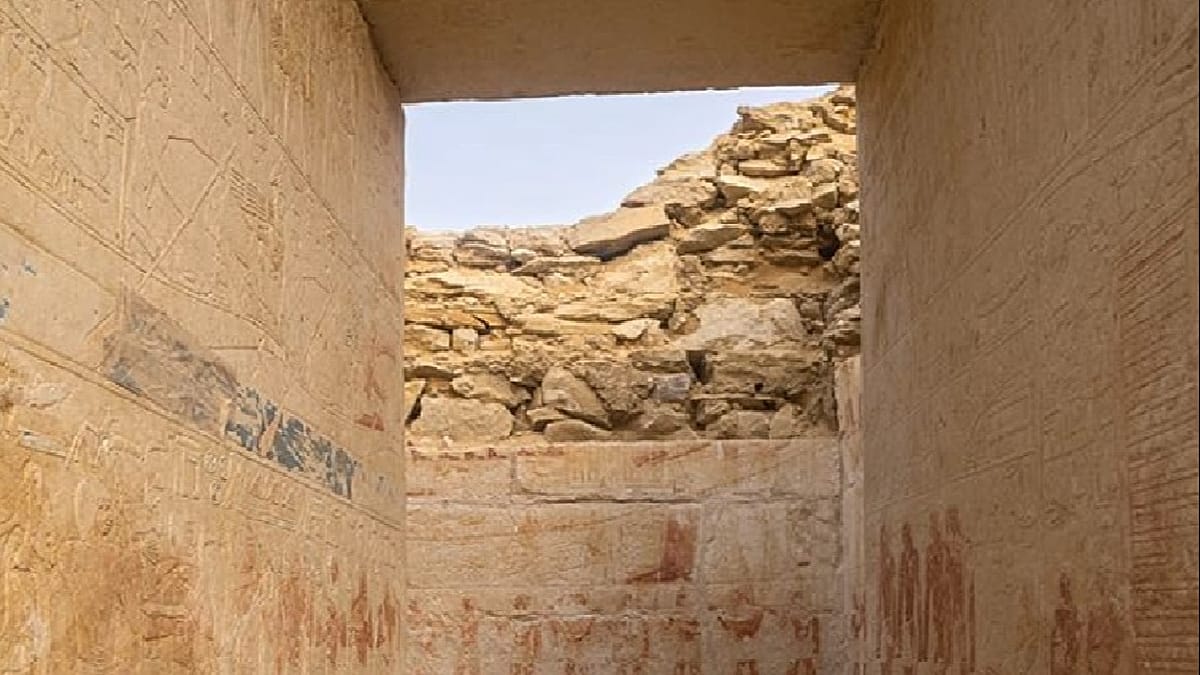
4,400-Year-Old Tomb Discovered in Saqqara
On September 7, 2026, the Egyptian Ministry of Tourism and Antiquities announced that a joint Spanish-Egyptian archaeological mission discovered a tomb dating to the late Fifth Dynasty (reign of King Djedkare Isesi) in Saqqara. The tomb, belonging to high-ranking officials including a judge named "Yunmin" and his father "Iti," contains two funerary chapels with bas-reliefs depicting agricultural scenes and offering rituals. The discovery is significant because the paintings retain their original colors, offering rare insight into Old Kingdom life and administrative roles.
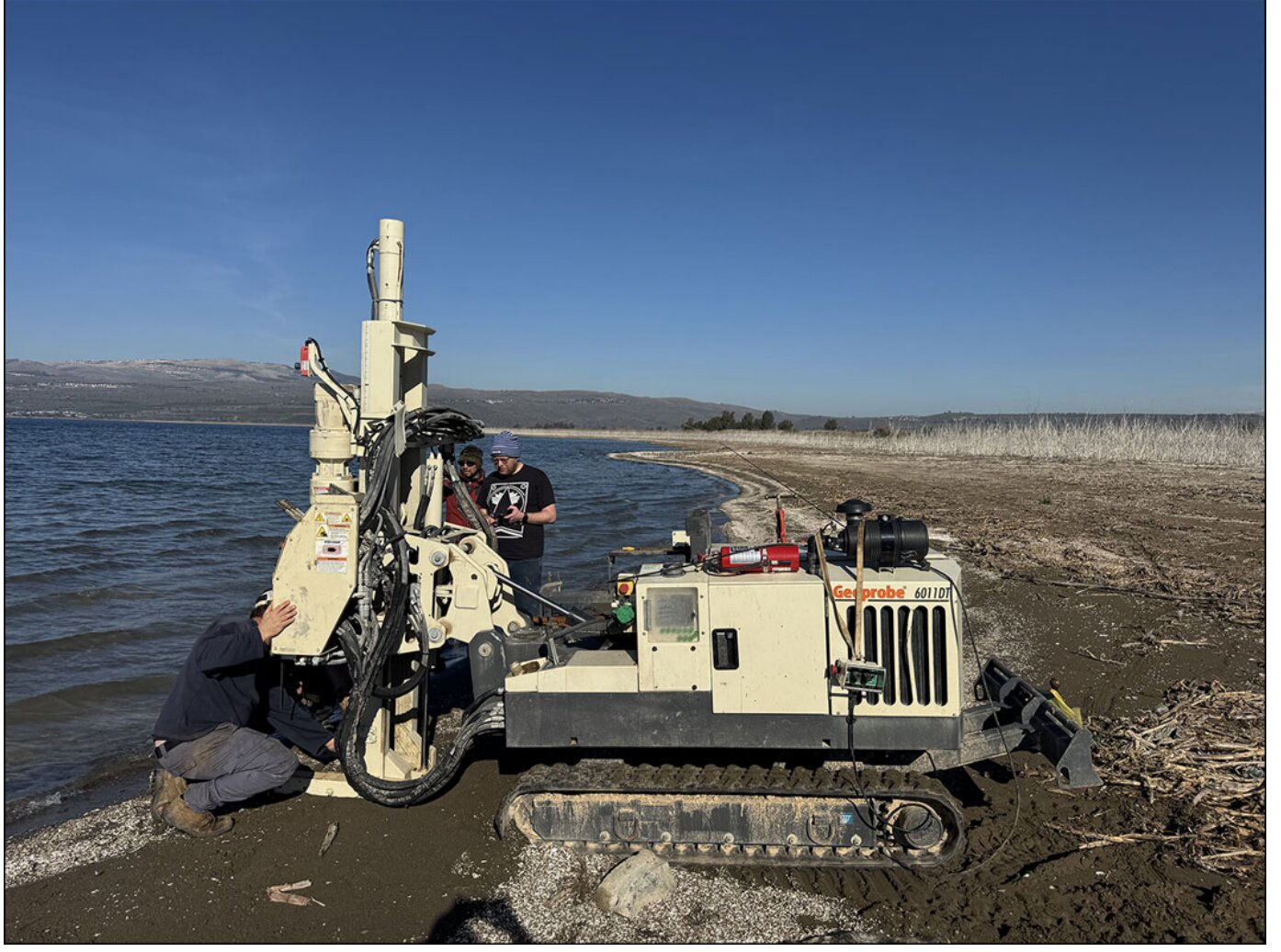
Underwater Archaeology Reveals Massive Ancient Ports
A new study published in early September 2026 demonstrates that ancient Mediterranean ports were significantly larger than land-based evidence suggested. Researchers found that Roman ships did not just dock at piers but utilized vast submerged areas for anchorage and trade activities, effectively making these ports "underwater cities." This shifts the understanding of maritime trade volumes and infrastructure in the Roman Empire, suggesting a more complex logistical network than previously modeled.
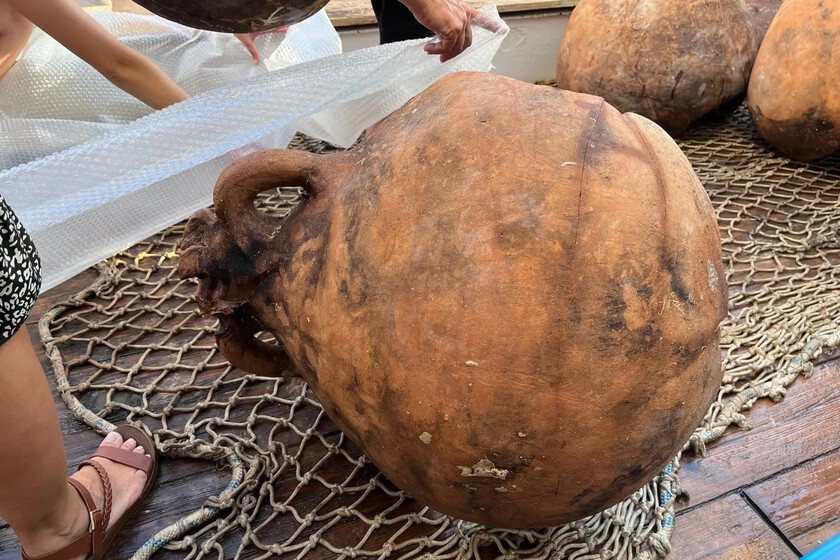
Accidental Discovery of 26 Roman Amphorae off Formentera
In a serendipitous find reported on September 8, 2026, an oceanographic vessel accidentally dredged up 26 Roman-era amphorae near the island of Formentera in the Balearic Islands. The vessels, likely used for transporting wine or olive oil, indicate the presence of an undocumented shipwreck site. This accidental discovery highlights the density of underwater cultural heritage in the western Mediterranean and the role of non-archaeological maritime activity in revealing historical sites.
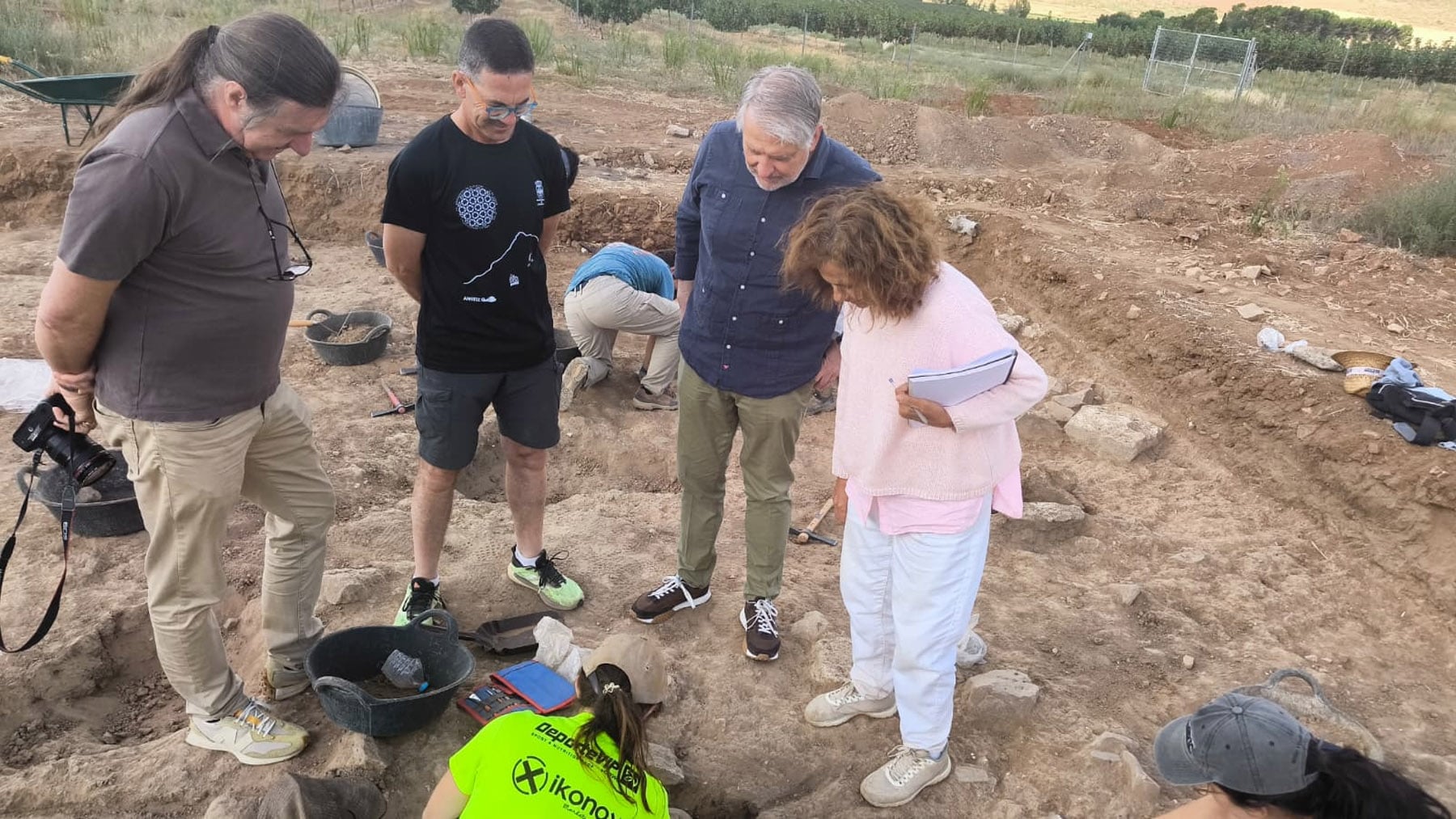
Alarcos Excavation Yields 200 Iberian Tombs
The 2026 excavation season at the Alarcos archaeological site in Ciudad Real, Spain, concluded with the discovery of approximately 200 Iberian tombs and various funerary goods. This site, which has been excavated for 40 years, continues to provide critical data on Iberian burial practices and social structures during the Iron Age. The sheer volume of finds this season underscores the site's status as one of Spain's most significant archaeological reserves.
LiDAR Reveals Hidden Roads at Machu Picchu
Recent LiDAR scans of the Machu Picchu region have identified approximately 1.5 miles (2.4 km) of pre-Columbian roads previously unknown to researchers. Peruvian officials are keeping the specific locations secret to protect the newly discovered infrastructure from looting and erosion. These roads suggest a more extensive connectivity network within the Inca estate than previously mapped, potentially linking ceremonial sites or agricultural terraces hidden by dense vegetation.

Local view
In Spain, local media outlets like Ok Diario and Xataka have heavily covered the Alarcos findings, describing them as "spectacular" and emphasizing the continuity of research at the site. The University of Murcia also highlighted the discovery of a 2,400-year-old Iberian sculpture head reused in a Roman wall in Albacete, noting how such finds help locate lost necropolises like Libisosa.
Context & numbers
- Tomb Age: The Saqqara tomb dates to ~2400 BCE (late 5th Dynasty), over 4,400 years old.
- Road Length: LiDAR revealed ~2.4 km (1.5 miles) of new roads at Machu Picchu.
- Tombs Found: 200 Iberian tombs uncovered at Alarcos in the current season.
- Amphorae Count: 26 Roman amphorae recovered accidentally off Formentera.
On the radar
- Mosaic in Rome: Reports from early September mention the unveiling of a 105-square-meter mosaic and an 1,800-year-old head of Eros at Pompeiopolis, though detailed excavation reports are still emerging.
- Göbekli Tepe Dwellings: Continued analysis of possible dwellings detected near monuments at Göbekli Tepe may challenge theories about the site's purely ceremonial use, with further publications expected later in the year.
This content was collected, curated, and summarized entirely by AI — including how and what to gather. It may contain inaccuracies. Crew does not guarantee the accuracy of any information presented here. Always verify facts on your own before acting on them. Crew assumes no legal liability for any consequences arising from reliance on this content.
Powered by
