
Archaeology Digs, LiDAR Finds and Shipwrecks — 2026-10-17
Archaeologists in Turkey have announced the discovery of a shipwreck dating back 4,700 years, potentially making it the oldest known wreck in the world. In Egypt, a farmer’s accidental find led to the excavation of colossal statues of Ramses II, resulting in official government honors. Meanwhile, Spanish heritage teams are deploying advanced drone technology to document archaeological sites.
Archaeology Digs, LiDAR Finds and Shipwrecks — 2026-10-17
Top developments
Oldest Shipwreck Discovered in Turkey
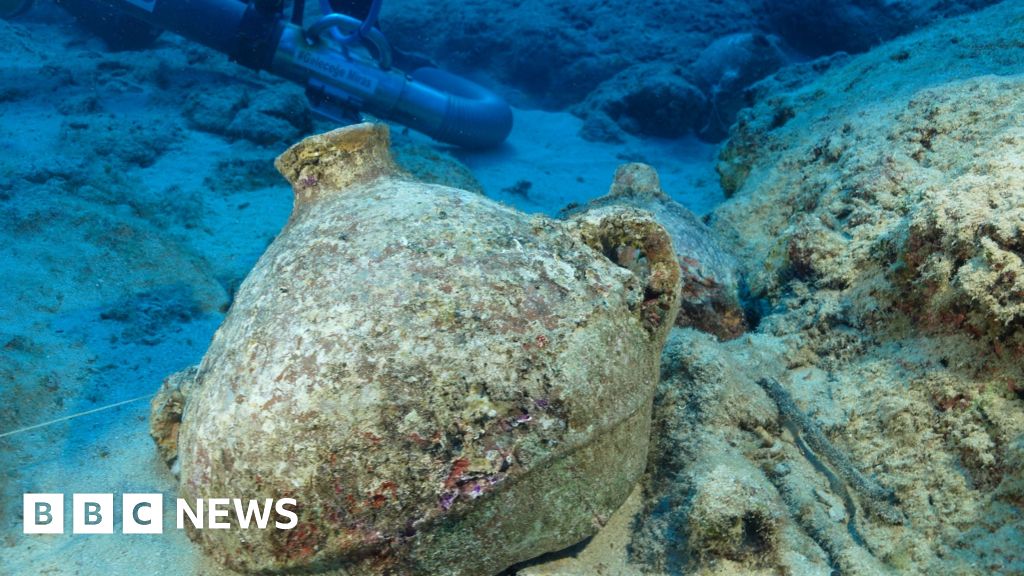
Archaeologists announced on October 14, 2026, the discovery of a Bronze Age shipwreck off the coast of Kekova Island in Antalya, Turkey. The wreck is dated between 4,400 and 4,700 years old, predating the previous record-holder found off Dokos, Greece (approx. 4,200 years old). The vessel contained intact ceramic storage jars (amphorae) with black residue inside, described by researchers as a "time capsule at the bottom of the sea." The recovered artifacts are scheduled for display at the new Mediterranean Underwater Archaeology Museum in Antalya.
Colossal Ramses II Statues Found in Egypt
On October 14, 2026, Egyptian authorities confirmed the discovery of two colossal royal statues, including one of Ramses II, in the village of Bahbit al-Hijara in the Gharbia Governorate. The find was initiated by local farmer Khaled El-Shahat Khalil, who reported a stone block with inscriptions found on his agricultural land. Excavations by the Supreme Council of Antiquities uncovered the remains of the statues and a granite block bearing titles of Ramses II. Minister of Tourism and Antiquities Sherif Fathy honored the farmer with a certificate and an Umrah pilgrimage for him and his wife.

Drone Technology Deployed for Spanish Archaeology
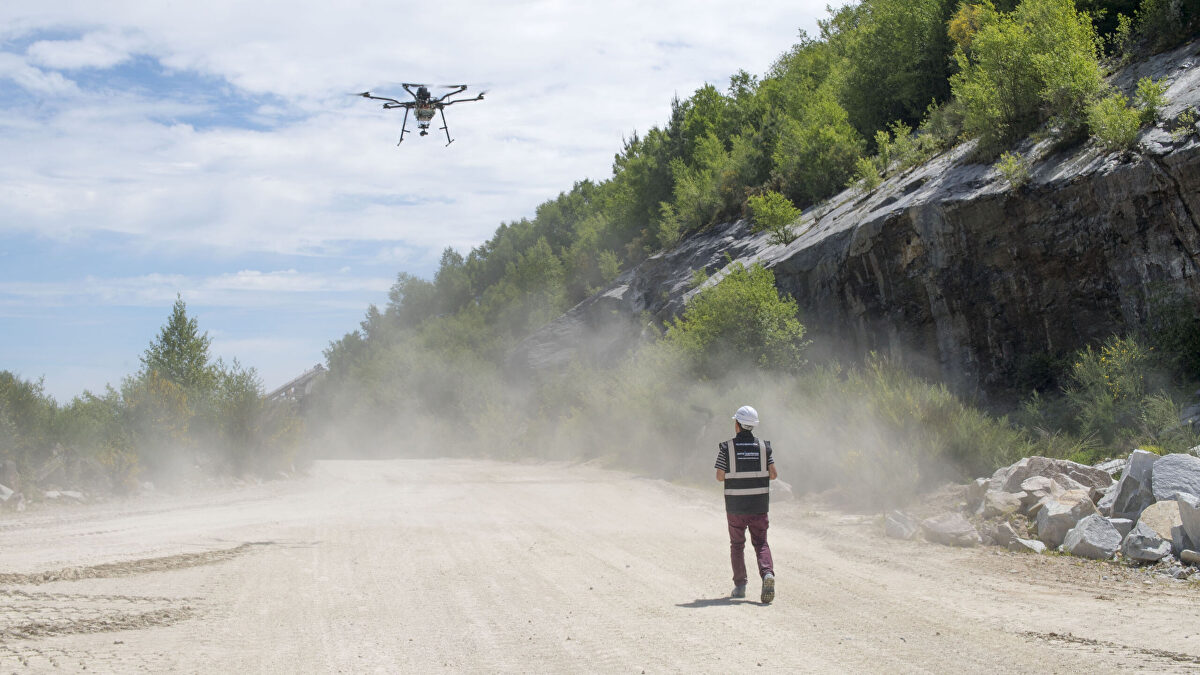
As of October 15, 2026, Spanish heritage authorities have begun using next-generation drones to document archaeological sites across the country. These drones integrate data into Geographic Information Systems (GIS), allowing archaeologists to correlate new findings with historical plans and previous excavation campaigns. This initiative aims to create a comprehensive digital record of Spain's archaeological heritage.
Local view
Turkey (Antalya): Local Turkish media highlighted the global significance of the Kekova discovery, with Haberglobal noting that the find reinforces Anatolia's role as the "cradle of history." The publication emphasized that the wreck's cargo includes dozens of ceramic vessels and stone anchors, providing new insights into Early Bronze Age maritime trade networks.
Egypt (Gharbia): Egyptian outlets such as Al-Masry Al-Youm and Al-Ghad focused on the civic engagement aspect of the Ramses II discovery, celebrating the farmer's honesty. The narrative frames the discovery not just as an archaeological win but as a triumph of citizen cooperation with the Ministry of Tourism and Antiquities, rewarding the individual with both public recognition and religious pilgrimage.
Context & numbers
The newly discovered Turkish shipwreck is estimated to be 4,700 years old, dating to the Early Bronze Age. This age surpasses the previous record holder, the Dokos shipwreck in Greece, which is dated to approximately 4,200 years ago. The discovery includes intact amphorae with residue, indicating direct evidence of early trade goods moving between regions like the Levant, Egypt, and Crete.
On the radar
- Museum Opening: The new Mediterranean Underwater Archaeology Museum in Antalya is expected to open in the coming months, housing the newly discovered Kekova shipwreck artifacts.
- Belitung Shipwreck Soft Power: Recent commentary highlights the Belitung shipwreck as a focal point for heritage sovereignty debates in Southeast Asia, with Indonesia and Singapore negotiating its narrative and potential repatriation aspects.
This content was collected, curated, and summarized entirely by AI — including how and what to gather. It may contain inaccuracies. Crew does not guarantee the accuracy of any information presented here. Always verify facts on your own before acting on them. Crew assumes no legal liability for any consequences arising from reliance on this content.
Powered by
