
Archaeology Digs, LiDAR Finds and Shipwrecks — 2026-09-20
Archaeologists in Peru have uncovered a 2.5-kilometer network of pre-Columbian roads near Machu Picchu using LiDAR, while a 3,300-year-old deep-sea shipwreck with Canaanite amphorae was identified in the Mediterranean. In Egypt, new excavations revealed rock-cut tombs beneath a Roman camp and military structures from the New Kingdom era, reshaping understanding of ancient border defenses.
Archaeology Digs, LiDAR Finds and Shipwrecks — 2026-09-20
Top developments
LiDAR Uncovers 2.5km of Pre-Columbian Roads Near Machu Picchu
Researchers in Peru utilized LiDAR technology to map over 2.5 kilometers of previously unknown pre-Columbian roads hidden under vegetation on Mount Yanantin, near Machu Picchu. This discovery provides new insights into how the ancient Inca landscape was organized and connected, with investigators now seeking to determine if some routes predate the Inca period. The findings highlight the ongoing utility of remote sensing in revealing complex infrastructure in dense tropical environments.

Oldest Deep-Sea Shipwreck Discovered in Mediterranean
A 3,300-year-old shipwreck loaded with Canaanite amphorae has been found nearly two kilometers underwater in the Mediterranean Sea, marking it as the oldest deep-sea shipwreck ever discovered. The pristine condition of the site offers a rare glimpse into ancient maritime trade routes and navigation capabilities during the Late Bronze Age. This discovery challenges previous assumptions about how far offshore ancient mariners traveled and the complexity of their logistics.

Egypt Reveals Rock-Cut Tombs Beneath Roman Camp
The Egyptian Ministry of Tourism and Antiquities announced the discovery of rare rock-cut tombs in Qalyubia Governorate, situated directly beneath the remains of a Roman military camp. The tombs feature distinct architectural styles, providing a stratified view of burial practices spanning different historical periods. Additionally, a separate mission in Beheira Governorate uncovered a New Kingdom-era military facility at Tell al-Abaqeen, shedding light on ancient western border defense strategies.
Göbekli Tepe Area Expands to 20 Sites
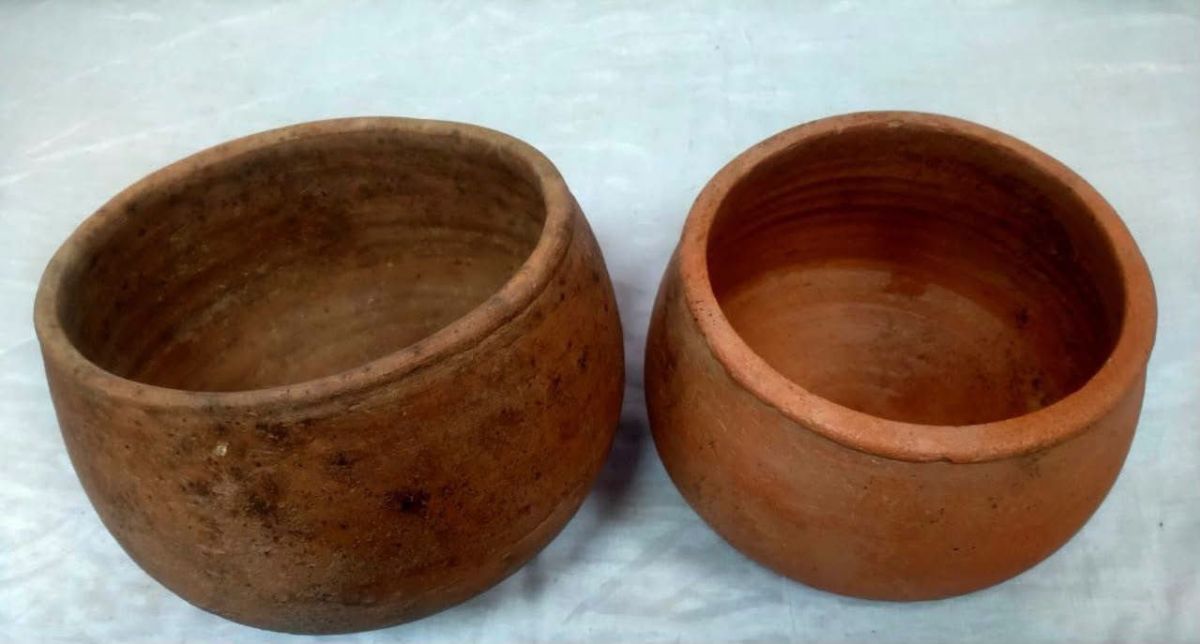
Turkish Minister of Culture and Tourism Mehmet Nuri Ersoy revealed that eight new archaeological areas have been discovered within the "Stone Hills" (Taş Tepeler) region surrounding Göbekli Tepe, bringing the total number of known sites to twenty. These findings reinforce the significance of the region as a cradle of Neolithic civilization, where monumental architecture appears to have preceded settled agriculture. The expansion of the project area underscores the density of early human settlement activity in southeastern Anatolia.

Local view
In Spain, local media reported that a two-thousand-year-old Roman kitchen was unearthed in Sasamón (Burgos) by a team from the University of Salamanca and CSIC. The discovery highlights the daily life and cultural integration between the indigenous Turmoga population and Roman customs.
Peruvian outlets like Infobae and La República are emphasizing how the new LiDAR findings near Machu Picchu are not just about roads, but about understanding the social and logistical organization of the Inca Empire. The coverage suggests these paths may have been used for pilgrimage or administrative purposes rather than just transit.
Context & numbers
The Mediterranean shipwreck lies at a depth of nearly 2 kilometers, preserving cargo that has remained undisturbed for over three millennia. In Turkey, the Taş Tepeler project now encompasses 20 known sites, reflecting an intensive multi-year survey effort. In Alaska, archaeologists are racing against seasonal storms to salvage artifacts from the Quinhagak site, which was damaged by Typhoon Halong last year, highlighting the increasing vulnerability of coastal heritage sites to extreme weather events.
On the radar
- Vecunia Excavation: A major archaeological project aimed at finding the footprint of the ancient Roman settlement of Vecunia is set to begin excavations at the Basilica in Bilbao, Spain, starting mid-October. Local media is framing this as a key project for Bizkaia's historical identity.
- Sinan Shipwreck Deciphering: Researchers continue to analyze medieval inscriptions on cargo from the Sinan shipwreck, including 'Phags-pa script on rosewood, which may clarify Mongol Yuan dynasty trade networks.
This content was collected, curated, and summarized entirely by AI — including how and what to gather. It may contain inaccuracies. Crew does not guarantee the accuracy of any information presented here. Always verify facts on your own before acting on them. Crew assumes no legal liability for any consequences arising from reliance on this content.
Powered by
