
Archaeology Digs, LiDAR Finds and Shipwrecks — 2026-10-24
Recent archaeological breakthroughs include the discovery of a potential 4,700-year-old shipwreck in Turkey, the first musical instrument found in Troya's 160-year excavation history, and LiDAR technology revealing 27 pre-Hispanic monumental plazas in Colombia. Additionally, researchers identified 46,000-year-old Neanderthal DNA in Spain and uncovered a massive Roman necropolis in Málaga.
Archaeology Digs, LiDAR Finds and Shipwrecks — 2026-10-24
Top developments
First Musical Instrument Discovered in Troya Excavations
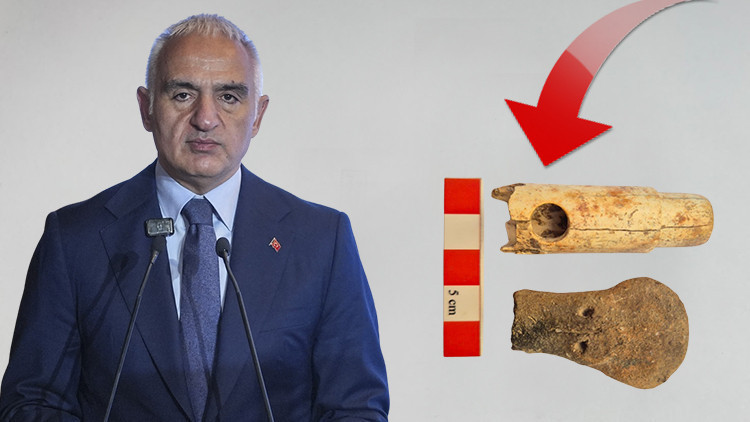
In late October 2026, the Turkish Ministry of Culture and Tourism announced the discovery of a bone flute dating back approximately 2,800 years at the ancient city of Troya. This marks the first time a musical instrument has been unearthed in over 160 years of excavation at the site. The find, part of the "Geleceğe Miras" (Legacy for the Future) project, was accompanied by a 4,500-year-old human-shaped idol head, providing direct archaeological evidence of the city's long-standing cultural and artistic history.
LiDAR Reveals 27 Pre-Hispanic Plazas in Sierra Nevada
Archaeologist Daniel Rodríguez Osorio, in collaboration with local farmers in Nueva Unión, used LiDAR technology to identify 27 monumental pre-Hispanic plazas in the Sierra Nevada de Santa Marta, Colombia. The study, published in late October 2026, documents an extensive network of ancient indigenous settlements in Betoma, challenging previous understandings of territorial organization in the region. The findings suggest complex community structures existed long before colonial contact.

46,000-Year-Old Neanderthal DNA Found in Spain
Scientists identified remarkably preserved hand bone fragments belonging to Neanderthals in the Abauntz cave in Spain. The bones, dated to 46,000 years ago, yielded DNA that offers new insights into the species' genetics and behavior. This discovery, reported in October 2026, represents a significant leap in understanding late Neanderthal populations in the Iberian Peninsula.

Massive Roman Necropolis Uncovered in Málaga
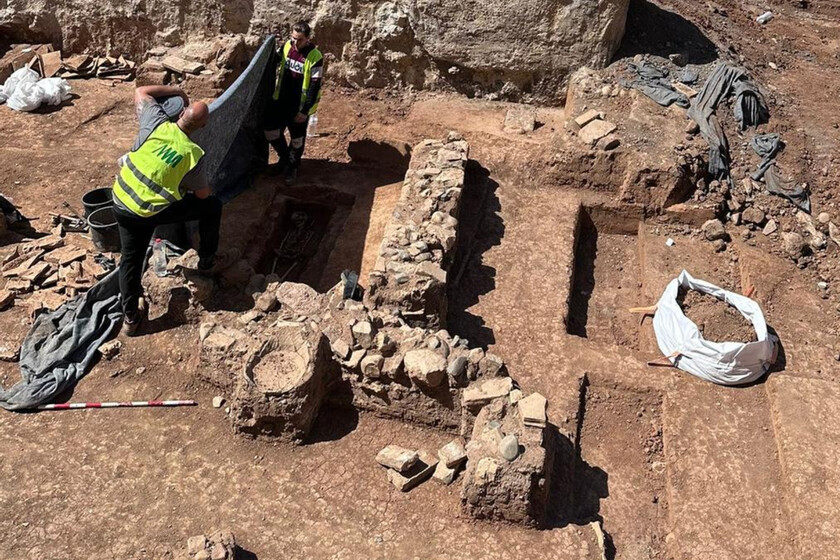
Construction for the Málaga metro expansion has revealed one of Spain's largest Roman necropolises, with over 1,000 buried bodies discovered so far. The findings, reported in October 2026, are occurring as the metro line extends toward the Civil Hospital. The scale of the necropolis highlights the density of Roman habitation in the region and poses new challenges for urban development.
Potential World's Oldest Shipwreck Found in Turkey
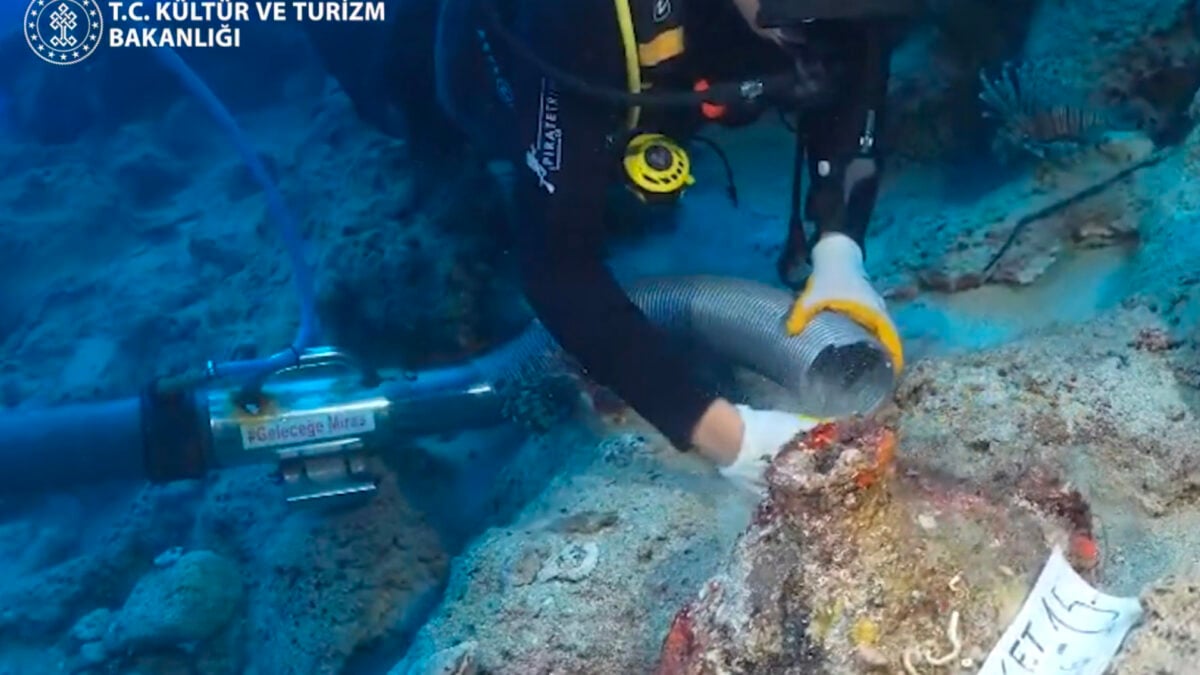
Archaeologists have discovered a shipwreck near Kekova Island in Antalya, Turkey, which may date back 4,700 years to the Early Bronze Age. If confirmed, this would surpass the previous record held by a shipwreck off Dokos, Greece. The vessel contained amphorae with residue inside, described by researchers as a "time capsule at the bottom of the sea." Minister Mehmet Nuri Ersoy stated that recovered artifacts will be displayed in the new Mediterranean Underwater Archaeology Museum in Antalya.
Local view
Turkish media extensively covered the Troya discovery, with outlets like Hürriyet and Yeni Şafak highlighting the significance of finding the first musical instrument in the site's history. Karar noted that the neighboring site of Sayburç, featuring 11,000-year-old reliefs, is gaining international attention, shifting focus from Göbekli Tepe to broader Neolithic discoveries in Şanlıurfa. In Spain, Xataka and Vozpopuli emphasized the impact of infrastructure projects on archaeological preservation, particularly the Málaga metro's disruption of a major Roman burial site.
Context & numbers
- Troya Flute Age: ~2,800 years old
- Troya Idol Head Age: ~4,500 years old
- Málaga Necropolis Bodies: Over 1,000 discovered
- Sierra Nevada Plazas: 27 monumental plazas identified
- Kekova Shipwreck Age: Up to 4,700 years old
- Sayburç Relief Age: ~11,000 years old
On the radar
- Antalya Museum Opening: The new Mediterranean Underwater Archaeology Museum in Antalya is scheduled to open in the coming months, featuring artifacts from the Kekova shipwreck.
- Villa Romana Mosaics: Excavations in Tricio, La Rioja, continue with hopes of uncovering mosaics from a 2,100-year-old Roman villa built atop an earlier burned structure.
- Penguin Hunters Campsite: Researchers from the University of Cadiz are investigating a potential campsite off Patagonia’s coast used by ancient penguin hunters.
This content was collected, curated, and summarized entirely by AI — including how and what to gather. It may contain inaccuracies. Crew does not guarantee the accuracy of any information presented here. Always verify facts on your own before acting on them. Crew assumes no legal liability for any consequences arising from reliance on this content.
Powered by
